


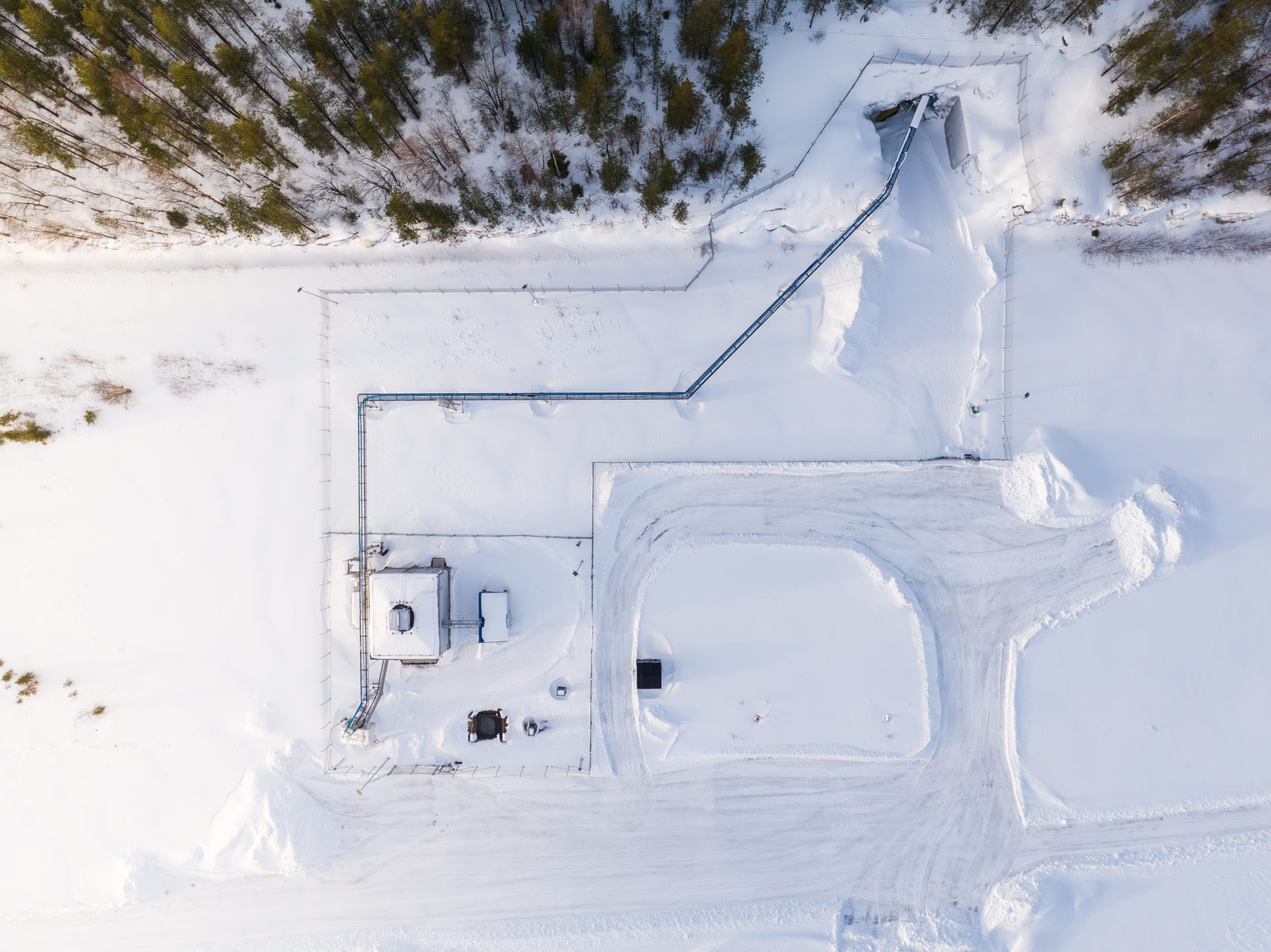

In northern Sweden, the HYBRIT consortium has secured an extension of its temporary building permit for its underground hydrogen storage pilot in Luleå until 2031, allowing continued testing of a technology that early data suggest could cut variable hydrogen production costs by 25 to 40 percent.
The pilot storage facility, located in the Svartöberget rock formation, has been operating intermittently since 2022 alongside HYBRIT’s direct reduced iron pilot plant. The system enables hydrogen to be produced when electricity prices are low and stored for later use, addressing one of the core economic barriers to large scale hydrogen based steelmaking. For energy intensive industrial processes, electricity price exposure increasingly dominates operating costs, particularly as power systems integrate higher shares of weather dependent generation.
HYBRIT was established in 2016 by steelmaker SSAB, mining company LKAB and utility Vattenfall with the objective of replacing coal and coke in ironmaking with fossil free hydrogen. Hydrogen storage has become a central enabling technology in that pathway, not only for steel production but also for broader power system balancing as industrial electrification accelerates.
According to project data, the pilot facility consists of a 100 cubic meter steel lined cavern located 30 meters underground. Over approximately 5,700 operating hours through 2025, the system achieved 96 percent availability during combined hydrogen production and storage campaigns. Accelerated pressure cycling tests were designed to replicate mechanical stress equivalent to at least 50 years of operation, addressing one of the key uncertainties surrounding underground hydrogen containment and long term integrity.
From a system perspective, the extended permit allows HYBRIT to continue testing integration between hydrogen storage, direct reduction processes and the regional electricity grid. This matters as Sweden expands wind generation capacity, increasing both the frequency of low price periods and the need for industrial demand side flexibility. Underground hydrogen storage offers a form of long duration energy storage that batteries cannot economically provide at industrial scale.
Project managers emphasize that the facility’s role is not limited to internal steelmaking economics. Continued operation enables assessment of how hydrogen storage could support wider grid stability as industrial loads electrify. For policymakers, the pilot offers empirical evidence that hydrogen infrastructure can be developed incrementally, de risking larger commercial investments while maintaining high safety standards.
The decision to extend the permit also reflects a pragmatic regulatory approach. Rather than forcing premature commercialization, authorities are allowing continued pilot scale validation as the technology moves closer to industrial deployment. In an environment where green steel projects face rising capital costs and uncertain power price trajectories, demonstrated reductions in operating expenditure could prove decisive for final investment decisions.


