


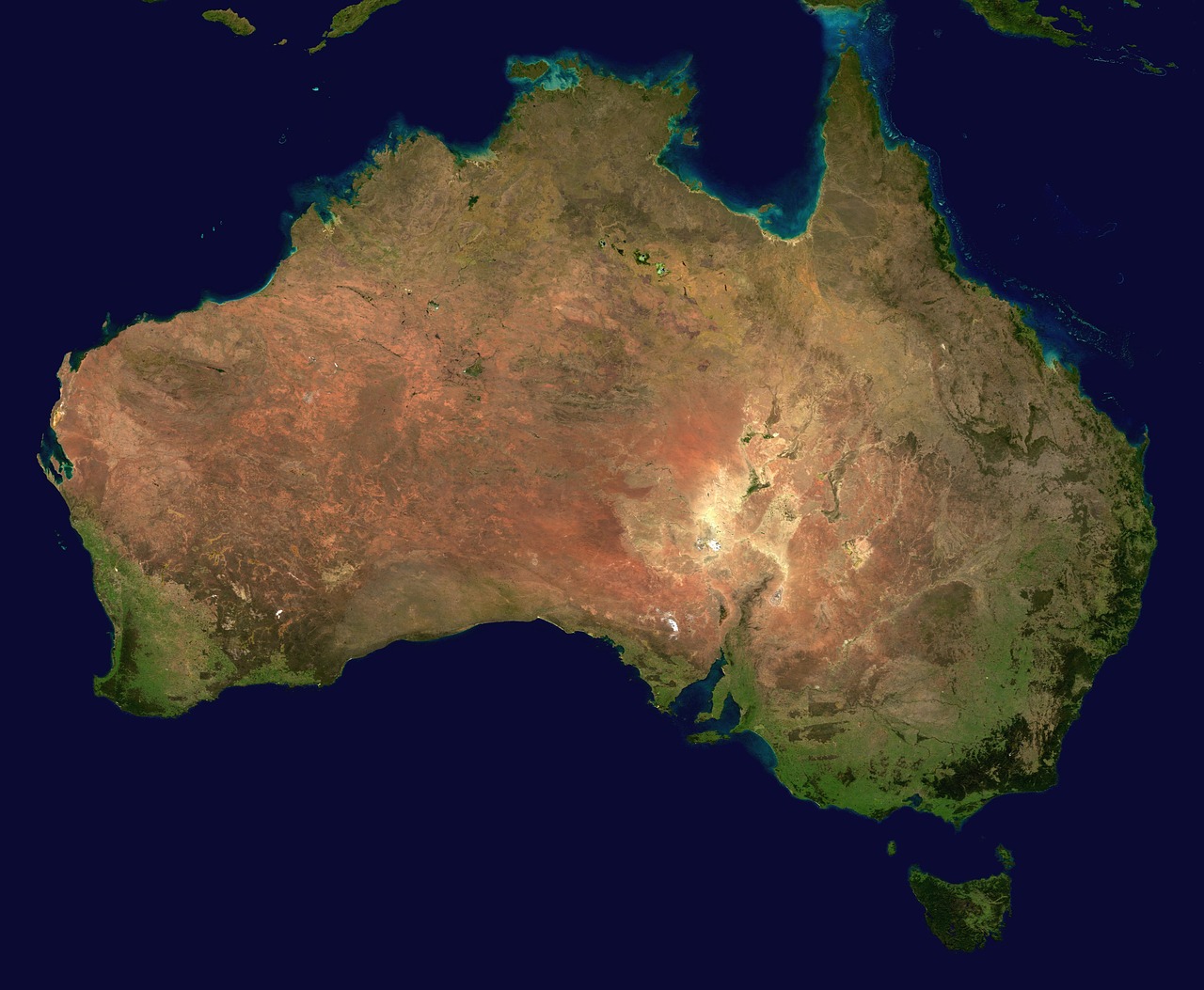

Iberdrola has established Carbon2Nature Australia as a joint venture with its local subsidiary, initiating a 688-hectare restoration project targeting Drooping Sheoak grassy woodland on South Australia’s Eyre Peninsula. The project represents the Spanish utility’s entry into Australia’s Australian Carbon Credit Unit market, a mechanism that has issued approximately 200 million ACCUs since 2012 but faces ongoing scrutiny regarding additionality claims and permanence guarantees in land-based sequestration projects.
The Talia Station initiative focuses on Allocasuarina verticillata woodland restoration, an ecosystem classified as critically endangered under national environmental legislation. Extensive agricultural conversion across the Eyre Peninsula reduced this vegetation type to fragmented remnants, with the current extent estimated below 10% of pre-European distribution. Restoration efforts at this scale confront multiple technical challenges, including seed availability, establishment mortality under variable rainfall patterns, and long timeframes before canopy development delivers significant carbon sequestration rates.
Carbon2Nature Australia extends Iberdrola’s existing nature-based solutions platform beyond operations in Spain, Mexico, and Brazil. The entity’s joint venture structure with Iberdrola Australia allows integration with the parent company’s renewable energy portfolio, which includes approximately 1,000 MW of operational wind capacity in New South Wales, South Australia, and Victoria. This configuration positions carbon removal projects as potential offsets for residual emissions from energy infrastructure construction and operations, though the utility has not specified allocation plans for generated ACCUs.
The Clean Energy Regulator’s ACCU scheme provides the regulatory framework and carbon accounting methodology for the project. Human-induced regeneration and environmental plantings constitute the likely methodological approaches given the described restoration activities, though specific methodology selection affects credibility assessments and market pricing. Recent analysis of Australian carbon credit integrity highlighted concerns with some vegetation-based methodologies, particularly regarding baseline assumptions and permanence risks from fire, drought, and land use changes. Iberdrola’s emphasis on “verified environmental integrity” acknowledges these market credibility challenges without addressing specific safeguards beyond regulatory compliance.
Project development partnerships with Land Life and Cassinia Environmental bring specialized ecological restoration and carbon project expertise. Land Life operates technology-driven reforestation programs internationally, while Cassinia Environmental maintains experience with Australian native vegetation establishment and ACCU methodology application. These partnerships reflect the technical complexity of designing restoration projects that simultaneously meet carbon accounting requirements, biodiversity objectives, and long-term land management sustainability. Previous large-scale native vegetation projects in South Australia have encountered difficulties with seedling survival rates during establishment phases, particularly in areas experiencing declining average rainfall attributed to climate change.
Collaboration with the Wirangu and Nauo Aboriginal Corporation introduces cultural land management dimensions alongside carbon and biodiversity outcomes. Indigenous land management practices increasingly feature in Australian environmental projects, driven by recognition of Traditional Owners’ ecological knowledge and policy frameworks supporting Indigenous economic participation in land-based industries. The project’s incorporation of cultural burning practices addresses fire management needs while creating training and employment pathways, though the scale of economic benefit to Traditional Owner communities depends on governance arrangements and revenue-sharing structures not detailed in available information.
Drooping Sheoak woodland restoration delivers potential biodiversity benefits beyond carbon sequestration, providing habitat for threatened fauna, including various bird species and small mammals endemic to southern Australian grassland ecosystems. However, habitat value development requires decades of vegetation maturity, with different faunal groups colonizing restored areas at varying rates depending on canopy development, understory complexity, and connectivity to existing remnant vegetation. The 688-hectare project scale represents meaningful local impact but constitutes a small contribution relative to total ecosystem decline across the region.
The Eyre Peninsula’s agricultural landscape presents ongoing management challenges for restoration projects, including herbivore pressure from livestock and native species, weed competition from introduced pasture species, and altered hydrology from drainage modifications. Long-term project success requires sustained management interventions over periods extending well beyond typical carbon credit project crediting timelines, raising questions about post-crediting period maintenance commitments and funding sources.
ACCU market dynamics influence project economics substantially. Spot prices for Australian carbon credits have fluctuated between AUD 30 and AUD 50 per tonne in recent years, affected by regulatory policy changes, compliance market demand, and voluntary market appetite. At 688 hectares, the project’s total carbon sequestration potential depends heavily on growth rates, stocking densities, and time horizons, but comparable projects in similar ecosystems might generate 500-1,000 tonnes CO2-equivalent per hectare over 25-year crediting periods. This would yield total sequestration of approximately 340,000-690,000 tonnes, translating to AUD 10-35 million in gross revenue at current pricing, assuming all credits achieve market sale. Project costs, including land acquisition or lease payments, establishment works, monitoring, and management, likely consume significant portions of this revenue, particularly in early project years before substantial credit generation occurs.
Iberdrola’s positioning of the initiative as providing customers with carbon removal options suggests potential offtake arrangements with corporate buyers seeking Australian-sourced carbon credits. Corporate voluntary carbon markets demonstrate increasing preference for removal-based credits over avoided emissions credits, driven by net-zero commitment requirements for neutralizing residual emissions. However, voluntary market demand proves variable and price-sensitive, with recent market contraction affecting project development economics across multiple geographies.
The project’s alignment with Iberdrola’s global biodiversity commitments reflects broader corporate environmental strategies extending beyond direct emissions reduction. Financial sector pressure through frameworks like the Taskforce on Nature-related Financial Disclosures creates incentives for companies to demonstrate positive biodiversity impacts, particularly in sectors like renewable energy, where infrastructure development affects natural ecosystems. Whether nature-based solutions projects deliver sufficient biodiversity value to offset impacts from utility infrastructure development depends on comparative assessments between restored ecosystem condition and displaced or degraded ecosystems from energy installations.
Australian regulatory frameworks for carbon projects include permanence obligations requiring credit retirement if sequestered carbon is released through disturbance events or land use changes. This regulatory risk transfers partially to project proponents, creating liability concerns, particularly for vegetation-based projects in fire-prone regions. Insurance products for carbon credit permanence remain underdeveloped, leaving projects exposed to reputational and financial consequences from sequestration reversals. Iberdrola’s emphasis on “long-term ecological resilience” acknowledges these risks without specifying risk management approaches beyond ecological design principles.
The 688-hectare scale represents a pilot-scale entry into Australian carbon markets rather than transformational ecosystem restoration, given the Eyre Peninsula’s total area of approximately 25,000 square kilometers. Scalability depends on land availability, economic returns on initial project performance, and policy stability for ACCU markets. Iberdrola’s global presence and capital access provide advantages for scaling operations if pilot project economics prove viable, though competition for suitable restoration land intensifies as carbon project development accelerates across Australian jurisdictions.


