






Biomass already accounts for the largest share of renewable energy potential in Malaysia’s power mix, driven by the country’s agricultural output rather than variable weather conditions.
That structural advantage is now shaping a broader research push as universities and public institutions expand work on biomass conversion, biofuels, hydrogen, and carbon management technologies, according to reporting by Open Gov. The focus reflects a pragmatic assessment of where Malaysia can decarbonize using domestic resources while addressing waste streams that continue to grow with industrial activity.
Research collaboration is intensifying across academic and regional networks. Curtin University Malaysia and Universiti Teknologi PETRONAS are working with regional partners to evaluate pathways for scaling biomass utilization, particularly from palm oil residues and other agricultural by-products. These materials represent a consistent and concentrated feedstock base, but their conversion into energy carriers remains constrained by processing efficiency, emissions control, and cost competitiveness with fossil fuels.
A central theme of the research is biomass valorization, which seeks to extract multiple products from organic waste rather than treating it as a single-use fuel. Studies are examining thermochemical routes such as gasification and pyrolysis alongside biochemical processing and integrated biorefineries. The objective is to create systems capable of producing electricity, advanced biofuels, hydrogen, and renewable materials in parallel. For Malaysia, where palm oil processing generates large volumes of empty fruit bunches and other residues, this approach could reduce disposal impacts while improving overall energy yields.
Efficiency gains remain critical. Researchers are testing improved catalytic systems, fermentation techniques, and resource recovery methods to lower emissions intensity and increase conversion rates. These incremental advances are essential, as biomass projects often struggle with higher capital costs and lower margins compared with conventional power generation. Without demonstrable improvements in efficiency, large-scale deployment risks remaining limited to niche applications or policy-supported pilots.
Carbon capture and utilization is emerging as a complementary research pillar, particularly for bioenergy systems. Capturing carbon dioxide released during biomass conversion offers a route to lower lifecycle emissions, and in some configurations, potentially carbon-negative outcomes. Pre-combustion carbon capture is also being studied in biomass-to-hydrogen pathways, where separating CO2 upstream could improve hydrogen purity while reducing overall emissions. However, these systems add complexity and cost, raising questions about commercial viability outside of targeted industrial clusters.
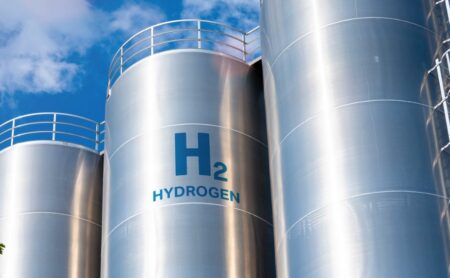
Hydrogen production from biomass sits at the intersection of these efforts. By combining biomass conversion with carbon capture, researchers are exploring whether Malaysia could produce low-carbon hydrogen using domestic feedstocks rather than imported energy. This pathway could support decarbonization in industrial and transport applications, but it depends on sustained access to low-cost biomass and reliable carbon storage or utilization options. Without those conditions, biomass-based hydrogen may struggle to compete with electrolytic hydrogen in regions with cheap renewable electricity.
Microalgae research adds another dimension. Algae can absorb carbon dioxide efficiently and grow on non-arable land, addressing land-use concerns that often constrain bioenergy projects. Malaysian researchers are evaluating microalgae for biofuels and bioproducts, although scaling challenges remain, particularly around cultivation costs and downstream processing. For now, microalgae is positioned as a longer-term option rather than a near-term solution.
These research initiatives align closely with sustainability strategies in Sarawak, where policymakers are emphasizing renewable energy expansion, resource efficiency, and climate resilience. Regional collaboration with the Philippines and Indonesia is also shaping development, as neighboring countries face similar biomass availability and infrastructure constraints. Shared research and pilot projects may help accelerate learning, but commercial scale deployment will depend on whether laboratory and demonstration results can translate into cost-competitive systems.