


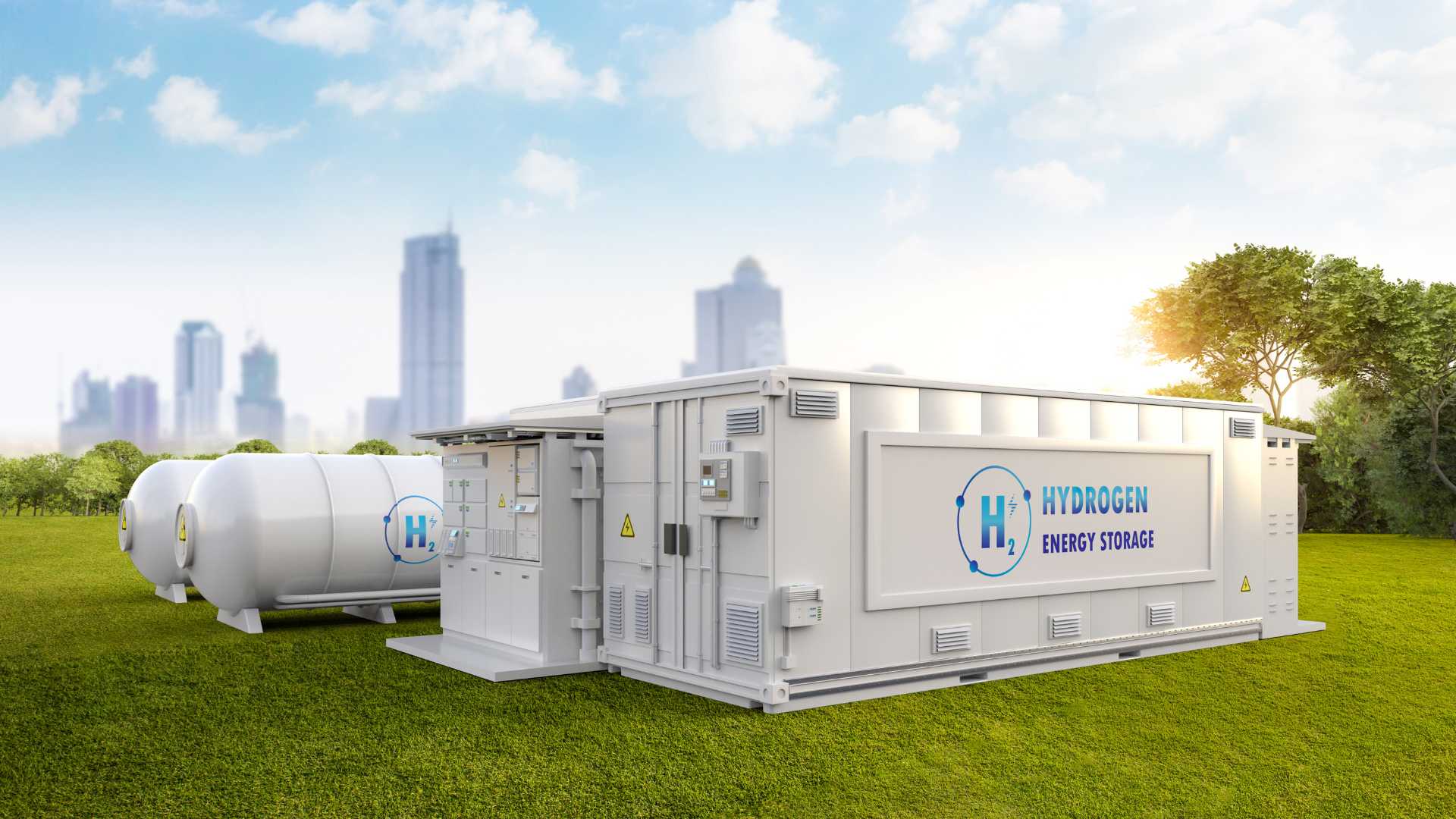


Nel Hydrogen US, a subsidiary of Nel ASA, has accepted an order for an MC500 containerized PEM water electrolyser from Viva Energy Australia. When installed, the electrolyser will be the largest in Australia and will supply a fleet of heavy fuel cell cars with green hydrogen.
Viva Energy is a publicly traded firm on the Australian Securities Exchange that owns the Geelong refinery and provides around 1,350 Shell and Liberty service stations across Australia. Viva Energy also offers a variety of business clients with fuels and other products.
Viva Energy is constructing a new energy service station at its Geelong refinery as part of its Geelong Energy Hub that will allow battery charging and hydrogen fuelling. The system offered by Nel is a containerized solution with a production capacity of up to 1,063kg per day that will feed fuel cell grade hydrogen straight to the specialized fuelling station. The project received a grant from the Australian Renewable Energy Agency (ARENA) as part of ARENA’s Advancing Renewables Program, as well as funding from the Victorian Government’s Renewable Hydrogen Commercialization Pathways Fund.
“It is a great pleasure to collaborate with Viva Energy and our local partner ENGV to develop this unique flagship project in Australia. This project is an important milestone for Australia’s targeted efforts to decarbonize the mobility sector and create a local hydrogen economy”, says Raymond Schmid, VP Sales and Marketing EMEA and Oceania.
The contract has an approximate value of about EUR 4m, and the system is expected to be delivered in Q3 2023.
Add EnergyNews.biz as a preferred source on Google


