





Nissan’s Melbourne production facility now offers a small but instructive case study, pairing a 100 kW rooftop solar system with a 120 kWh battery energy storage unit built from retired Nissan Leaf batteries, as manufacturers test whether circular energy systems can deliver measurable operational value rather than symbolic sustainability claims.
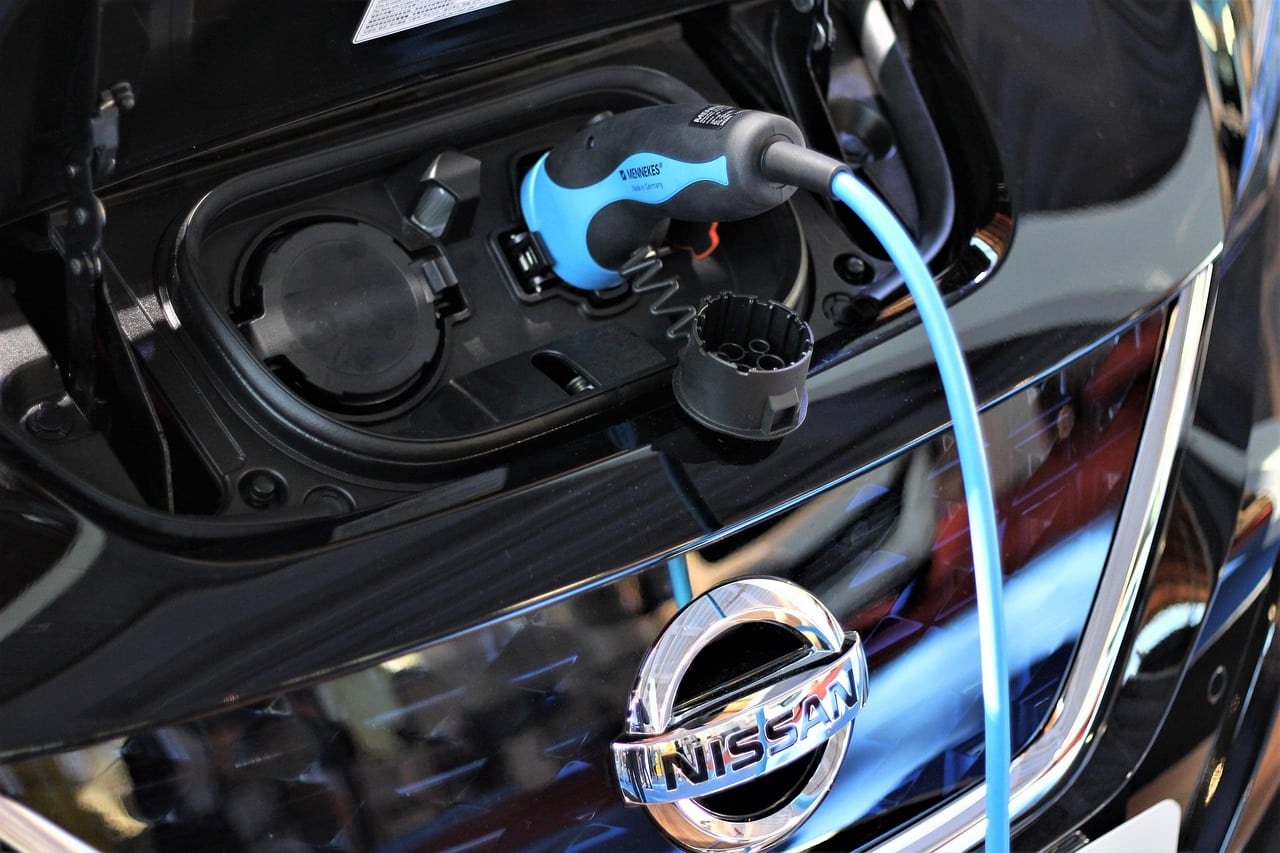
The project, branded Nissan Node, integrates nine second life Leaf battery packs into a 36 kW, 120 kWh storage system that supports on site electricity demand and powers two newly installed EV chargers. While modest in scale, the deployment reflects a growing industrial interest in using repurposed EV batteries to reduce grid reliance, manage peak loads, and extract additional value from assets that would otherwise sit idle or move directly into recycling streams.
A critical technical constraint in second life battery projects has been variability in battery health and the cost of power electronics required to manage aging cells. Melbourne based technology firm Relectrify addresses this through cell level control architecture that combines battery management and inverter functions. According to the company, this approach can extend battery cycle life by up to 30 percent while reducing electronics costs by a similar margin, improving the economics of repurposed storage for commercial and industrial users. These claims align with broader industry assessments that control electronics, rather than battery chemistry, often determine second life viability.
From an operational perspective, Nissan Australia estimates the system will reduce annual carbon dioxide emissions by roughly 259 tonnes and save around 128 megawatt hours of electricity each year. While these figures remain small relative to large scale industrial decarbonization targets, they underscore how second life storage can contribute incrementally to energy cost management and emissions reduction when integrated with on site renewables.
The Melbourne deployment also highlights a broader strategic challenge facing automakers as EV volumes scale. Tens of gigawatt hours of vehicle batteries are expected to retire globally over the next decade, and recycling capacity alone may not absorb them economically in the near term. Second life applications such as behind the meter storage, fast charging support, and grid services offer a bridge, but only if performance, safety, and cost can be standardized.
For Nissan, which launched the Leaf more than a decade ago, the project reinforces its attempt to extend leadership beyond vehicle sales into lifecycle management. For the wider industry, the significance lies less in the size of the installation than in whether second life systems like this can be replicated at scale without relying on bespoke engineering or pilot level economics.