

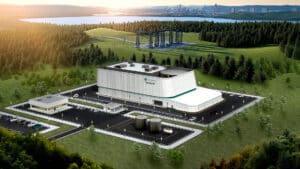




A new 4 MW green hydrogen project in Neyveli, Tamil Nadu, developed by Ohmium International and InSolare Energy for NLC India Limited, highlights the country’s approach of building smaller scale but scalable production assets linked to domestic energy infrastructure.
The facility is expected to produce up to 700 metric tons of green hydrogen annually, with the output intended for applications including industrial processes, power generation, and clean mobility. While the project remains modest compared with future large scale hydrogen hubs, its significance lies in demonstrating how electrolyzer technology, renewable generation, and industrial consumption can be integrated within India’s emerging hydrogen ecosystem.
Ohmium will supply its proton exchange membrane (PEM) electrolyzer technology, supported by its manufacturing capabilities in India. PEM systems are increasingly being considered for applications requiring operational flexibility because they can respond quickly to fluctuations in renewable electricity supply. This characteristic is particularly relevant as India expands variable renewable generation from solar and wind resources.
However, the economics of PEM based green hydrogen remain closely tied to electricity costs and utilization rates. Electrolyzer projects require a consistent supply of low cost renewable power to compete with conventional hydrogen production routes, particularly steam methane reforming, which remains the dominant global hydrogen production method.
The partnership also reflects a growing emphasis on domestic supply chains. India has identified local manufacturing capacity as a key element of its hydrogen strategy, aiming to reduce dependence on imported equipment while creating an industrial base around electrolyzers and related technologies.
InSolare Energy will provide engineering, procurement, and construction capabilities for the project, drawing on its experience in utility scale solar projects and hybrid renewable energy systems. The integration of renewable power generation with hydrogen production is becoming increasingly important as developers seek to manage intermittency and improve asset utilization.
For NLC India Limited, the project aligns with its broader expansion into renewable energy. The company has historically been associated with lignite mining and thermal power generation but has increasingly diversified into solar and other clean energy assets. The hydrogen project represents an effort to connect its renewable portfolio with emerging industrial decarbonization markets.
The project also highlights a broader challenge facing India’s hydrogen sector: creating reliable demand. While production technologies are advancing, large scale hydrogen deployment requires long term offtake agreements from sectors such as fertilizers, refining, steel, and heavy transport. Without predictable demand, developers face uncertainty in financing and scaling production.