



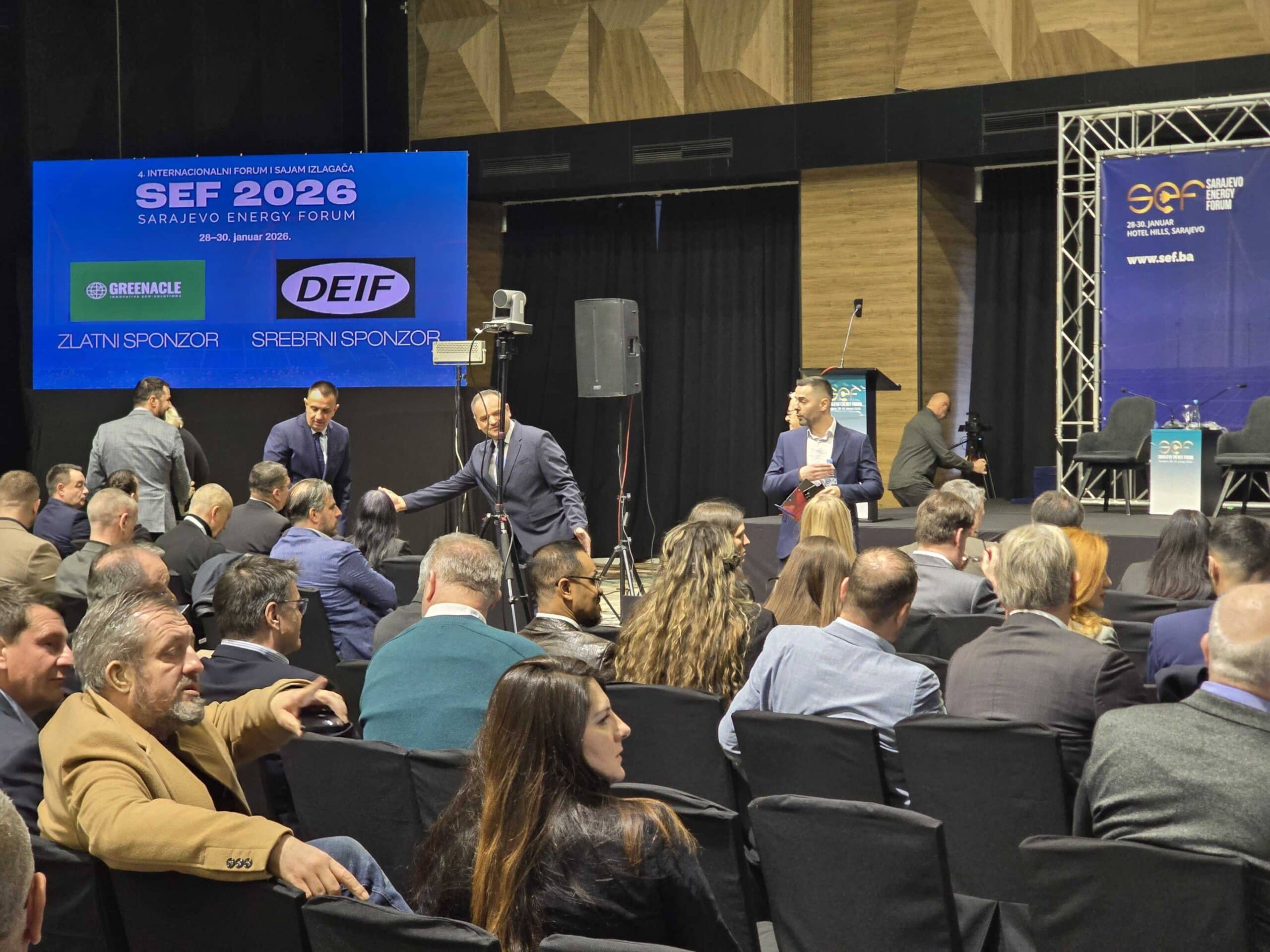
The Sarajevo Energy Forum 2026 officially opened on January 29 at Hotel Hills, positioning itself as a regional checkpoint for how Southeast Europe intends to manage the technical, financial, and policy risks of the energy transition.
The two-day forum brings together policymakers, utilities, investors, and technology providers from across the Western Balkans and wider Europe, reflecting growing recognition that national energy strategies in the region are increasingly constrained by shared infrastructure and market interdependence. Discussions at SEF 2026 focus on electricity system resilience, regional market coupling, and the investment frameworks needed to support large-scale deployment of renewables without undermining security of supply.
Clean energy investment remains a central theme, particularly as countries in the region attempt to balance EU alignment pressures with domestic affordability concerns. While solar and wind capacity additions have accelerated, speakers are expected to scrutinize whether permitting timelines, grid access rules, and auction designs are keeping pace with investor expectations. The forum’s agenda places digitalization of the energy sector alongside these issues, examining how advanced grid management systems and data-driven forecasting could mitigate congestion and variability risks.
Artificial intelligence and cybersecurity have also moved from peripheral topics to core system considerations. As utilities deploy more digital controls and automated balancing tools, vulnerabilities to cyber threats are increasing, especially in markets where regulatory oversight and technical standards remain uneven.
Hydrogen, biomass, and biogas feature as strategic options rather than near-term substitutes for fossil fuels. In the Western Balkans context, hydrogen discussions are expected to center on industrial demand, cross-border transport potential, and alignment with emerging EU hydrogen corridors, rather than immediate large-scale production. Biomass and biogas, by contrast, are framed as closer-to-market solutions, particularly for district heating systems and agricultural regions seeking to reduce dependence on imported gas.

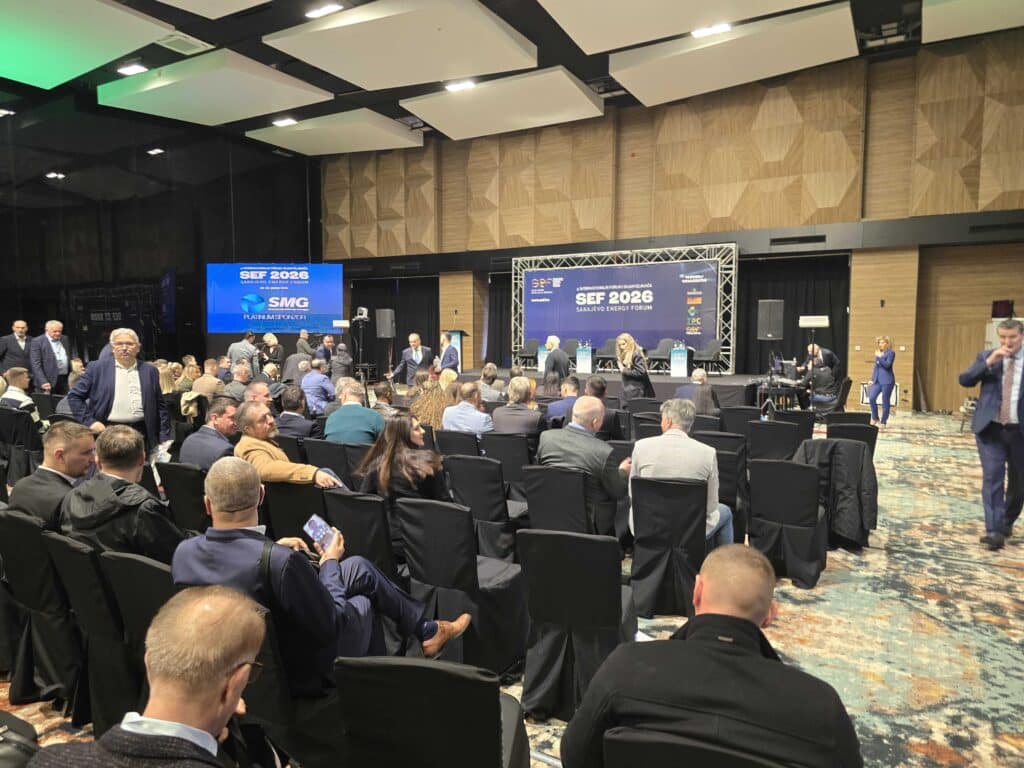
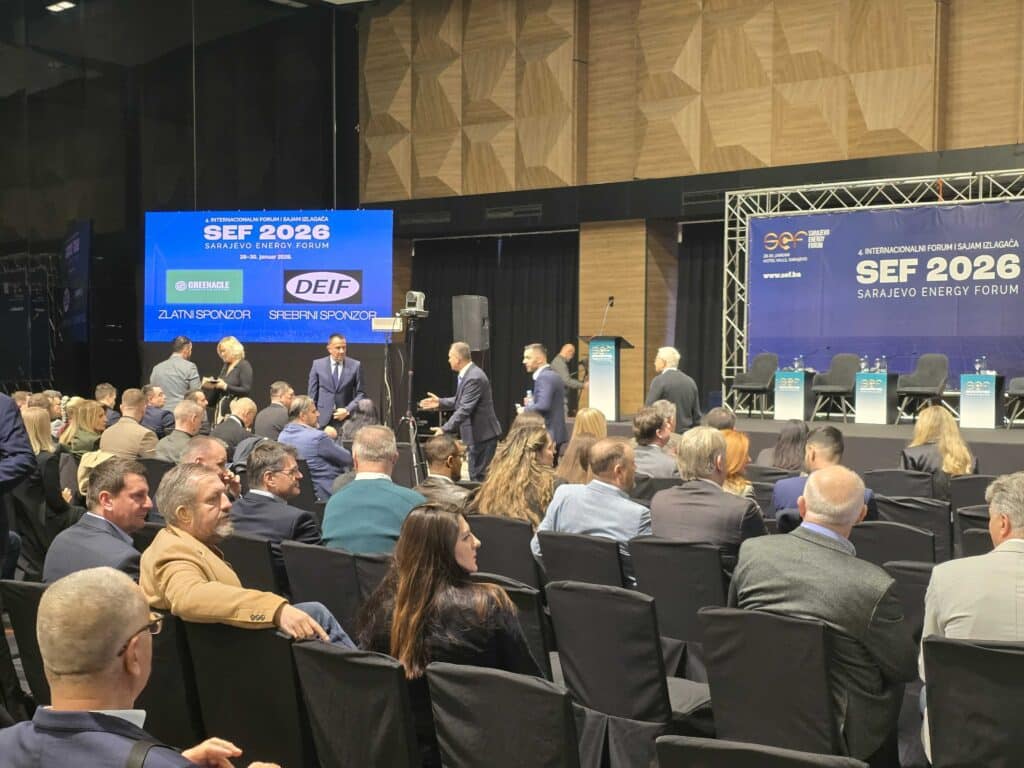
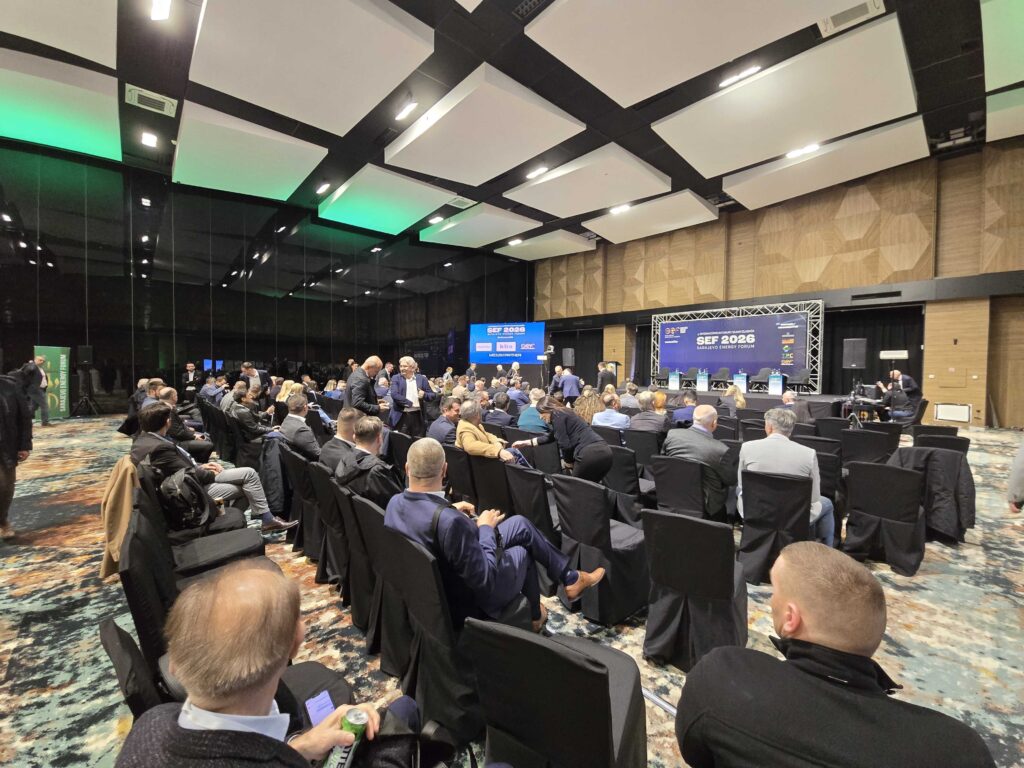
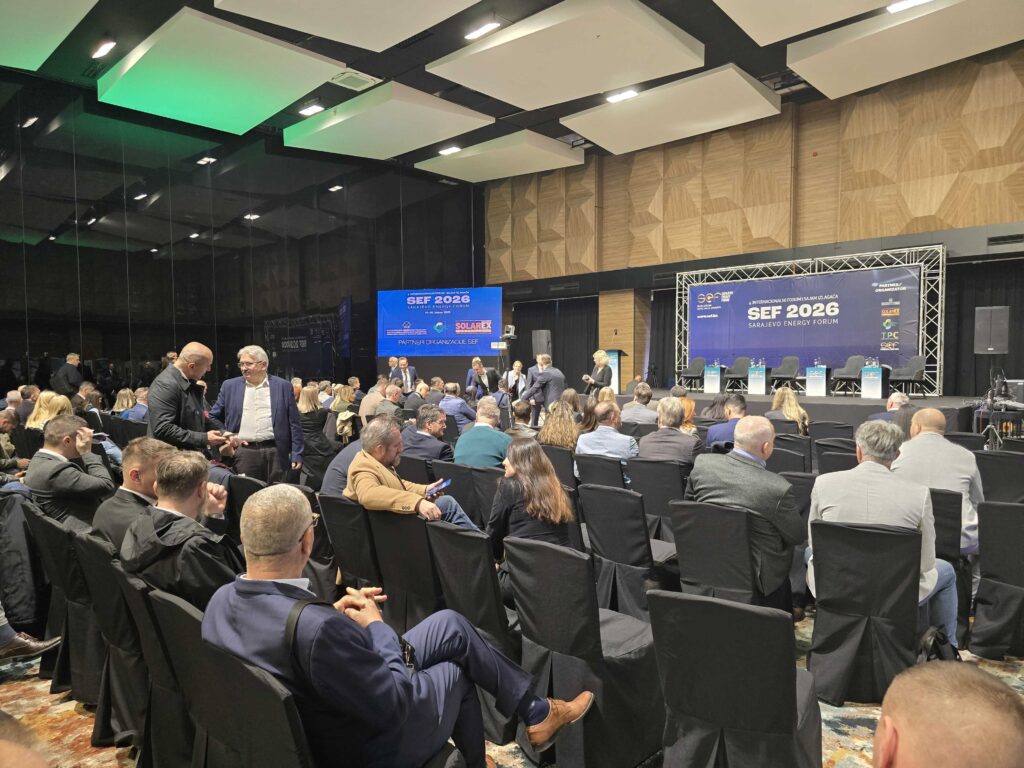
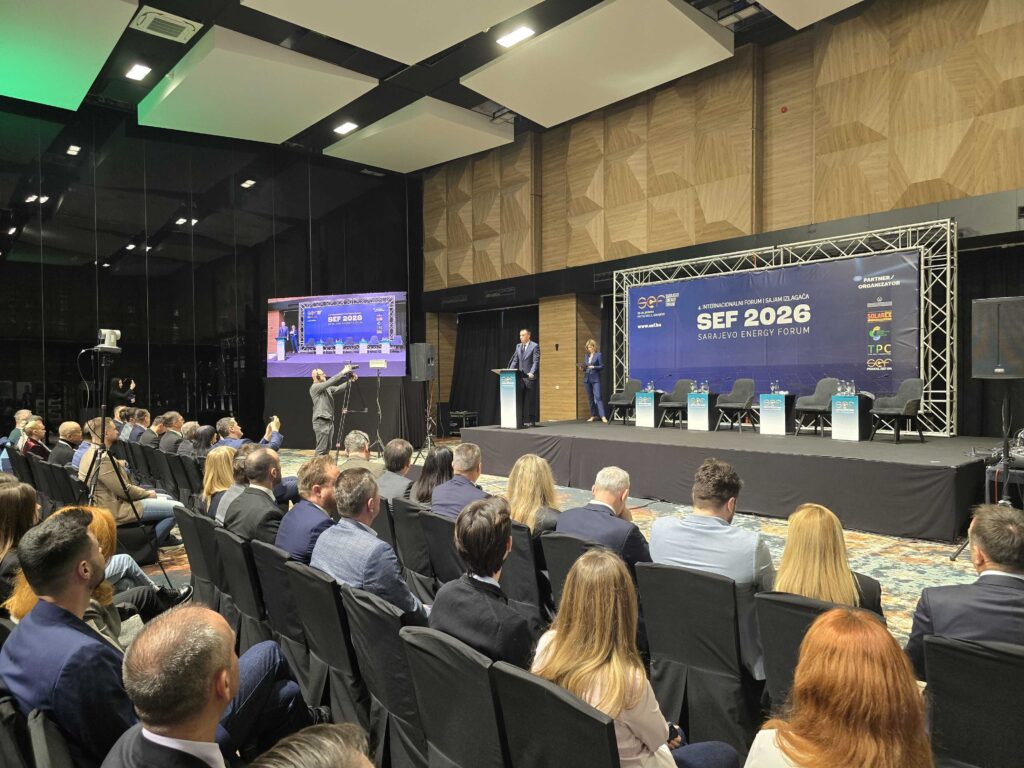
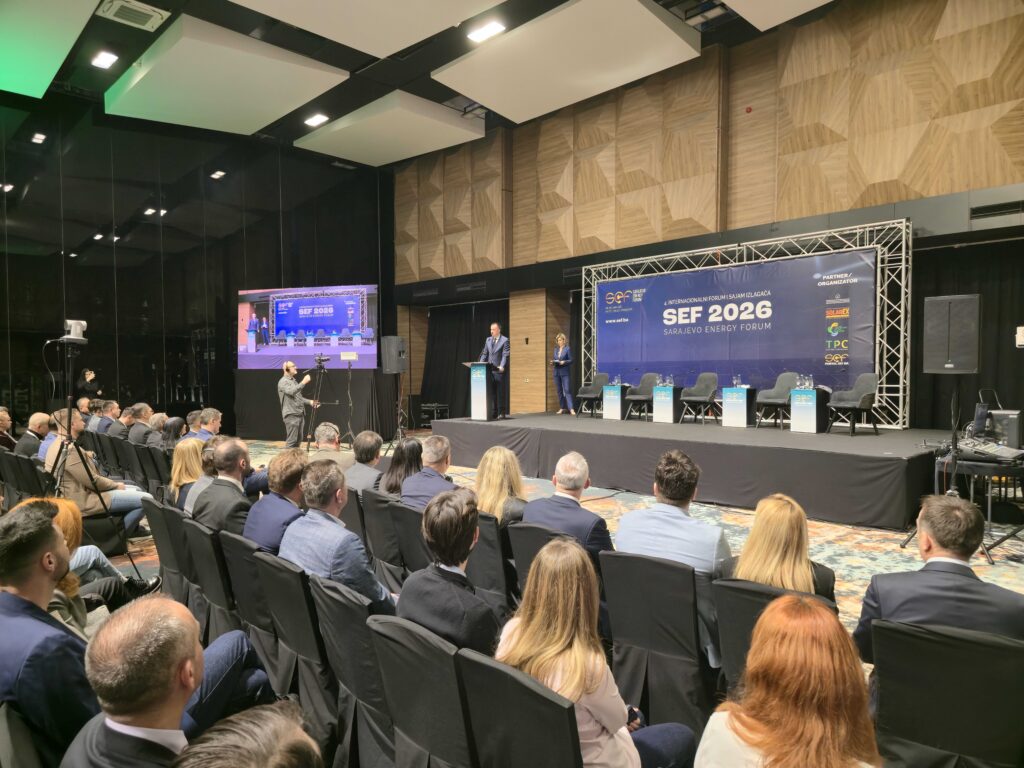
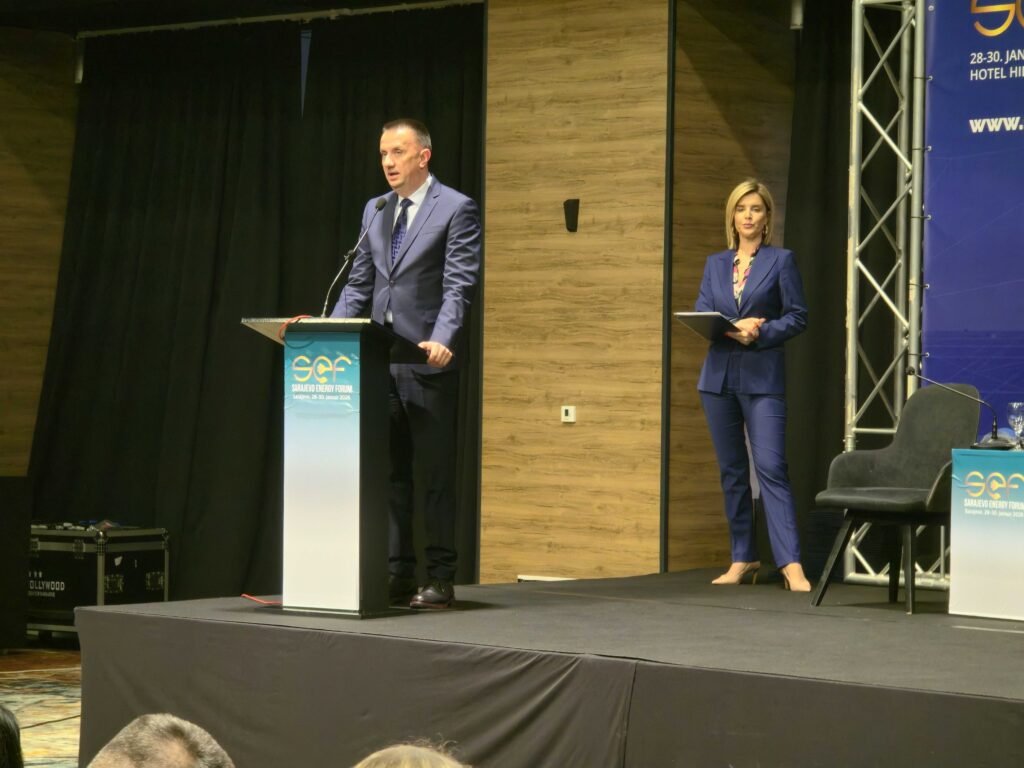
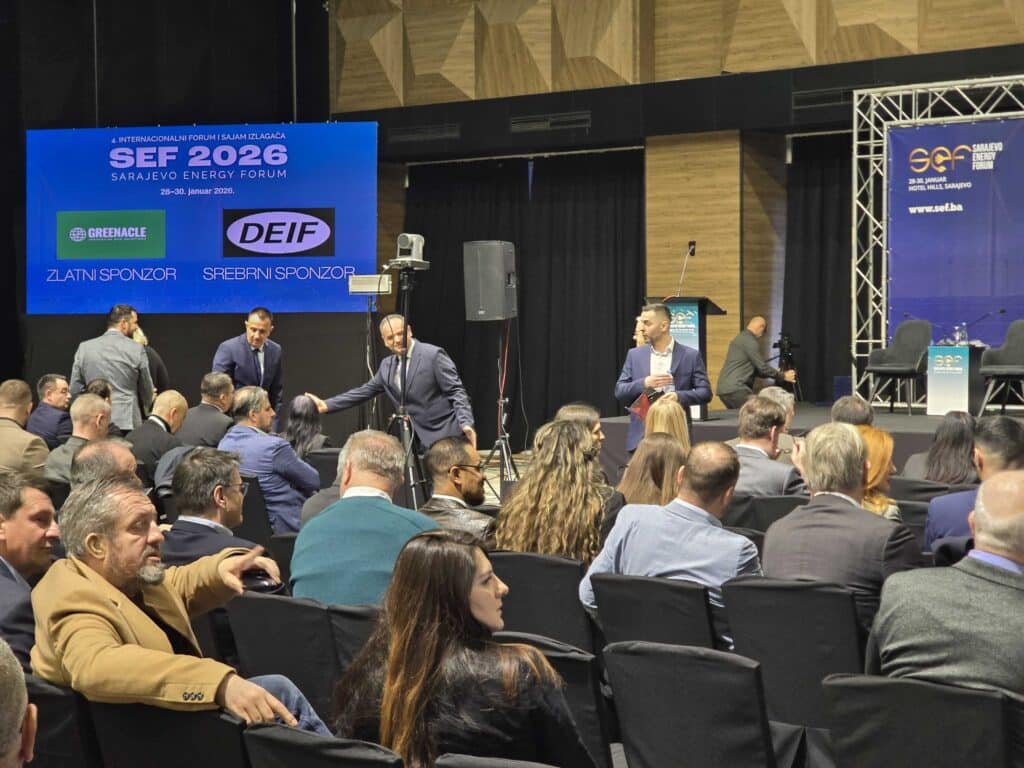
Alongside policy and market discussions, the Sarajevo Energy Forum also serves as a platform for regional visibility. The Sarajevo Energy Star Awards will be presented during the event, recognizing projects and individuals that have made measurable contributions to the development and modernization of the energy sector.
Energy News, in cooperation with the Balkan Association of Sustainable Energy, is participating in SEF 2026 with on-site coverage across both days. The focus will be on capturing key insights from industry leaders and policymakers, as well as identifying emerging trends that may shape the Western Balkans’ energy transition over the next decade, particularly where infrastructure constraints and investment gaps intersect with decarbonization goals.