






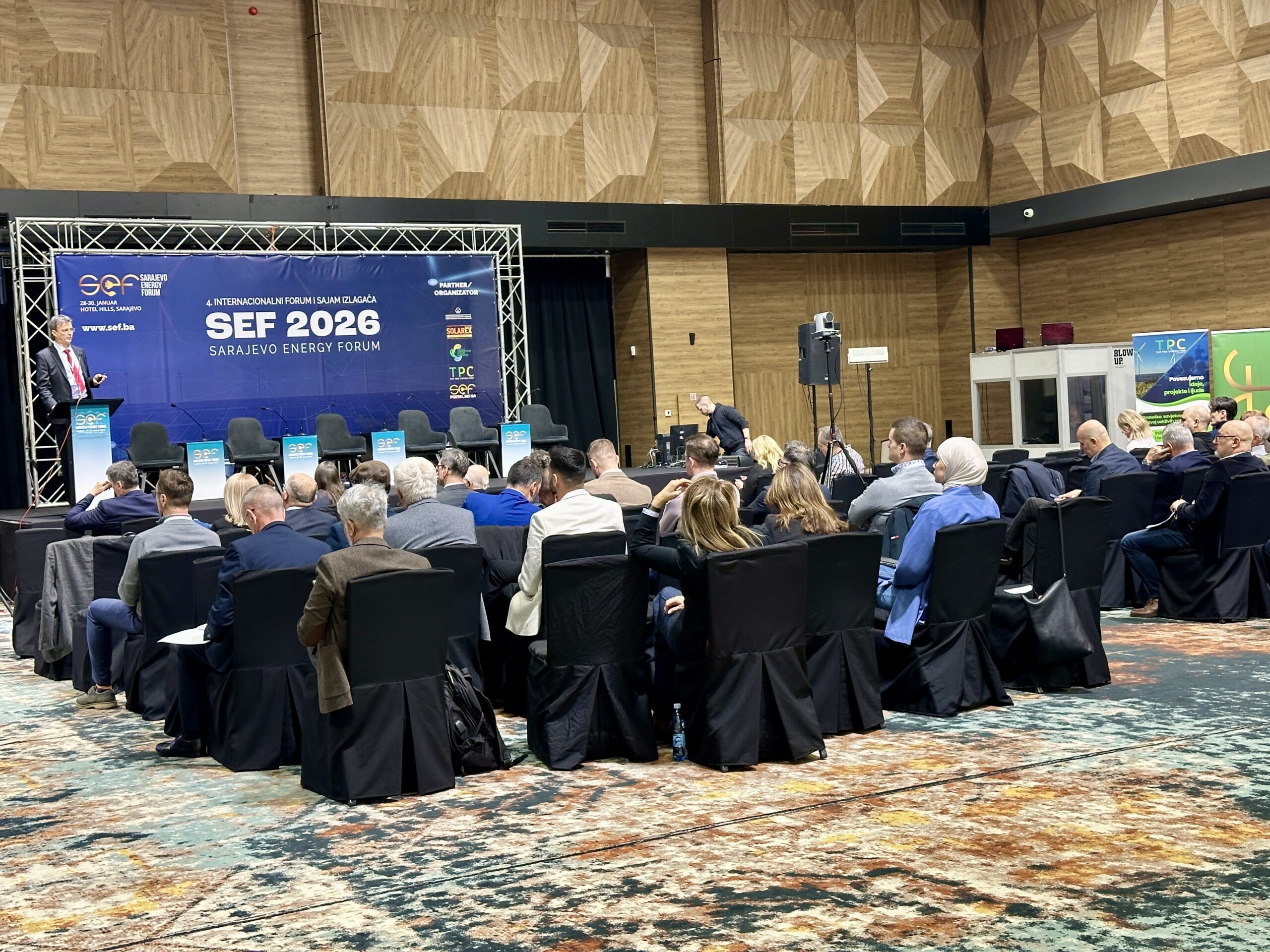
As Southeast Europe accelerates its alignment with EU climate and energy frameworks, the Sarajevo Energy Forum second day opens against a familiar backdrop: ambitious transition targets paired with persistent structural gaps.
The agenda reflects this tension, moving beyond headline capacity goals to address the less visible but increasingly decisive constraints shaping the region’s energy trajectory, from workforce readiness and digitalization to the pace at which domestic supply chains can scale.
Discussions today span energy transition pathways, efficiency and demand reduction, artificial intelligence applications in energy systems, and the deployment challenges facing smart energy solutions. Notably, hydrogen, biogas, and biomass are treated less as emerging concepts and more as industrial tools whose viability depends on local project execution, regulatory coherence, and cross border coordination.
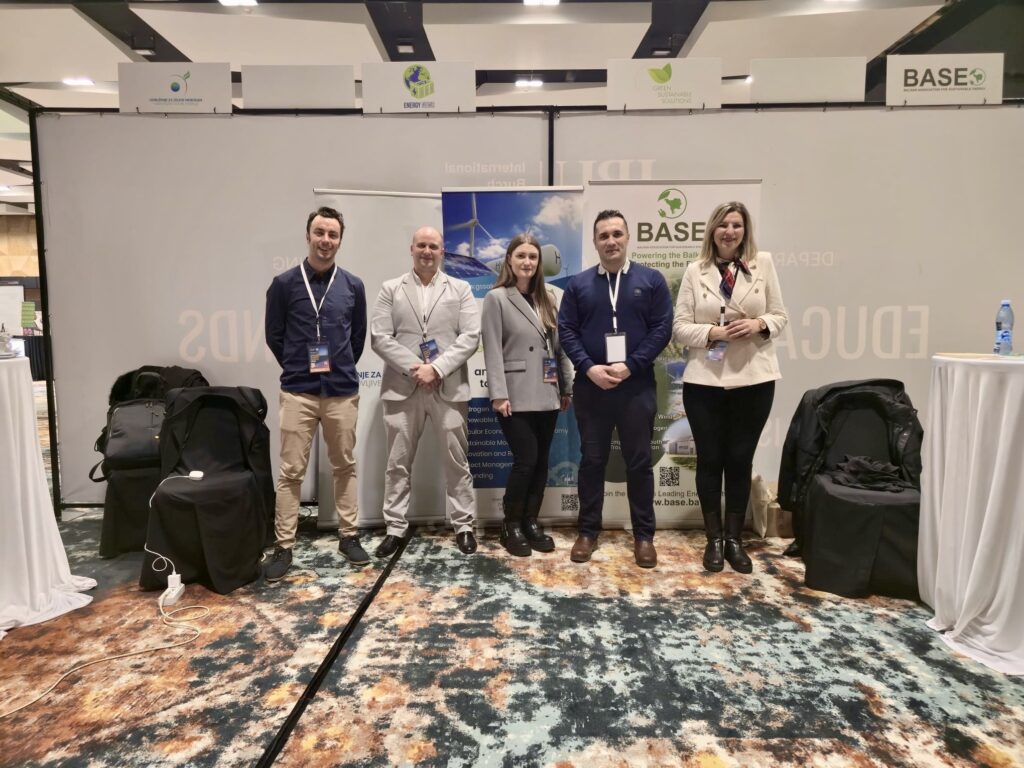
Human capital sits near the center of the program. The panel titled The Energy of Knowledge: Building a Generation of Transition Experts focuses on a bottleneck often acknowledged but rarely quantified in policy design. Energy News team member Arnes Biogradlija is participating in the panel, contributing perspectives from the energy journalism. The discussion centers on aligning academic curricula with real world project requirements, particularly in power electronics, data analytics, and systems integration.

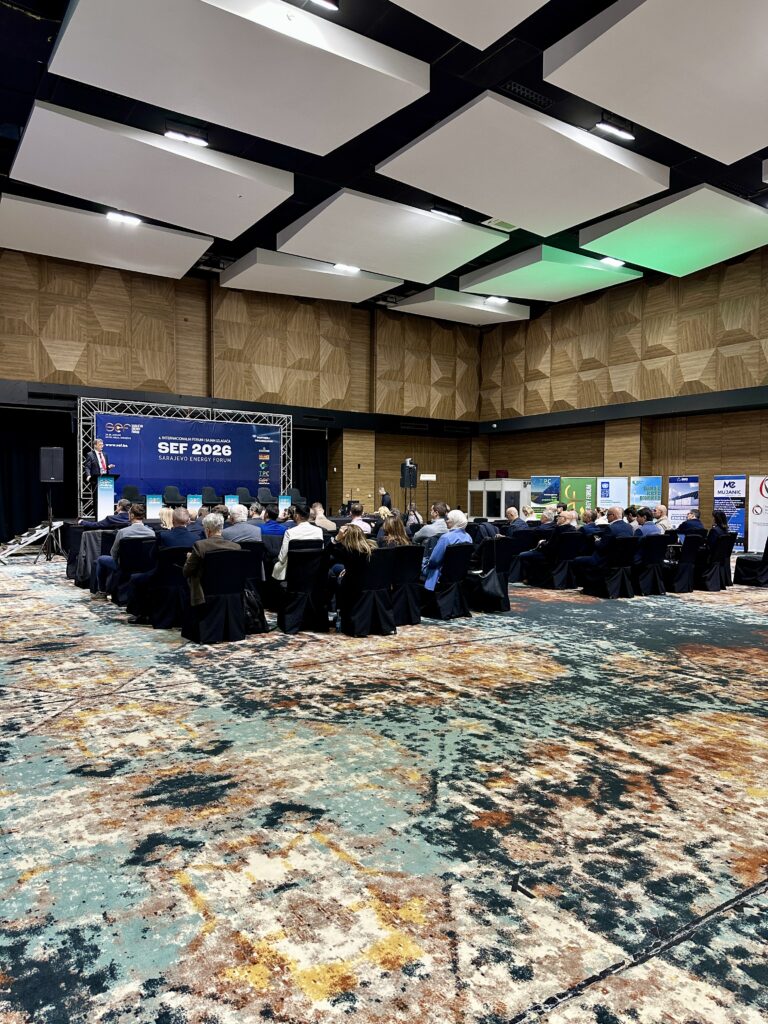
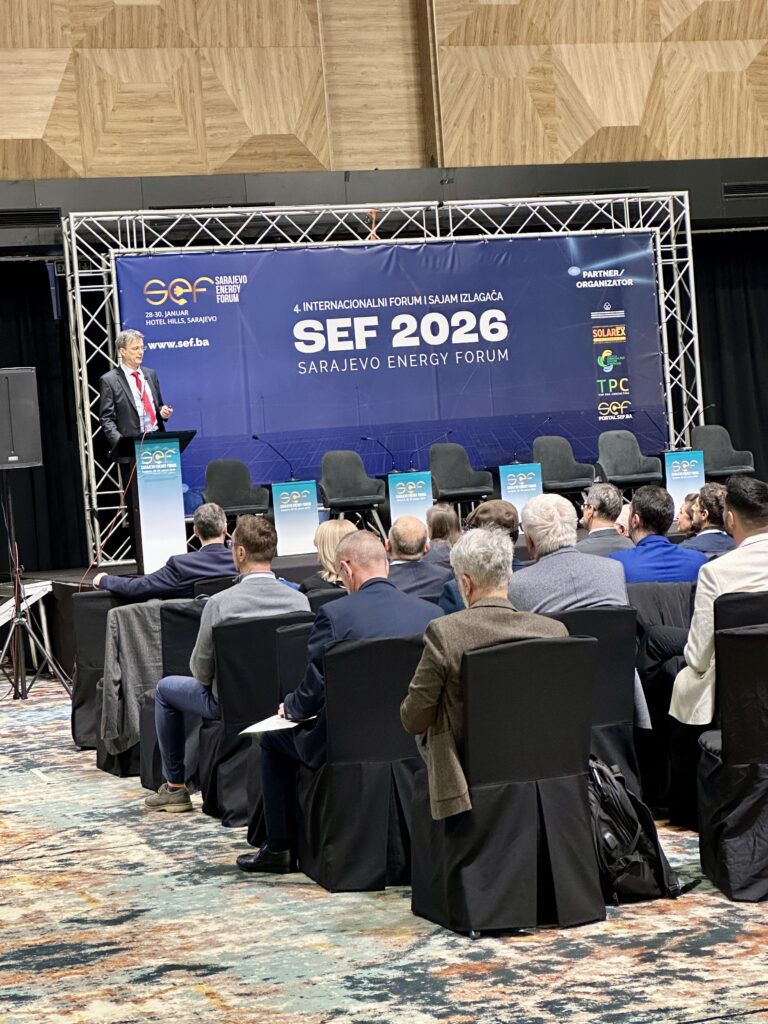

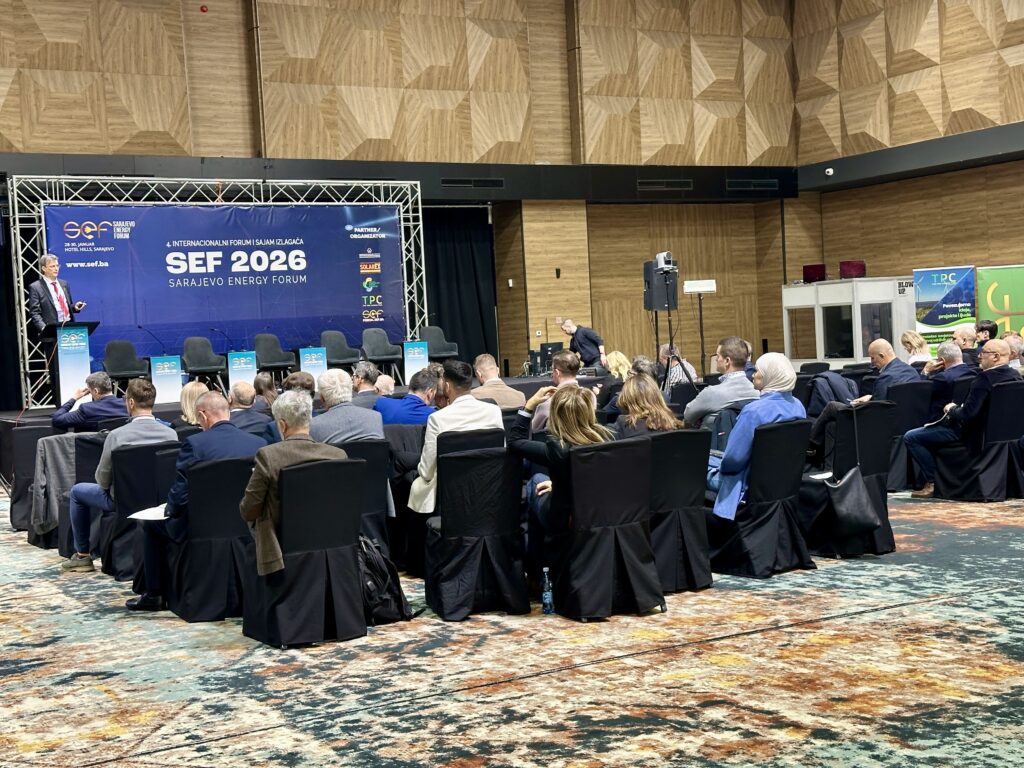
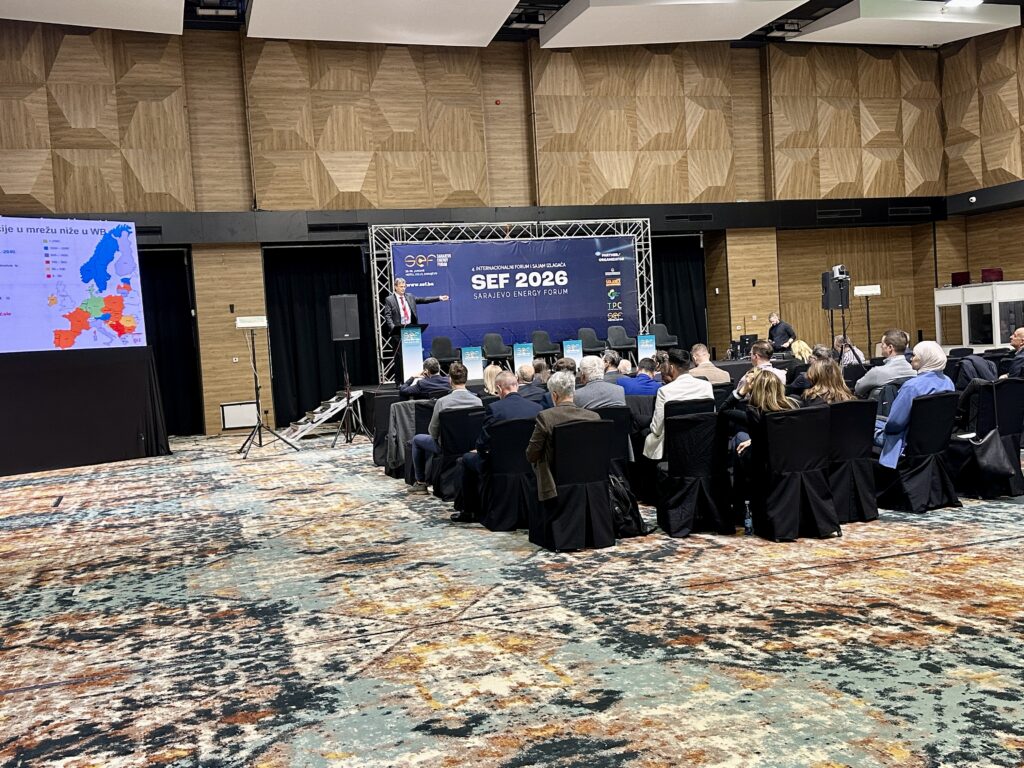


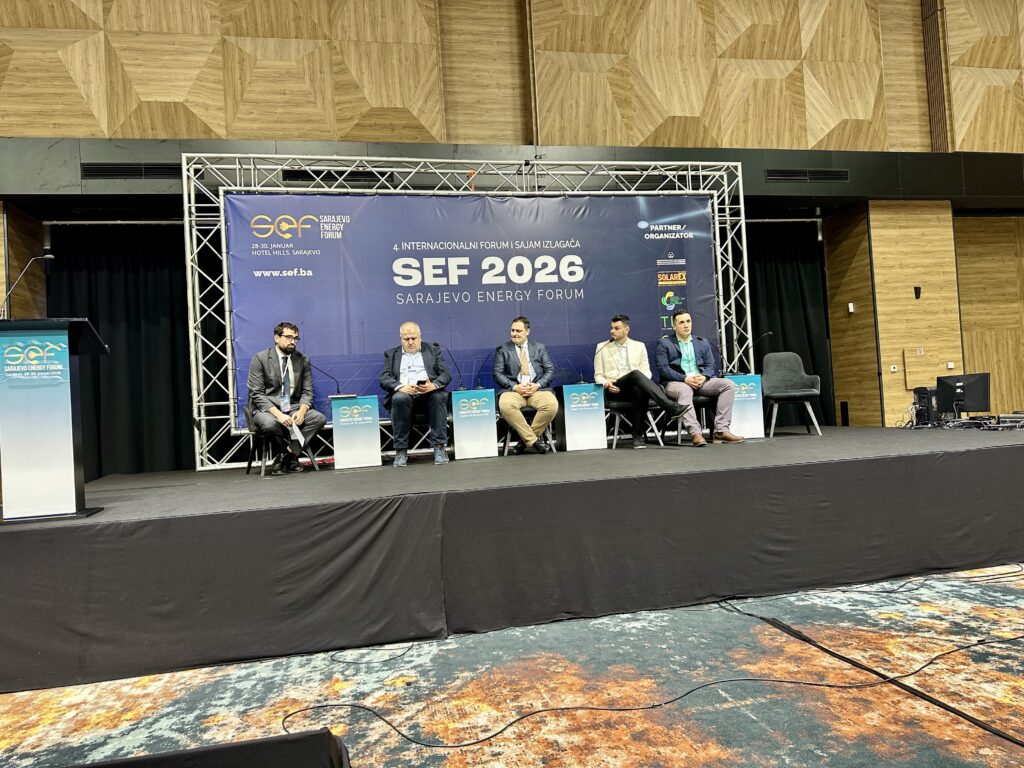
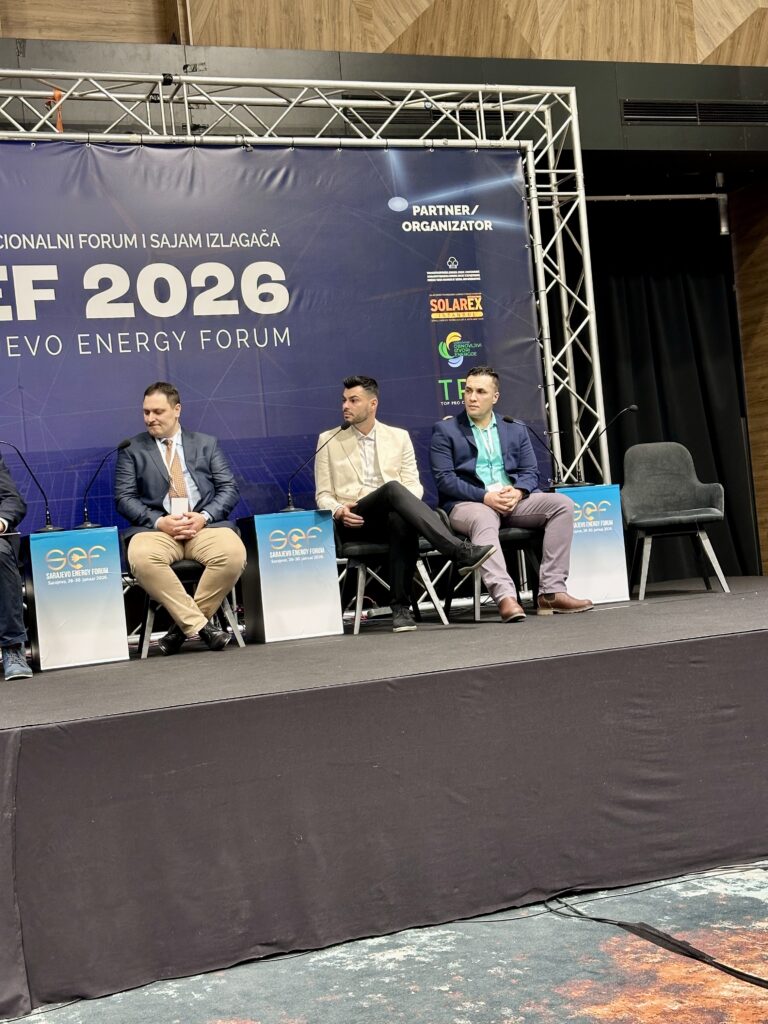
The hydrogen, biomass, and biogas panel shifts the focus toward domestic capacity building. Green hydrogen, in particular, is discussed in the context of industrial decarbonization rather than export led narratives.
Day two also includes the announcement of the best startups and innovations, offering a snapshot of where entrepreneurial activity is concentrating. Rather than celebrating novelty alone, the emphasis is on scalability and integration into existing energy systems.
Across panels, a common thread emerges: the energy transition in Southeast Europe is entering a phase where execution capacity matters as much as policy ambition. Skills development, data integrity, and industrial partnerships are no longer secondary considerations but primary determinants of whether transition targets translate into operational assets. The Sarajevo Energy Forum’s second day reflects this shift, grounding strategic debates in the institutional and technical realities that will define the region’s energy outcomes over the next decade.