


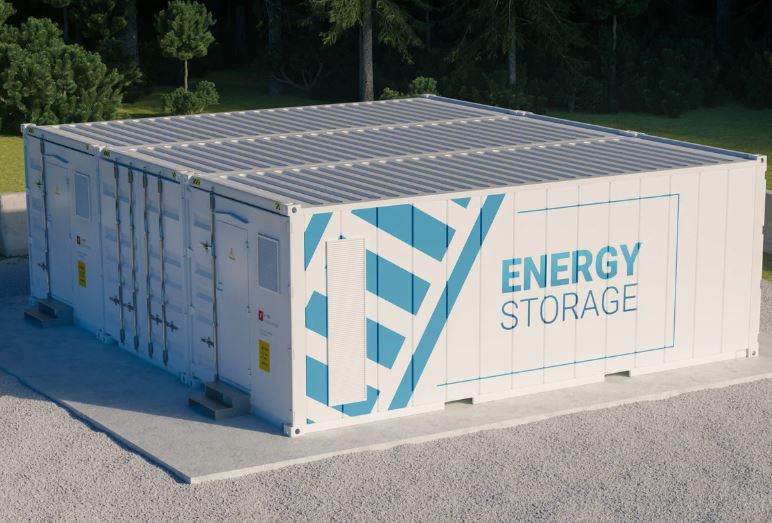

SK Innovation’s battery unit, SK On, is actively negotiating with multiple U.S.-based data center operators and energy developers to supply lithium iron phosphate (LFP) batteries for energy storage systems, aiming to secure at least 10 gigawatt-hours of contracts in 2026.
Historically, South Korean battery manufacturers prioritized high-performance nickel-based chemistries over LFP, which was largely seen as a lower-tier technology dominated by Chinese producers. SK On’s pivot reflects a broader market shift, with LFP increasingly favored for energy storage due to its cost-effectiveness, thermal stability, and cycle life. Following its first U.S. deal in September with Flatiron Energy Development, inquiries from private ESS developers and hyperscale data center operators, including clients serving Microsoft and Meta Platforms, have surged.
Choi Daejin, head of SK On’s ESS business, indicated the company plans to allocate roughly 20 percent of its 100 GWh global production capacity to ESS cells. While the formal announcement of additional U.S. contracts could come as early as this summer, SK On is positioning itself to capture a significant share of a market projected to expand alongside the rapid deployment of AI infrastructure and utility-scale renewable power.
The ESS pivot also reflects strategic adjustments in response to headwinds in the U.S. electric vehicle market, including slower EV adoption, rising tariff pressures, and intensified competition from Chinese battery makers. Following the termination of its joint venture with Ford Motor in December, SK On wrote down 3.7 trillion won ($2.5 billion) and restructured operations, including layoffs at its Georgia facility. Some EV production lines in Georgia and at the Tennessee site acquired from the Ford project are being converted to ESS cell manufacturing to better align with emerging market demand.
South Korean competitors are executing similar strategies. LG Energy Solution plans to scale ESS production to over 60 GWh in 2026, while Samsung SDI targets roughly 30 GWh, reallocating resources from EV-focused lines. For SK On, the ESS business offers a pathway to stabilize revenue streams and capitalize on structural shifts in electricity consumption, particularly as AI workloads and renewable generation amplify grid flexibility requirements.


