





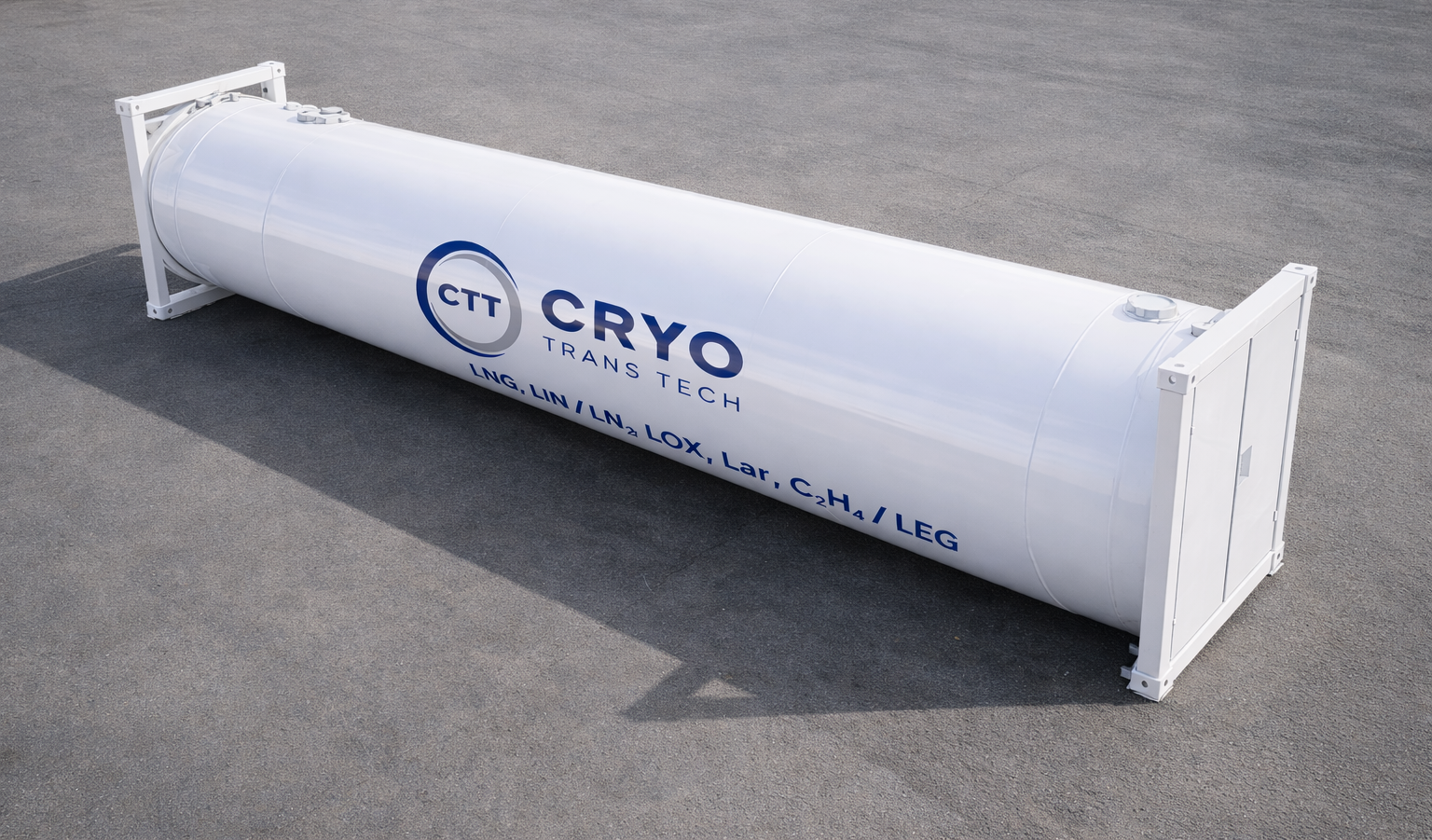
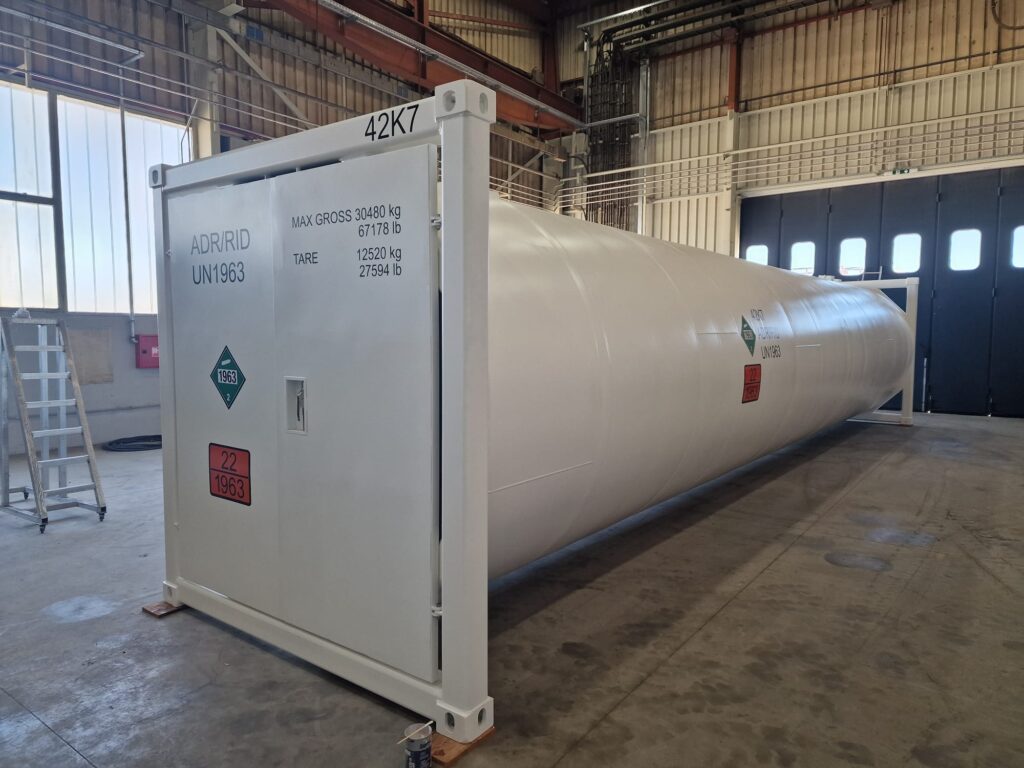
Somewhere in the middle of the Atlantic Ocean, a massive cargo ship pitches in a deep-water swell. The ambient temperature on the steel deck is a blistering forty degrees Celsius. Stacked at the bottom of a six-high column of shipping containers, bearing the crushing downward force of hundreds of thousands of kilograms of dead weight, sits a single forty-foot ISO container.

To the untrained eye, it is just another metal box moving global freight. But inside the two-foot gap between its outer steel shell and its inner pressure vessel, a silent and relentless war is being waged against the laws of thermodynamics.


Deep within its core, suspended in an ultra-high vacuum, rests a payload of extreme cryogenic liquid. If the ambient heat from the ocean air breaches that hull, the liquid will violently boil, expand, and spike the internal pressure until the safety valves scream, venting millions of dollars of precious payload into the sky.

In the high-stakes world of extreme cryogenic transport, you are not simply moving liquids. You are fighting the natural desire of the universe to warm things up. Surviving that fight requires the apex predators of industrial containment. It requires the specialized ISO containers engineered by Cryo Trans Tech.
A Legacy of Innovation and Strategic Scale
The journey to creating these technological behemoths began with a clear vision of the future energy landscape. Cryo Trans Tech has already successfully delivered these highly advanced containers to some of the most rigorous and demanding markets on earth, including the United States and Luxembourg. The feedback from these international buyers has been unanimous, with flawless performance metrics in real-world conditions.
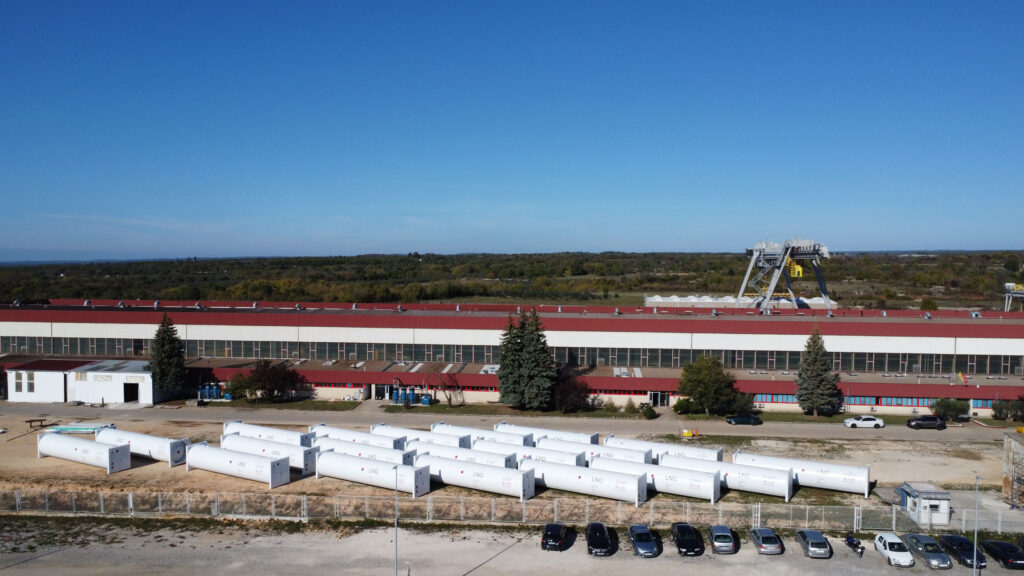
If you look at the global supply of Liquefied Natural Gas containers, you might wonder why the market is not yet completely saturated with these units. The answer is not a lack of overwhelming market interest, but rather a massive strategic pivot. In the previous period, the company focused its immense manufacturing capabilities on preparing for a singular, monumental task. The strategic orientation was to scale the factory to meet the colossal demands of the market, with a projected manufacturing capacity of a staggering five thousand containers per year. This foresight built a foundation of heavy industrial manufacturing that is now being unleashed on the broader global energy transition.
While the exact logistical routes these containers travel remain closely guarded secrets of the end users, their true power is not where they go, but how they survive the journey. The defining moment in the history of this company was the absolute mastery of thermal defense. They solved the ultimate problem of insulation.

The Holy Grail of Thermal Defense
During the rigorous development phase, the engineering team tested every industry standard available. They tried traditional multi-layer insulation. They tried perlite powder. They tried every known solution on the market, but none of these systems could achieve the brutal, uncompromising targets the engineers had set. The standard materials settled, they crumpled under the vibrations of transit, and they ultimately failed to hold the extreme cold.
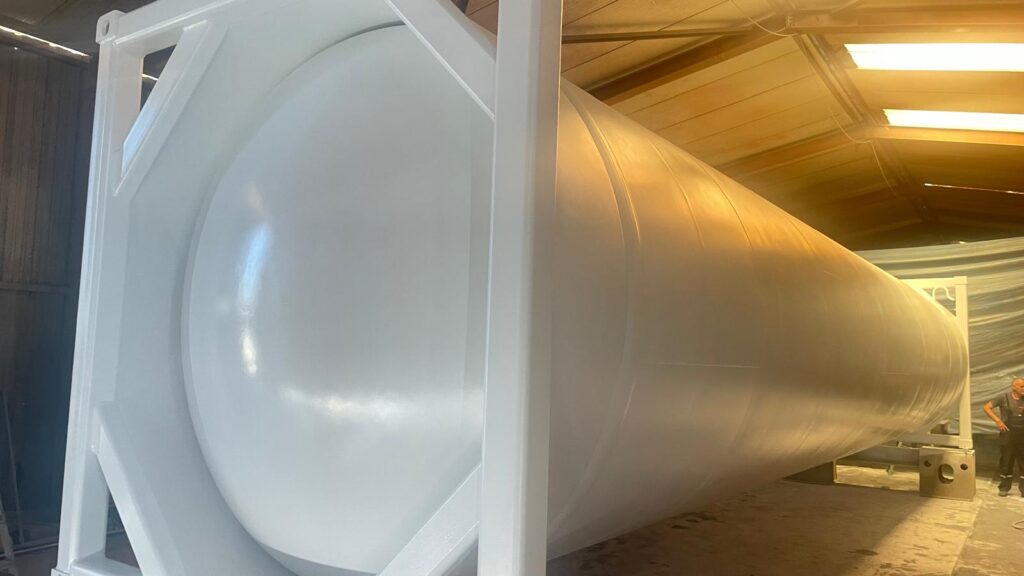
To solve this, the team abandoned standard practices and engineered a proprietary powder insulation that perfectly fills one hundred percent of the intermediate space between the vessel walls. They combined this with a highly specialized chemical compound that physically binds the insulation material directly to the cryogenic inner vessel.
When this proprietary shield is combined with a crushing vacuum pulled down to 0.003 millibars, the results defy standard physics. The system achieves a holding time with zero daily gas losses and an exceptionally low boil-off rate. This exact technology transforms the container from a simple transport vessel into a highly reliable mobile storage and distribution system. It is utilized heavily in demanding industrial applications like power plants, production facilities, and complex energy processing plants.
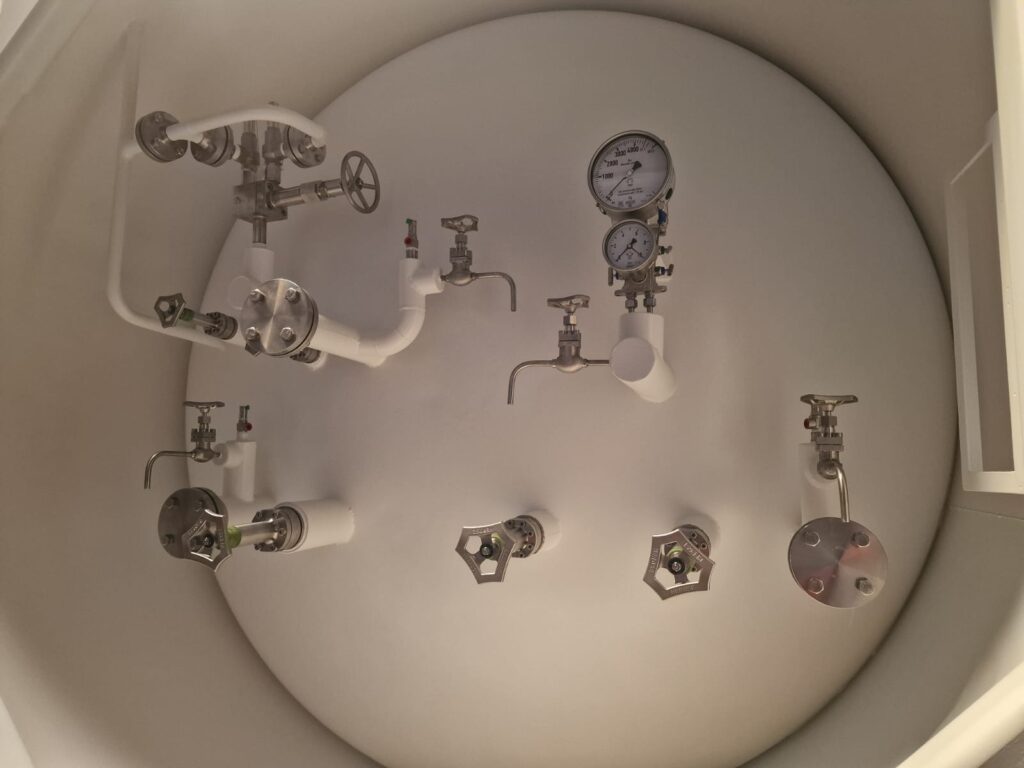
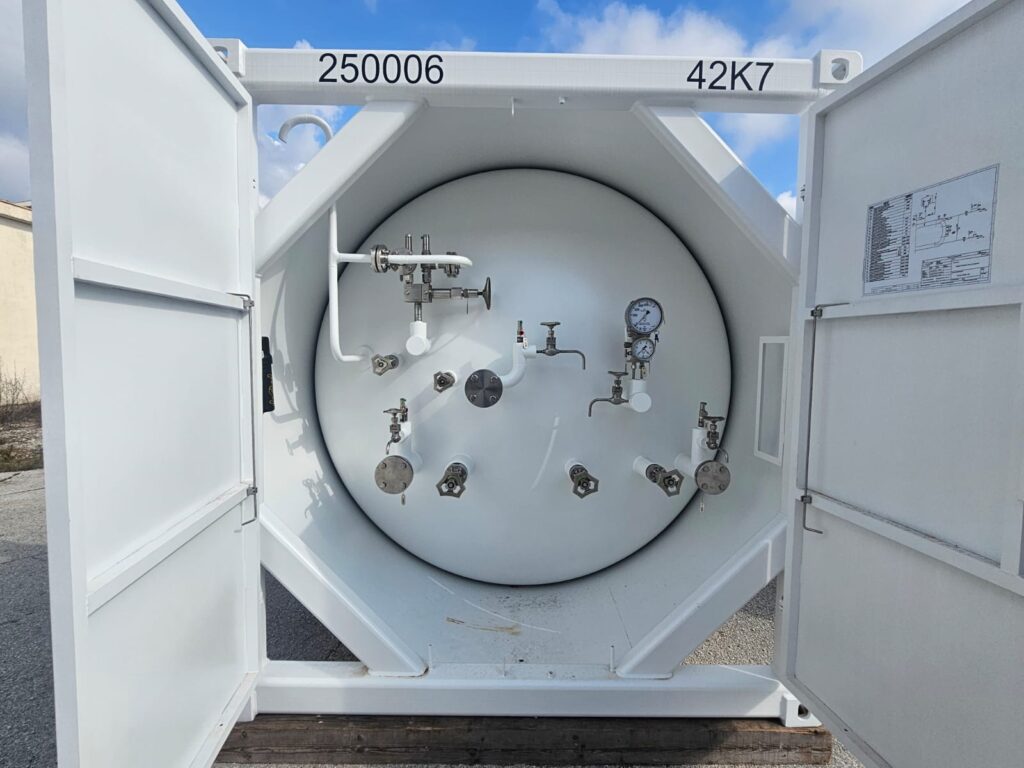
Because this powder insulation and high vacuum combination almost entirely neutralizes the impact of external thermal radiation, the engineers were able to achieve something remarkable. They placed the entire piping system completely inside the insulated and vacuumed space. In the realm of extreme cryogenics, hiding the vulnerable pipes inside the vacuum chamber is the ultimate gold standard of modern quality, confirming their absolute dominance in handling demanding logistics.

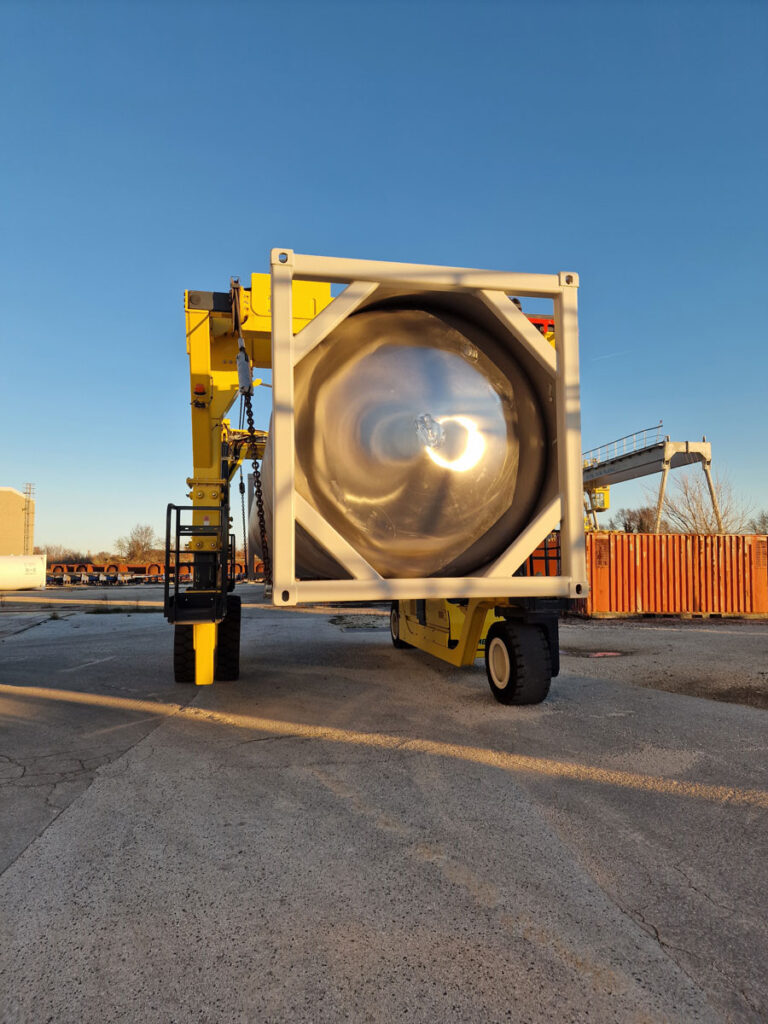
The Trial by Fire
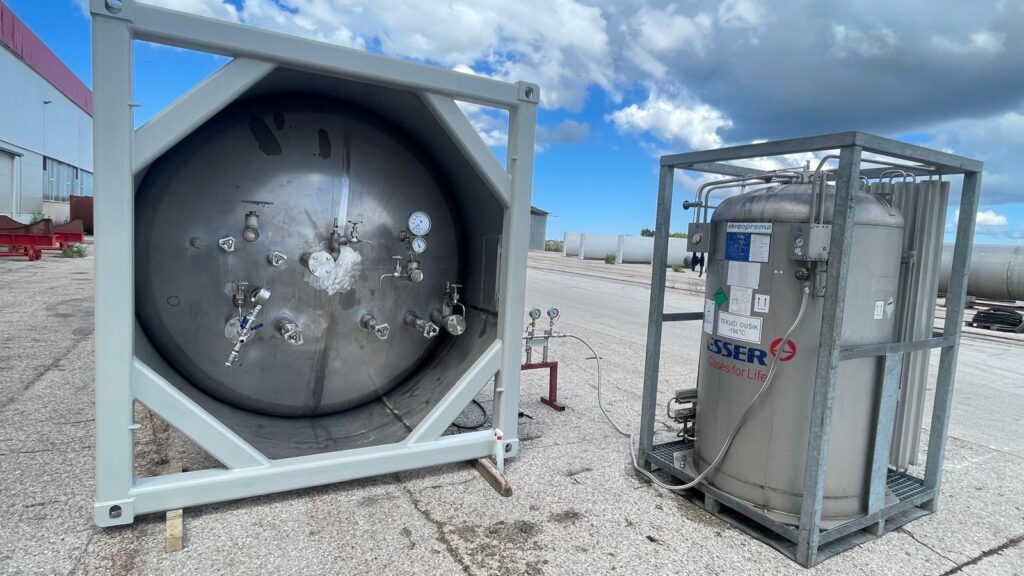
The stability of this vacuum is guaranteed to last through years of brutal exploitation, but the company did not just rely on computer models to prove it. They took a forty-foot Liquefied Natural Gas container, filled it to the brim with liquid cargo, and subjected it to a punishing physical test.
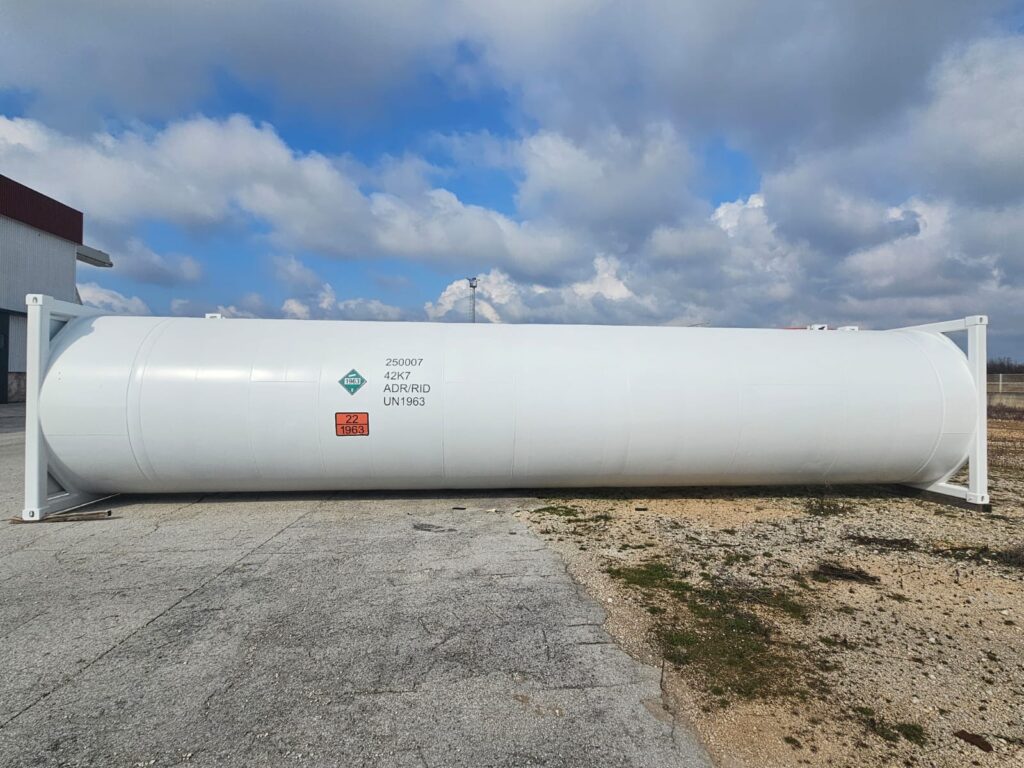
They placed the loaded container in an environment with an average ambient temperature of thirty-eight degrees Celsius. Even under that relentless heat, the container achieved a flawless holding time of eighty-six days, with a total cargo retention time stretching to an incredible one hundred and eighty-six days. Those numbers do not just represent safety. They represent a massive technological advantage in long-term storage.
Taming the Volatile Giant
When we look at the future of mobility and green energy, hydrogen is the undeniable protagonist. But taming liquid hydrogen is an engineering nightmare. It requires an environment chilled to negative two hundred and fifty-nine degrees Celsius. To understand why this is necessary, you have to look at the brutal mathematics of volumetric density.
The forty-foot ISO hydrogen container engineered by Cryo Trans Tech holds a maximum payload of 2,467 kilograms of liquid hydrogen. In its deeply frozen liquid phase, that mass occupies roughly 34.85 cubic meters of space. However, if you allow that same mass of hydrogen to warm up and expand into a gas, it undergoes a violent transformation. Depending on the exact temperature and pressure, the substance expands approximately eight hundred times.
At standard reference conditions of zero degrees Celsius and one atmosphere of pressure, the 2,467-kilogram payload explodes into roughly 27,448 cubic meters of gas. If the ambient temperature is fifteen degrees Celsius at one bar of pressure, the volume swells to 29,369 cubic meters. This relationship perfectly illustrates the absolute necessity of cryogenic transport. You are taking a massive cloud of energy that would require a fleet of standard pressurized trucks and compressing it into a single, highly efficient liquid footprint.
To protect this dense energy, the system utilizes its proprietary vacuum and powder defense. The entire pipeline is shielded. The result is an unprecedented holding time of forty-four days. The daily evaporation rate is an almost imperceptible 0.35 kilograms per day, which equals just 0.014 percent of the payload. It is a masterpiece of thermal preservation.
The Helium Extremity and the Universal Multi Tool
While hydrogen is demanding, helium is one of the most unforgiving elements in the universe. To transport it as a liquid, it must be chilled down to negative two hundred and sixty-nine degrees Celsius. At this temperature, standard steel becomes glass. The helium variant of the container defends a 4,343-kilogram payload for up to sixty-six days, completely locking out the heat while bearing a staggering top stacking weight of 213.360 kilograms.
These specific capabilities have transformed these containers into specialized Original Equipment Manufacturer solutions that power the most critical sectors on earth. In the energy sector, they provide biological liquefied natural gas to off-grid consumers, microgrids, remote island communities, and massive mining operations. In the metallurgical world, they deliver liquid nitrogen, oxygen, and argon for cutting and heavy heat treatment. In the petrochemical industry, they secure volatile methane and ethylene for process cooling.
They are the silent heroes of the healthcare industry, delivering medical oxygen to hospitals and securing liquid helium for superconducting magnets in life-saving magnetic resonance imaging machines. In the global food supply chain, they provide the liquid nitrogen required for rapid freezing and protective atmospheres, ensuring global food security.
God Mode Telemetry and the Unbroken Chain
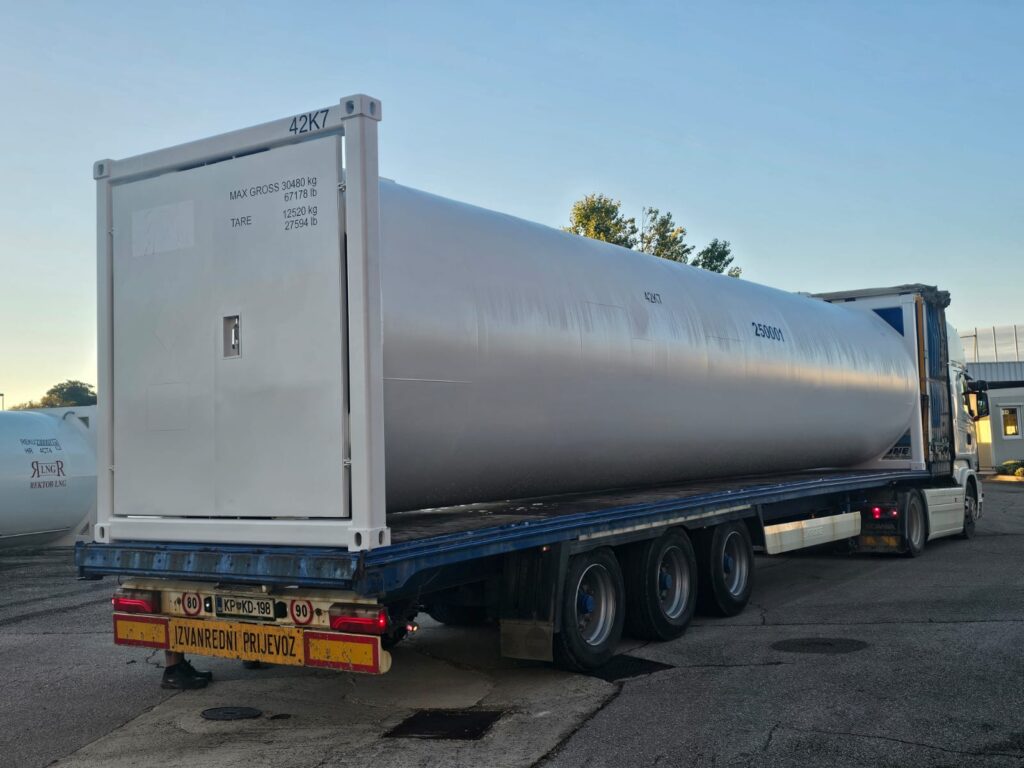
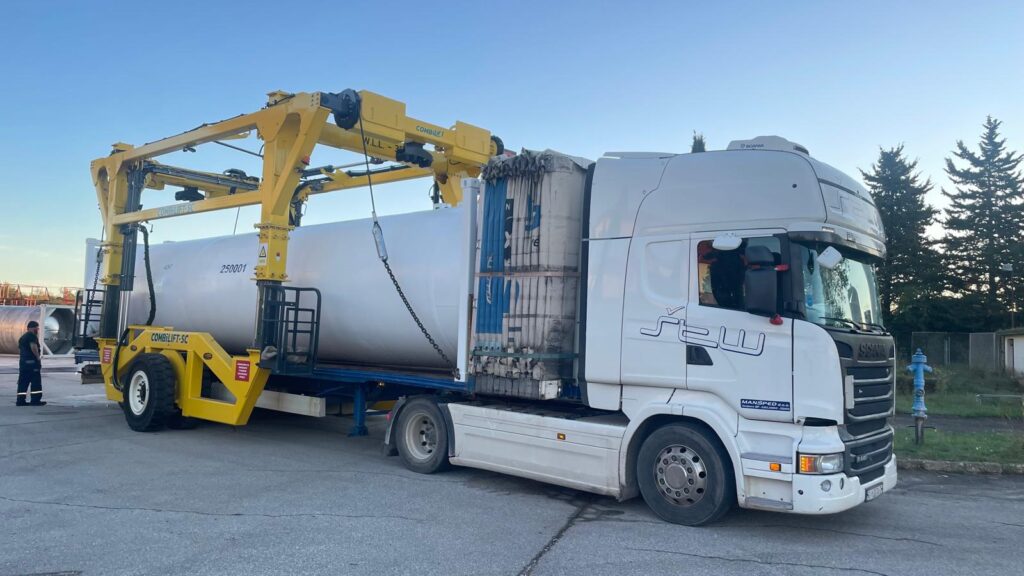
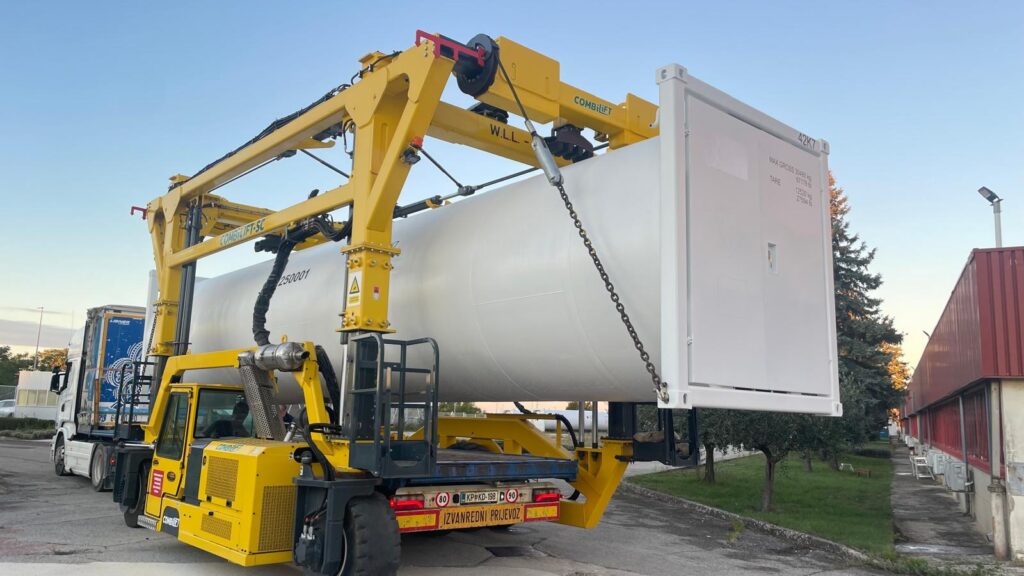
The true magic of the intermodal supply chain is that the cryogenic payload is never exposed. The liquid is pumped in at the source, and the single ISO container moves seamlessly from the back of a transport truck, onto a heavy rail line, and into the hull of an ocean freighter without ever transferring the liquid to another tank.

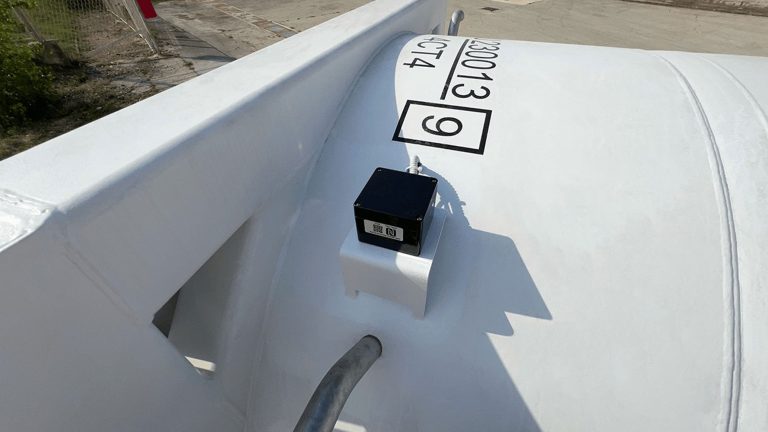
To ensure the safety of this unbroken chain, physical armor is paired with digital intelligence. Every single container is linked to a cloud-based operations center via a sophisticated GPS tracking system. This remote monitoring grants operators a god-mode view of the global fleet. They track real-time geolocation, the exact level of the liquid phase, the internal vessel pressure, and the external ambient temperature.
It is the ultimate digital failsafe. An invisible tether connecting thousands of kilograms of volatile, freezing liquid back to a master control room.
In the end, this is not just manufacturing. It is the creation of isolated pockets of frozen time. They have taken the most extreme environments in the universe, boxed them in stainless steel, and made them survive the chaos of the global supply chain.