





Peru is moving toward establishing a new renewable hydrogen and green ammonia export platform with the approval of a major port infrastructure project designed to support future clean fuel markets.
The National Port Authority (APN), an entity linked to the Ministry of Transport and Communications (MTC), has granted Port Authorization to Horizonte de Verano SAC for the development of a maritime terminal and associated hydrogen and ammonia production facilities.
The project, known as Horizonte de Verano, represents an attempt to position Peru within the emerging global green ammonia supply chain, where countries with strong renewable energy potential are seeking opportunities to produce low carbon fuels for industrial and maritime applications.
The planned infrastructure will be developed in five phases, with a total estimated investment of approximately $540 million. The first stage represents an investment of around $120 million and is expected to begin operations toward the end of 2029, according to project information released by the APN.
The initial phase includes two single buoy moorings, underwater pipelines, and a maritime terminal equipped with ammonia storage facilities. The terminal will feature thermally insulated tanks designed to store ammonia under cryogenic conditions, along with submarine pipeline systems intended to transfer ammonia directly to specialized tanker vessels.
A desalination plant is also included in the project design, supporting the production process by providing water resources for hydrogen generation. This component reflects a key consideration for green hydrogen projects in coastal regions, where access to water must be balanced against environmental constraints and local resource availability.
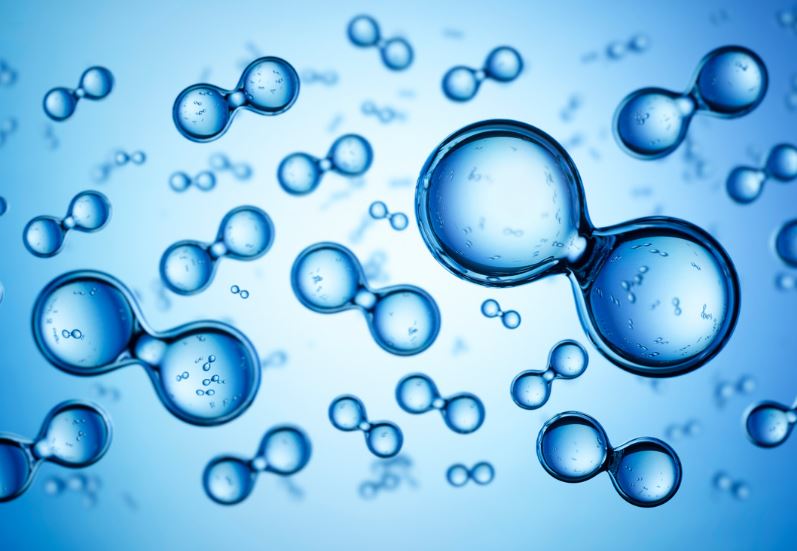
The core of the development is a green hydrogen and ammonia production facility that will rely exclusively on renewable electricity from sources such as solar and wind. Unlike conventional ammonia production, which is primarily based on natural gas through processes such as steam methane reforming, green ammonia production uses renewable power to generate hydrogen through electrolysis and combines it with nitrogen separated from air.
The project’s proposed use of seawater and air as feedstocks highlights the role of integrated infrastructure in reducing reliance on fossil based inputs. However, the overall emissions performance will depend on the full lifecycle of the project, including renewable electricity sourcing, desalination energy requirements, equipment manufacturing, and transportation logistics.
Green ammonia has gained attention as a potential carrier for renewable energy and a lower carbon fuel option for sectors that are difficult to electrify, particularly maritime transport, heavy industry, and fertilizer production. The International Energy Agency has identified hydrogen based fuels as important components of long term decarbonization strategies, although cost competitiveness remains a major barrier.
For Peru, the project aligns with broader efforts to develop new energy export opportunities based on its renewable resources. The country’s solar potential, particularly in coastal and southern regions, has increased interest from developers exploring renewable hydrogen production. At the same time, the success of such projects will depend on securing long term offtake agreements, building export infrastructure, and competing with emerging green ammonia hubs in regions with lower production costs.
The port component is central to the project’s commercial viability. Ammonia storage, handling, and marine loading systems require specialized infrastructure due to ammonia’s chemical properties, including its toxicity and the need for strict safety management. Developing dedicated terminals could help create the logistics capacity needed for future international trade in renewable fuels.
The Horizonte de Verano development also reflects a wider trend in Latin America, where countries are evaluating hydrogen and green ammonia as tools for industrial transformation and energy diversification. Chile, Brazil, and Uruguay have also pursued hydrogen strategies aimed at leveraging renewable resources for domestic use and export markets.
However, large scale green fuel projects continue to face uncertainty around demand, pricing, and certification standards. International buyers are increasingly seeking guarantees regarding emissions reductions, meaning producers will need to demonstrate that hydrogen and ammonia meet evolving sustainability requirements.
With operations targeted for the end of 2029, Horizonte de Verano will enter a market that is expected to become more competitive as global hydrogen hubs mature. Its progress will depend not only on engineering execution but also on whether renewable hydrogen costs decline sufficiently and whether global demand for low carbon ammonia develops at the scale required to support multi hundred million dollar investments.