




The Dutch government is committing €450 million ($515 million) to develop the Netherlands’ first underground hydrogen storage cavern, underscoring a growing recognition across Europe that hydrogen production targets cannot be achieved without parallel investment in storage infrastructure.
The funding will support state owned transmission system operator Gasunie as it develops the first of four planned hydrogen storage caverns at Zuidwending in the country’s north.
The investment addresses one of the least developed components of the hydrogen value chain. While governments have directed billions of euros toward electrolyzer deployment and renewable hydrogen production, commercial scale hydrogen storage has advanced more slowly because of uncertain market demand, long development timelines, and significant upfront capital requirements.
Under the HyStock project, former natural gas salt caverns at Zuidwending will be repurposed to store up to 6,000 tonnes of hydrogen each. The facilities are intended to supply industrial users while also providing fuel for power generation during periods of high electricity demand or reduced renewable generation. The first cavern is expected to enter operation in 2031.
The location offers strategic advantages beyond its geological suitability. Zuidwending previously served as a natural gas storage site, reducing some of the technical uncertainty associated with underground storage development. It is also located close to Gasunie’s emerging national hydrogen transmission network, which is being designed to connect major industrial clusters including Rotterdam, Groningen, and Chemelot while establishing cross border links with Germany.
According to Industrial Info Resources, the Netherlands currently has 34 green hydrogen projects under development with a combined investment value of approximately $4.5 billion. At the same time, the Dutch Hydrogen Strategy targets 4 GW to 8 GW of electrolyzer capacity by 2030, supported by repurposed natural gas infrastructure, import facilities centered around the Port of Rotterdam, and extensive public funding.
The government’s decision reflects growing concern that hydrogen production, transport, and consumption cannot expand independently. Large scale renewable hydrogen production is inherently variable because it depends on electricity generated from wind and solar resources. Without sufficient storage capacity, excess hydrogen produced during periods of abundant renewable electricity may be curtailed, while shortages could emerge during periods of lower renewable generation or higher industrial demand.
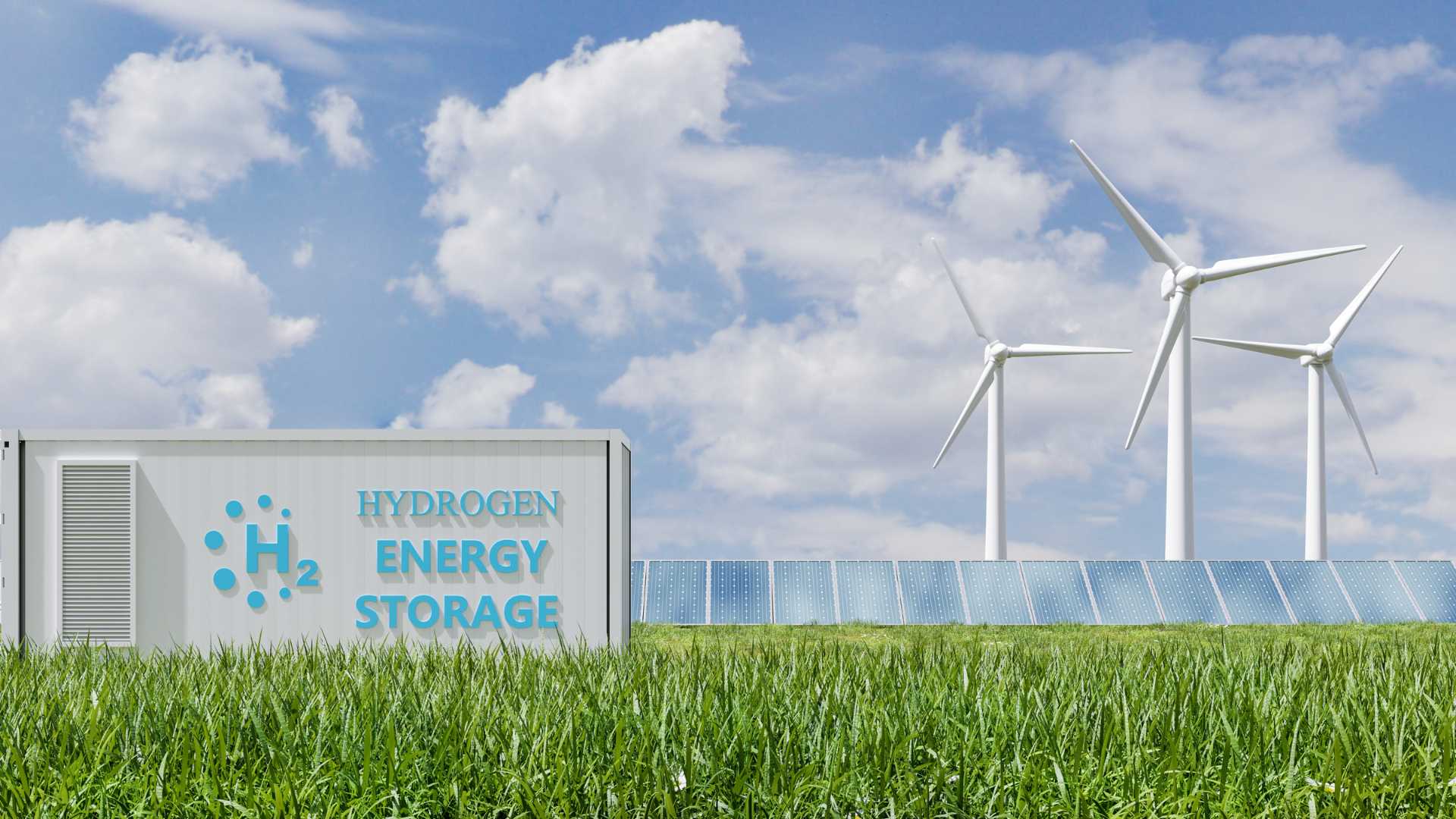
Officials argue that synchronizing investment across production, transportation, consumption, and storage is essential to creating a functioning hydrogen market. Underground storage enables hydrogen generated during periods of surplus renewable electricity to be retained for later use, improving system flexibility while supporting industrial consumers that require reliable year round supply.
The government also acknowledged that commercial developers remain reluctant to finance large hydrogen storage projects without public support. Unlike mature natural gas infrastructure, hydrogen storage lacks established market pricing, utilization history, and long term customer commitments. Officials identified three principal investment risks: uncertainty surrounding the future cost of cushion gas required for cavern operation, the possibility that storage facilities may remain underutilized during the market’s early years, and permitting delays that can significantly extend project development schedules.
Those concerns are amplified by the long investment horizon. The government estimates that hydrogen storage projects typically require 10 to 15 years from concept to commercial operation, exposing developers to policy changes, technology evolution, and uncertain market conditions over more than a decade.
Gasunie has been advancing the Zuidwending project since 2022. The site was formally selected in 2025, exploratory drilling and cavern leaching began earlier this year, and HyStock recently awarded HyAlliance, a joint venture between Bilfinger and Jorritsma Bouw, the contract to construct the above ground facilities associated with the underground storage complex.
The Dutch approach reflects a broader shift in European hydrogen policy. Early hydrogen strategies focused primarily on electrolyzer deployment and renewable electricity expansion, assuming market forces would gradually develop complementary infrastructure. Increasingly, governments are recognizing that storage, pipeline networks, import terminals, and industrial demand must be developed simultaneously to avoid bottlenecks that could delay commercialization.