


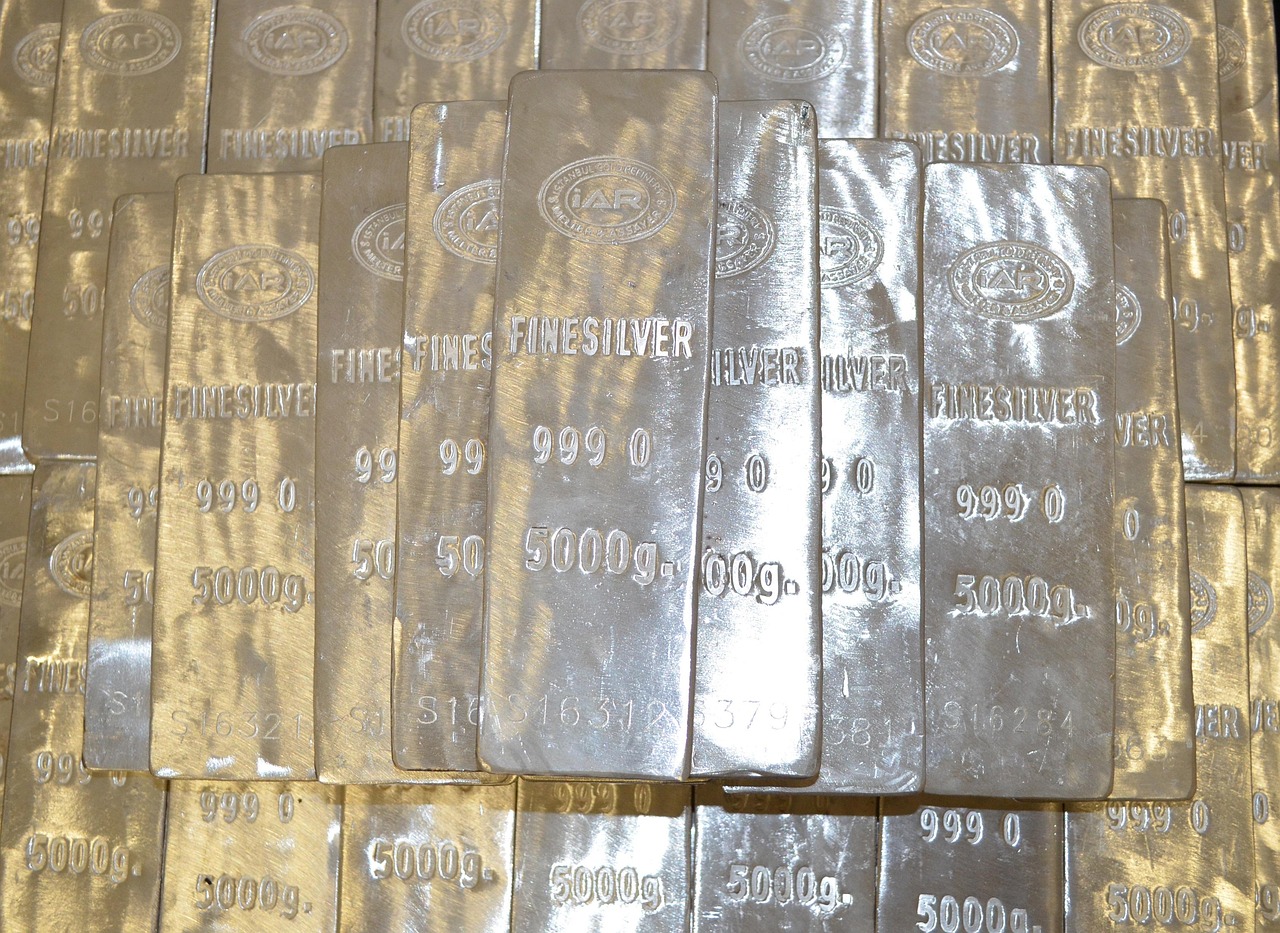

Global demand for silver continues to climb, driven by its critical role in electronics, solar panels, and other clean technologies, yet only around 20 percent of supply is currently recycled.
A research team at the University of Helsinki has demonstrated a method for silver recovery that avoids the toxic chemicals traditionally used in recycling, offering a safer and potentially more sustainable approach to capturing the metal from waste streams.
The technique relies on fatty acids, hydrogen peroxide, and visible light to dissolve silver and reconvert it into metallic form. Fatty acids, organic molecules commonly found in plant oils, replace strong mineral acids or cyanide in the dissolution step. Hydrogen peroxide serves as the oxidizing agent, gradually converting silver on the metal surface into positively charged ions that enter the solution. Laboratory tests showed that the solution could hold up to 4.6 percent of its weight in dissolved silver, with dissolution rates reaching 1.62 moles per square meter per hour.
Once dissolved, the silver ions bind to the fatty acids to form silver carboxylates. Adding ethyl acetate induces crystallization, allowing the silver-containing material to be separated while the acids are recovered for reuse. Solid metallic silver is then recovered through photoreduction, exposing the silver carboxylates to visible light emitted by compact fluorescent lamps. The process converts silver ions back into particles of metallic silver without leaving persistent chemical residues, and hydrogen peroxide breaks down into water and oxygen.
The method is particularly suited for urban mining, targeting silver embedded in complex waste products such as silver-coated plastics from electronic components. In tests, the technique selectively dissolved silver while leaving most base metals intact, indicating potential for selective recovery from mixed-material waste streams.
Postdoctoral researcher Anže Zupanc, who led the study, emphasized the importance of recycling silver to mitigate supply risks as consumption grows. Silver use in photovoltaic technologies alone reached approximately 5.5 million tonnes in 2023, highlighting the material’s strategic significance in clean energy deployment. The method’s ability to recover silver efficiently while maintaining a closed-loop system for reagents could reduce reliance on primary mining and minimize environmental impacts.


