






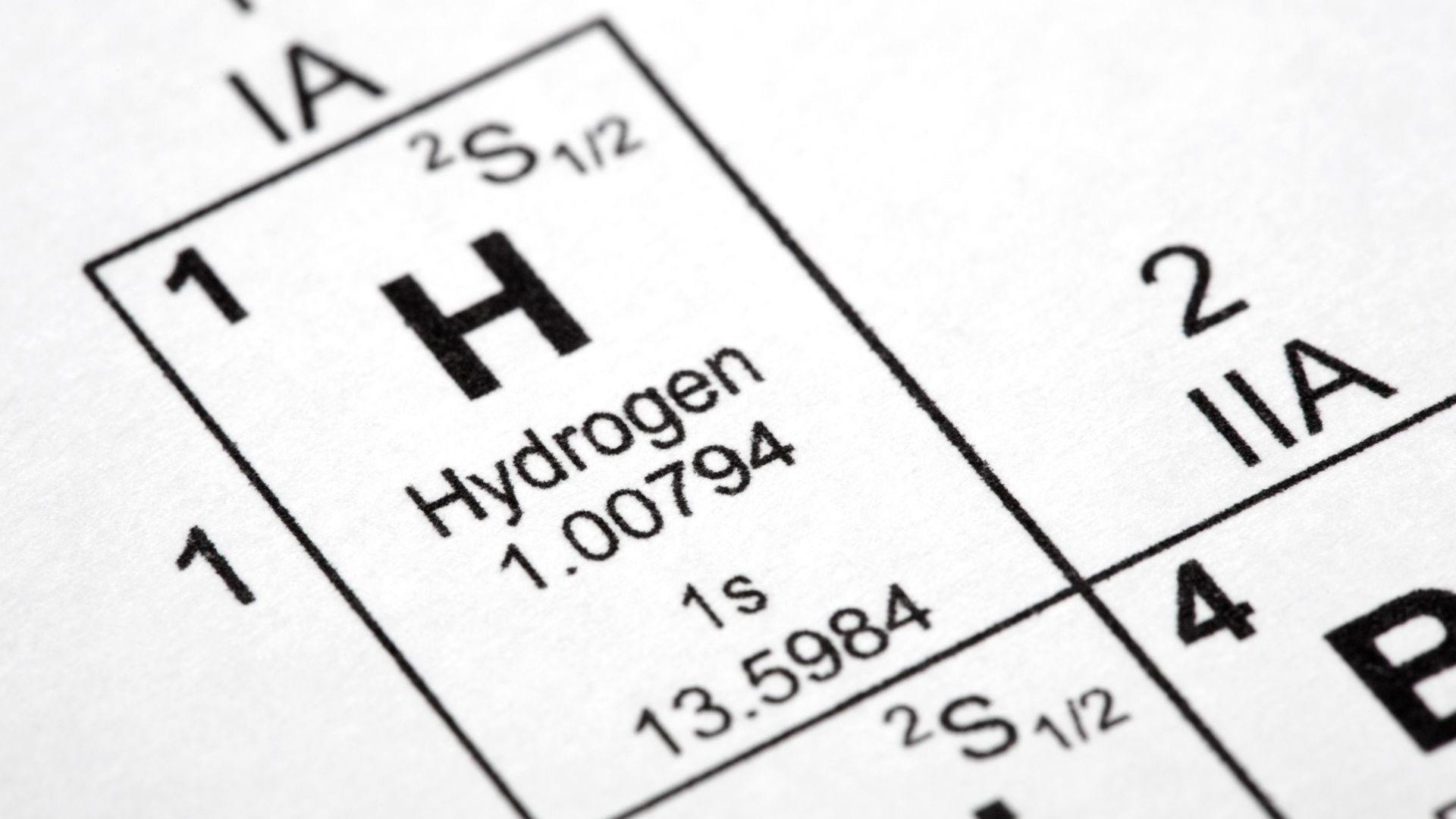
Global low-carbon hydrogen demand is projected to surge from roughly 1 million tonnes per annum today to nearly 200 million tonnes by 2050, according to Wood Mackenzie, intensifying the search for alternative production pathways.
While green hydrogen remains the most widely pursued solution, production costs ranging from $6 to $12 per kilogram have limited its widespread adoption. In this context, white hydrogen, a naturally occurring form of subsurface hydrogen, is attracting renewed attention as a potentially cheaper and cleaner option.
White hydrogen, also referred to as natural hydrogen, forms when groundwater interacts with iron-rich rocks through serpentinization, releasing hydrogen that can either seep to the surface or become trapped in low-permeability rock formations. The U.S. Geological Survey’s 2024 assessment estimates global subsurface hydrogen reserves could range between 1 billion and 10 trillion tonnes, although the recoverable fraction remains largely unknown. If exploitable at scale, white hydrogen could theoretically be produced for less than $1 per kilogram in reservoirs located near end-users, making it a highly attractive alternative to cost-intensive green hydrogen.
Operational experience with white hydrogen remains extremely limited. Currently, the Bourakébougou field in Mali is the only functioning project, providing electricity to a small village. Despite this, exploration activity is increasing in France and the United States. In France, researchers discovered deposits while surveying abandoned mines in the Lorraine region in 2023, followed by further findings in Moselle, totaling an estimated 92 million tonnes, with an implied market value of approximately $92 billion. Mantle8, a geological research firm, has secured funding to deploy advanced geophysical and geochemical imaging technologies to map white hydrogen reservoirs and monitor their capacity, with exploratory drilling slated for 2028 in southwest France.
In the United States, Oklahoma State University has launched a research program, funded with $25,000, to assess natural hydrogen potential across the state. Prem Bikkina, leading the initiative, notes Oklahoma’s subsurface characteristics and existing oil infrastructure provide a unique advantage for development, potentially accelerating commercial readiness once viable reserves are identified.
Despite optimism, technical and economic uncertainties remain significant. Key challenges include locating reservoirs, understanding accumulation mechanisms, determining recoverable volumes, and designing extraction methods that are both efficient and safe. Eric Gaucher, co-leader of the International Energy Agency’s white hydrogen expert group, cautions that while a commercially viable discovery could transform the market, expectations must remain measured given the current gaps in knowledge.
Industry observers highlight that white hydrogen could complement green and blue hydrogen strategies, particularly in regions with limited renewable resources or high electricity costs. Its potential low-cost production and minimal carbon footprint make it attractive for industrial and power generation applications. However, scaling production will require significant research investment, advanced geoscience capabilities, and pilot projects to validate reservoir behavior under extraction conditions.
Emerging initiatives in France and the United States indicate the sector is entering an exploratory phase. If white hydrogen proves commercially extractable, it could provide a strategic domestic energy source, reducing reliance on imported hydrogen and fossil fuels.