


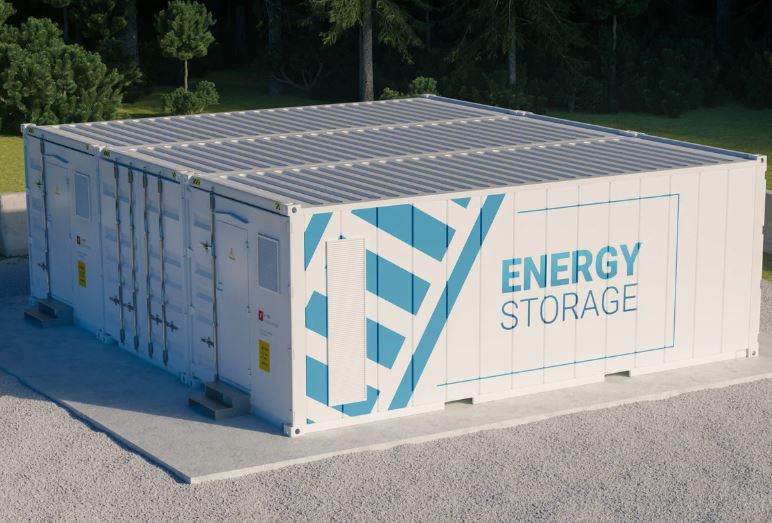


The approval of Recurrent Energy’s Tillbridge project comes at a moment when the UK grid is under intensifying pressure to absorb higher volumes of variable renewables. With the project’s 800 MW of solar PV paired with a 500 MW, 1,000 MWh battery system, it enters the upper tier of hybrid assets nationwide, both in terms of capacity and strategic function. The annual output estimate of 857.6 GWh positions the development as a material contributor to local supply during periods of tightening margins, particularly as the UK continues to face elevated balancing costs driven by intermittency and network constraints.
The decision by the Secretary of State for Energy Security and Net Zero signals continued policy momentum toward large-scale hybrid configurations. These assets are increasingly viewed as essential in mitigating curtailment trends that have grown in recent years. While the UK surpassed 50 GW of installed renewable capacity, system operators have been forced to spend over a billion pounds annually in constraint payments. Projects combining high-capacity solar with multi-hour storage are being assessed not only on generation potential but on their ability to reduce those system-level inefficiencies.
Beyond generation, the Tillbridge project incorporates a planned 64.44 percent net biodiversity gain for local habitats. This requirement reflects the tightening regulatory environment for utility-scale developments following concerns about cumulative landscape impacts in counties with high solar density. Environmental improvements and expanded public access infrastructure are increasingly becoming prerequisites for planning approval rather than value-adds.
Recurrent Energy projects the creation of 1,250 construction-phase jobs and claims over 15 million tonnes of avoided CO₂ over the project’s lifetime. Figures of this scale are frequently scrutinized because lifetime-based emissions avoidance often relies on projected grid-carbon trajectories rather than fixed baselines. However, the broader trend remains clear. Large-scale hybrid assets can materially improve renewable penetration when paired with sufficient storage duration, particularly as the UK accelerates coal-to-gas displacement and future hydrogen-compatible generation pathways.
The project also arrives at a time when its parent company, Canadian Solar Inc., is experiencing a complex financial and operational landscape. Shares have risen 173 percent in six months, according to InvestingPro, despite the company carrying a debt load of roughly 6.65 billion dollars. The market response appears tied less to balance-sheet strength and more to expectations of strategic restructuring and regional expansion.
Recent quarterly earnings reinforce that duality. Canadian Solar posted 1.5 billion dollars in Q3 2025 revenue, outperforming analyst expectations of 1.37 billion dollars. Yet the firm reported a loss per share of 0.58 dollars, below expectations of a 0.42 dollar loss. The disconnect underscores persistent margin pressure across module manufacturing and energy storage system integration, areas heavily affected by commodity volatility and shifting U.S. trade policies.
In parallel, Canadian Solar is consolidating control of its U.S. operations and initiating reshoring initiatives, including the formation of CS PowerTech, in which it will hold a 75.1 percent controlling stake. The new entity is intended to lead U.S.-based manufacturing of modules, cells, and advanced storage systems, aligning with a broader pattern of manufacturers repositioning supply chains in response to the Inflation Reduction Act’s domestic content incentives. Oppenheimer’s subsequent decision to raise its target price from 21 to 38 dollars reflects investor confidence in these adjustments, particularly around margin recovery and operational integration rather than short-term profitability.
Taken together, the approval of Tillbridge and Canadian Solar’s internal restructuring illustrates the twin pressures shaping today’s utility-scale solar-plus-storage markets. National energy systems are demanding projects that both add capacity and alleviate system-level inefficiencies, while manufacturers and developers navigate financial risk, policy incentives, and supply-chain repositioning. These dynamics will determine whether large-scale hybrid assets like Tillbridge deliver their projected value in real-world grid conditions.


