


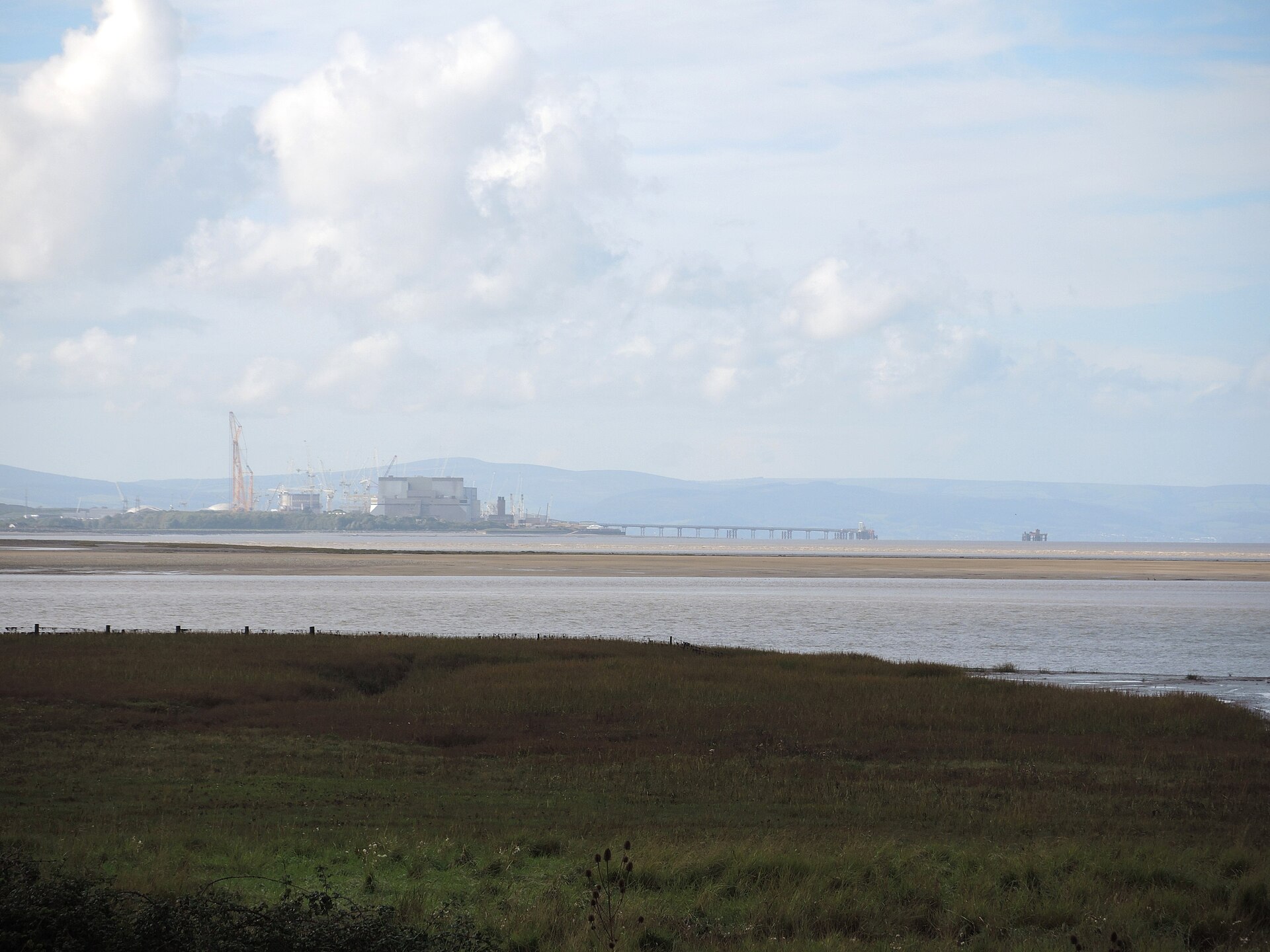


The Environment Agency issued variation EPR/ZP3238FH/V004 for the Hinkley Point C Power Station permit on 6 October 2026 and published it on 9 October. It adds 37 smaller backup generators to the 12 diesel generators covered by the 2013 permit, sets a limit of no more than 500 operating hours a year for all existing and additional generators, and raises the total permitted thermal input of the combustion plant by about 67 MWth to about 243 MWth.
What the variation changes
The permit granted in 2013 allowed the operation of 12 backup diesel generators, the Essential Diesel Generators and the Ultimate Diesel Generators, which the permit earlier called Station Blackout Diesel Generators. Design changes since then mean these differ from the plant assessed in the original application, so they are updated in this variation. The operator, NNB Generation Company (HPC) Limited, also asked for 37 smaller backup generators.
| Item | Before the variation | Variation V004, 6 October 2026 |
|---|---|---|
| Backup generators | 12 (EDGs and UDGs) | 12 updated, plus 37 smaller: 49 in total |
| Operating limit | Not stated in the decision document | No more than 500 hours a year for all existing and additional generators |
| Total permitted thermal input | About 176 MWth (derived from the stated increase) | About 243 MWth, an increase of about 67 MWth |
The agency describes the generators as safety classified standby equipment, used only in the event of a power failure, for maintenance, and for periodic testing and commissioning. It says the changes are designed to improve the resilience of the site in a loss of off site power. The 500 hour limit is about 5.7 percent of the 8,760 hours in a year, while the permitted thermal input rises by roughly 38 percent.
How the agency assessed it
No Best Available Techniques conclusions apply to this activity, so the agency assessed the proposal against its guidance on emergency backup diesel engines and the principles in the Large Combustion Plant reference document. Where standard combustion expectations conflict with nuclear safety requirements, it considered the operator’s justification and whether other techniques would protect the environment better. It states that diesel generators are the preferred option in the design of pressurised water reactors around the world, because power must be restored to essential systems almost at once.
The fuel is gas oil with a sulphur content of no more than 0.001 percent by weight, or an equivalent fuel agreed in writing. Hydrotreated vegetable oil is the only substitute the agency has agreed can be used without a site specific assessment, and the operator must notify the agency before first using it. Any other substitute needs written agreement beforehand.
Air, noise and water
The air quality assessment used the worst case loss of off site power scenario, with all generators operating at once and continuously, and was based on the operator’s air quality modelling addendum of May 2026, submitted on 6 June 2026. Four European sites lie within 10 km: the Severn Estuary Special Area of Conservation, Special Protection Area and Ramsar site, and the Exmoor and Quantocks Oakwoods Special Area of Conservation about 6 km to the southwest. The Somerset Levels and Moors was also considered. Bridgwater Bay and Blue Anchor to Lilstock Coast are the two sites of special scientific interest within 2 km, and Natural England agrees with the agency’s methodology and conclusions.
The agency concludes that generator noise, which it expects to be highly localised, continuous and non impulsive, will not cause significant adverse effects at nearby homes or damage the integrity of any European site. The nearest substantial intertidal mudflat is over 1 km from the site and the nearest saltmarsh 2.5 km. Water discharges stay under the existing Water Discharge Activity Permit EPR/HP3228XT, with fuel stored in bunded rooms and drains routed through oil and water separators.
The decision document gives no dates for when the extra generators are expected to be installed. This is a permit variation, not a start up milestone. For other nuclear licensing this week, see the three NRC filings covering seven reactors and Poland’s nuclear programme and its 2036 date. Sources: Environment Agency permit and decision document, variation V004, published 9 October 2026.
Add EnergyNews.biz as a preferred source on Google


