




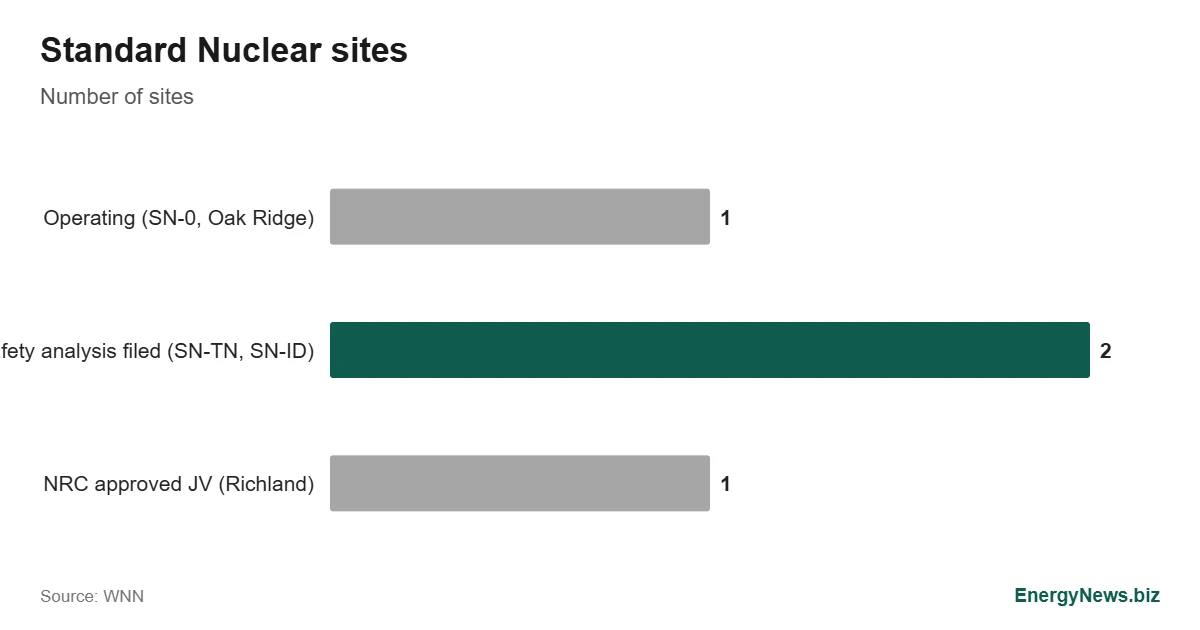
Standard Nuclear, a producer of TRISO fuel, has submitted documented safety analyses for two new production plants to the US Department of Energy, according to World Nuclear News. The two plants are identical: SN-TN in Tennessee and SN-ID in Idaho. The analysis for SN-TN was filed on 6 November and for SN-ID on 12 November.
Both are Hazard Category 2 nuclear facilities and remain subject to DOE review and approval. The DOE approved preliminary safety analyses for both sites in July 2026.
Why TRISO fuel matters
TRISO fuel consists of tiny uranium kernels coated in layers of carbon and ceramic. Each particle acts as its own containment, which allows reactors to run at high temperatures with a strong safety margin. Many advanced reactor designs, including high-temperature gas reactors and some microreactors, depend on it.
Supply is a bottleneck. Several advanced reactor developers have plans for first cores in the late 2020s, but production capacity for TRISO fuel in the United States is small. Most designs also need high-assay low-enriched uranium (HALEU), which is enriched to between 5% and 20% uranium-235 and is itself in short supply.
Until recently, Russia was the only commercial supplier of HALEU, and imports from Russia are now restricted. The US Department of Energy has started programmes to build domestic HALEU production and to allocate early batches to reactor developers, but volumes remain small for the next few years.
That scarcity makes every new fuel plant important. Reactor developers often say fuel, not reactor hardware, is the item most likely to delay their first units. Several have signed early supply agreements with fuel makers to secure a place in the queue, and some are paying for production lines in advance.
Standard Nuclear’s sites
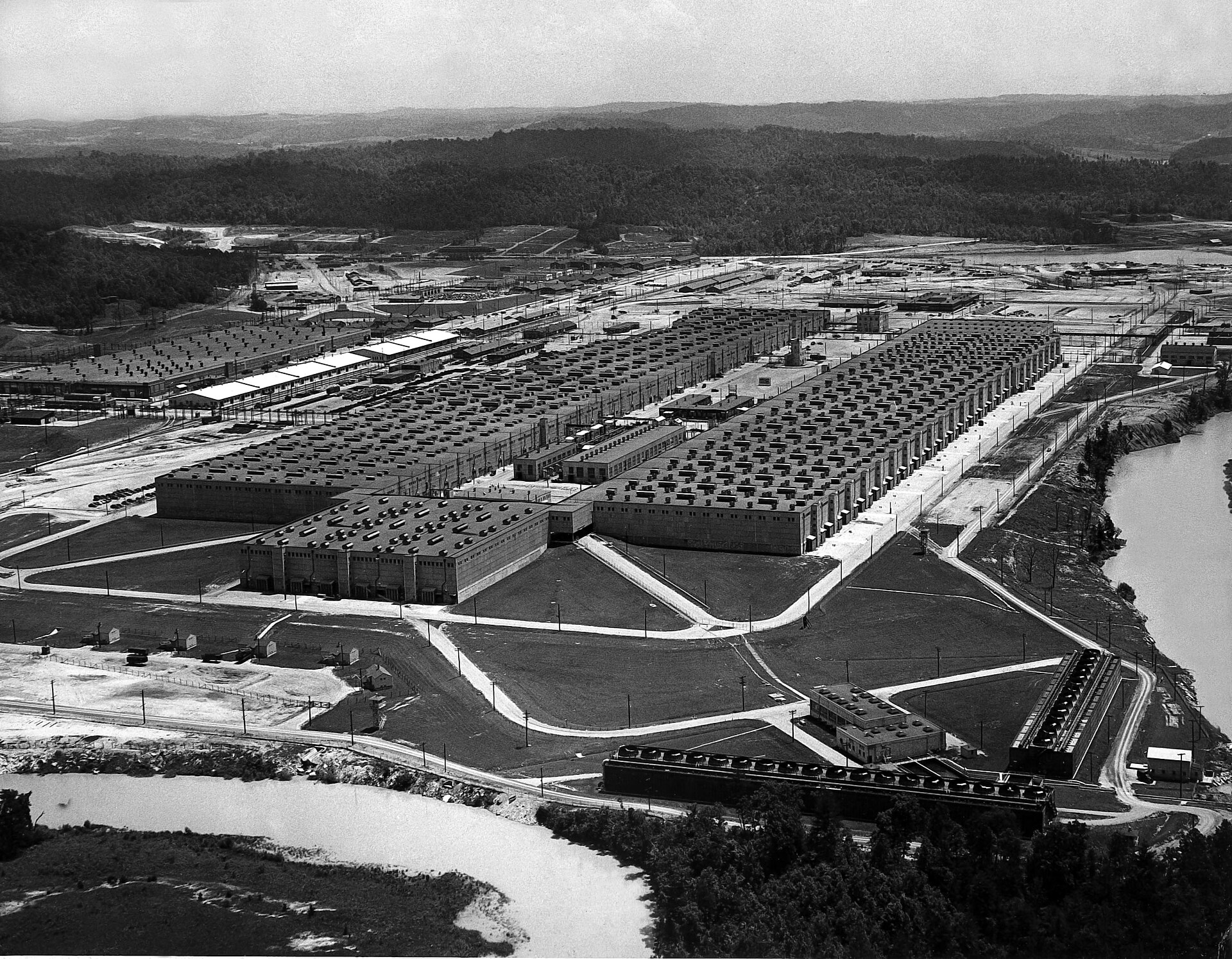
Standard Nuclear already operates SN-0 in Oak Ridge, Tennessee, on the former K-25 site, where it produces DOE-authorised HALEU TRISO fuel. Through a joint venture with Framatome, it also holds Nuclear Regulatory Commission approval for TRISO fuel production in Richland, Washington. The company describes itself as reactor-agnostic, meaning it supplies fuel to several reactor developers rather than one.
Chief executive Kurt Terrani leads the company, which supplies both commercial and government customers. It said approval of the new safety analyses would let it fill existing fuel production orders for 2027.
DOE route versus NRC route
The new plants are being licensed under DOE authority rather than by the NRC. This route is used for facilities that support government programmes, such as fuel for test and demonstration reactors on DOE sites. It can be faster than full commercial licensing, which helps developers who need fuel for early reactors. Commercial plants selling power to the grid will still need fuel from NRC-licensed facilities, which is why the Richland approval is also important.
The push comes as US interest in nuclear grows quickly, from state plans such as New York’s advanced nuclear programme to data centre operators looking for firm clean power. Domestic uranium supply is also tight, so fuel makers depend on a small number of enrichment and conversion sources.
What it means for reactor developers
For developers, more TRISO fuel capacity reduces one of the biggest risks to their schedules. A first core can take many months to fabricate, and any delay in fuel can hold up a reactor that is otherwise ready. Two more plants with identical designs should also make it easier to scale output and keep quality consistent between sites.
What to watch
The milestone to watch is DOE approval of the two safety analyses. Once approved, the first TRISO fuel shipments from SN-TN and SN-ID in 2027 will show whether the United States can supply advanced reactors on the timelines developers have promised.
Add EnergyNews.biz as a preferred source on Google


