


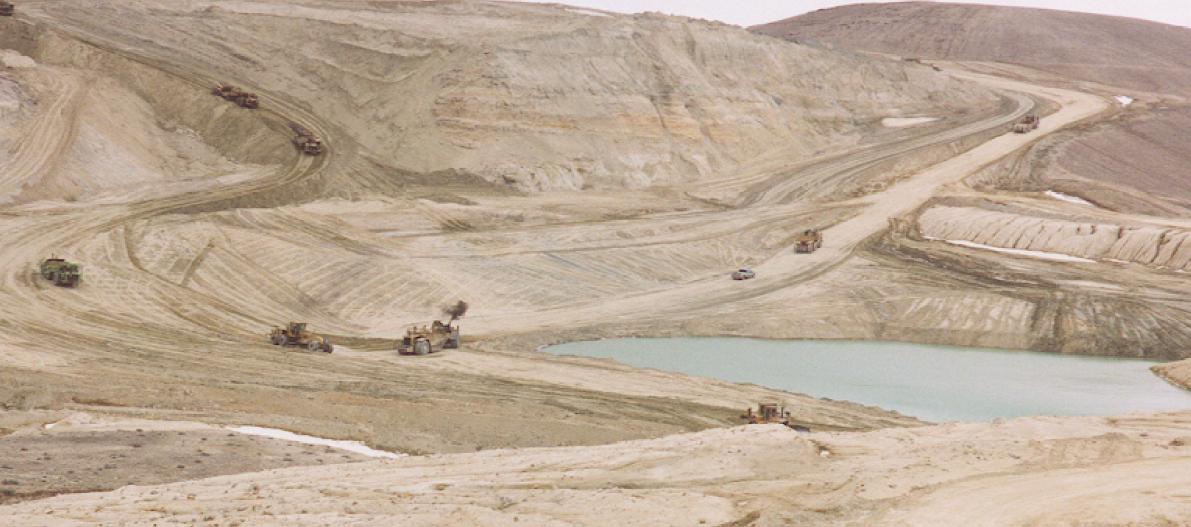


Peninsula Energy has temporarily shut down its Lance uranium operations in Wyoming after a cybersecurity incident affected the plant and wellfield operating and control systems, World Nuclear News reported on 26 November. The company’s US subsidiary Strata Energy identified the incident on the morning of 20 November. Peninsula announced it to the Australian Securities Exchange on 25 November.
The company isolated the affected systems, notified US authorities and hired external cybersecurity consultants, forensic advisers and legal advisers. It said the incident appears limited to plant and wellfield control systems. Corporate and administrative systems in the US and Australia, including payroll and financial administration, were not affected. Potential data impacts are under investigation.
When Lance uranium output can restart
“Operations at Lance will remain suspended until the necessary recovery and verification programme is completed,” the company said. It will give an update on the restart timeline in the coming days. Peninsula said it cannot yet say whether the incident will materially affect its production guidance for calendar 2027, and will reassess once operations resume.
The timing is difficult. Lance restarted in 2024 after a five-year pause. In its quarterly update of 29 October, managing director and chief executive George Bauk said the ramp-up was taking longer than expected, but that operational improvements would “translate into materially higher rates of uranium production in the coming months”.
The size of the Lance uranium project
In September 2026 Peninsula reported an updated mineral resource of 59.0 million pounds of U3O8, or 22,694 tonnes of uranium. Lance uses low-pH in-situ recovery, in which a weak acid solution is pumped through the ore body underground and the uranium is recovered from the solution at a central plant.
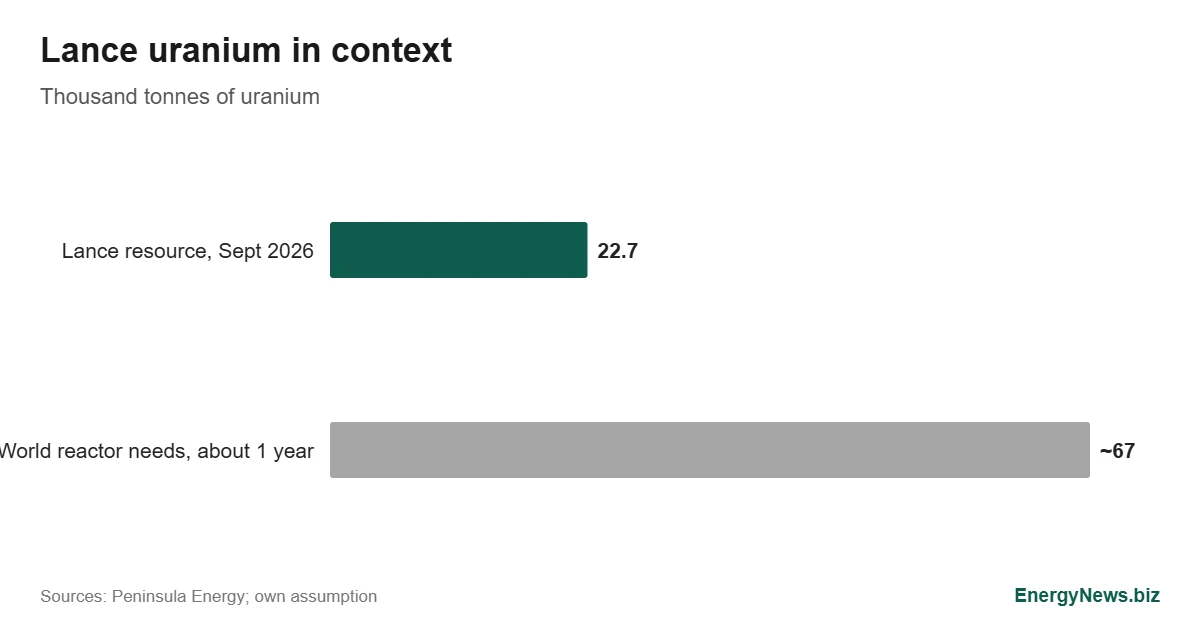
For scale, world reactors need in the order of 65,000 to 70,000 tonnes of uranium a year. The whole Lance resource equals about a third of one year of global demand, spread over many years of mining. A short outage therefore has little effect on world supply, but it matters for the US, where domestic production is small and utilities want more of it.
Why a control-system attack matters at a uranium mine
An in-situ recovery operation runs on pumps, valves, flow meters and chemical dosing in the wellfield and the plant. If attackers reach the control layer, the risk is not only stolen data. Wrong flow rates or chemical levels can affect recovery, equipment and environmental compliance, because the wellfield must keep the solution within set boundaries underground. That is why operators shut down and verify every system before restarting, even if no damage is visible.
Energy companies face the same problem across grids, power plants and pipelines. European regulators now treat remote access to equipment as a security issue, as in the EU’s restrictions on inverters from high-risk suppliers. Nuclear fuel suppliers are part of the same chain; Rosatom’s role in fuel supply, for example, is covered in this report on Russian nuclear construction.
Lance uranium and US supply policy
US policy has pushed for more domestic uranium since Congress banned imports of Russian enriched uranium from 2028, with waivers before then. Projects like Lance uranium in Wyoming are meant to fill part of the gap. Utilities that signed offtake contracts with Peninsula will watch the restart closely, because a long outage at a small producer can force them to buy in the spot market. Investors will also ask whether Lance uranium recovery rates suffer after a stop, since wellfield chemistry needs time to stabilise when pumping resumes.
What to watch
- Peninsula’s restart timeline, promised in the coming days.
- Any finding on how the attackers gained access, which other ISR operators will want to know.
- Whether Peninsula revises its 2027 production guidance.
- Contract deliveries to US utilities, which may need to come from inventory if the outage lasts.
Add EnergyNews.biz as a preferred source on Google


