


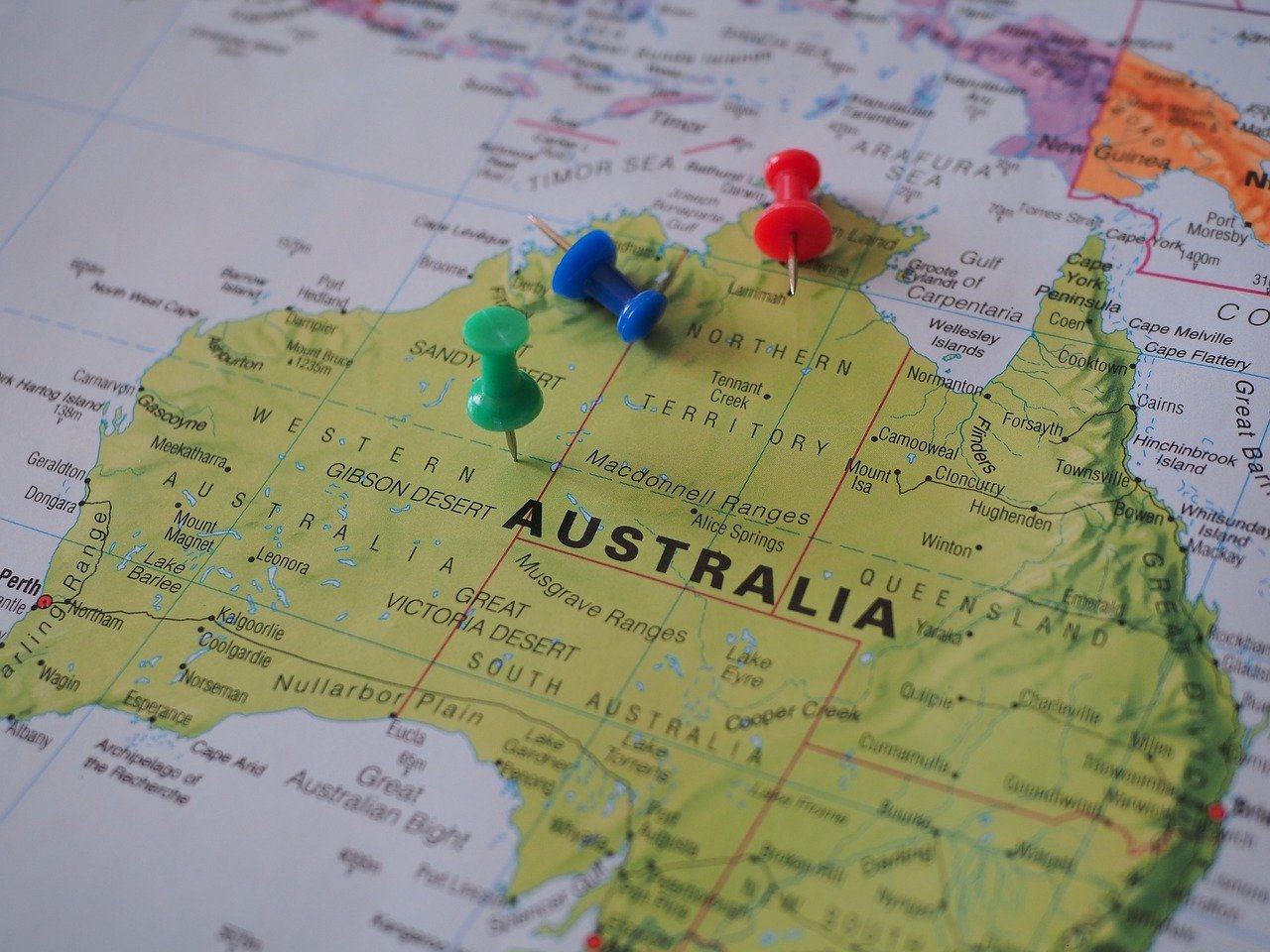


Australia has shortlisted seven hydrogen derivative projects totaling 2.18GW of electrolysis capacity under the second round of its Hydrogen Headstart program, but the government’s decision to halve the available funding highlights growing pressure to narrow support toward projects viewed as commercially defensible rather than politically ambitious.
The Australian Renewable Energy Agency reduced the second-round allocation from AUD $2 billion to AUD $1 billion as part of the federal government’s broader AUD $63.8 billion savings program. The reduction comes after the first funding round exposed the fragility of Australia’s hydrogen pipeline, with several projects failing to progress amid weak market demand and deteriorating project economics.
Under the first Hydrogen Headstart round launched in 2023, six projects were initially shortlisted, but only two ultimately secured support totaling AUD $1.2 billion. That attrition rate raised concerns over whether Australia’s hydrogen strategy had moved ahead of realistic demand signals, particularly for export-oriented projects dependent on future global fuel markets that remain underdeveloped.
The second-round shortlist reflects a noticeable shift toward hydrogen derivative projects tied to identifiable industrial demand rather than purely speculative export volumes. Most of the selected developments target methanol, ammonia, fertilizers, aviation fuels, or metals processing, sectors where direct electrification remains difficult and where policy-driven decarbonization pressures are intensifying.
Australian Renewable Energy Agency CEO Darren Miller acknowledged the sector’s financing challenges, describing renewable hydrogen as “complex” and “capital-intensive,” while emphasizing its role in industrial decarbonization.
That framing reflects the broader reality confronting global hydrogen markets. Large-scale electrolysis projects continue to struggle with high capital costs, uncertain long-term offtake agreements, electricity pricing exposure, and infrastructure bottlenecks. Even in markets with strong renewable resources like Australia, developers remain heavily reliant on subsidies, tax credits, or government-backed contracts to support investment decisions.
Several shortlisted projects focus on e methanol production, reflecting increasing interest from the shipping sector as maritime operators seek alternatives to conventional bunker fuels ahead of tightening emissions regulations.
Abel Energy’s Bell Bay Powerfuels project in Tasmania plans to use 300MW of electrolysis capacity to produce 300,000 tonnes of methanol annually for aviation and shipping markets. The project would be built at the site of a decommissioned oil-fired power station, highlighting how former fossil fuel infrastructure is increasingly being repositioned for low-carbon industrial development.
European Energy Australia’s South East Queensland Power-to-X project also centers on green methanol production, initially using 150MW of electrolysis with ambitions to scale toward 3.6GW under earlier development plans. That scale-up potential is significant, although many large hydrogen projects globally have revised timelines or phased deployment strategies due to financing constraints and slower-than-expected market formation.
Tasmania appears prominently across the shortlist because of its renewable electricity profile and existing industrial infrastructure. HIF Global’s HIF Tasmania e-Fuel project in Burnie aims to produce 210,000 tonnes of e methanol annually using 140MW of electrolysis. The project has completed pre-front-end engineering design and entered environmental permitting, placing it among the more advanced synthetic fuel proposals in the country.
Meanwhile, Hamr Energy’s Portland Renewable Fuels project in Victoria proposes a different approach by combining biomass-derived syngas upgrading with 220MW of electrolysis to produce low-carbon methanol. Hybrid biomass-electrolysis configurations may offer emissions advantages and operational flexibility, though feedstock sourcing and lifecycle carbon accounting remain critical commercial considerations.
Ammonia and fertilizer production also remain central to Australia’s hydrogen ambitions, particularly given the country’s export-oriented resource economy.
Copenhagen Infrastructure Partners’s Murchison Green Hydrogen Project Stage 1B represents the second 500MW phase of a planned 1.5GW green ammonia development in Western Australia. The earlier Stage 1A secured support during the first Hydrogen Headstart round, suggesting policymakers continue to prioritize projects that have already advanced through initial financing and development hurdles.
Perdaman Chemicals and Fertilisers’ Perdaman Helios project in Karratha stands out as the largest electrolyzer proposal on the shortlist at 750MW. The facility aims to supply green hydrogen for urea production and is projected to produce more than two million tonnes of urea annually. Fertilizer-linked hydrogen projects may benefit from more established commodity markets compared with synthetic fuel exports, although profitability still depends heavily on renewable electricity costs and global fertilizer pricing cycles.
Industrial decarbonization within Australia itself also features more prominently in this funding round. The Gladstone Green Hydrogen project, backed by Sumitomo Corporation and Rio Tinto subsidiary Summit Hydro, aims to support alumina refining operations in Queensland. The 120MW project is intended to supply hydrogen for use at Rio Tinto’s alumina refinery, linking hydrogen production directly to emissions reduction within heavy industry rather than export markets alone.
That domestic industrial focus may prove increasingly important as governments reassess hydrogen strategies worldwide. Export-based hydrogen models have encountered growing skepticism because of transport costs, infrastructure complexity, and uncertain international demand growth. Projects tied to existing industrial consumption often present clearer commercial pathways, particularly where carbon reduction obligations are strengthening.
Australia still retains major structural advantages in renewable energy resources and available land for large-scale electrolysis deployment. However, the reduction in Hydrogen Headstart funding suggests policymakers are becoming more selective as fiscal pressures increase and project attrition exposes the gap between announced hydrogen capacity and financially executable developments.
The next stage of the program will require shortlisted developers to submit full applications by September, including detailed due diligence assessments. Those reviews are likely to focus not only on technical feasibility but increasingly on offtake certainty, financing resilience, electricity sourcing, and the credibility of long-term market demand assumptions that continue to define the economics of the global hydrogen sector.
Add EnergyNews.biz as a preferred source on Google


