


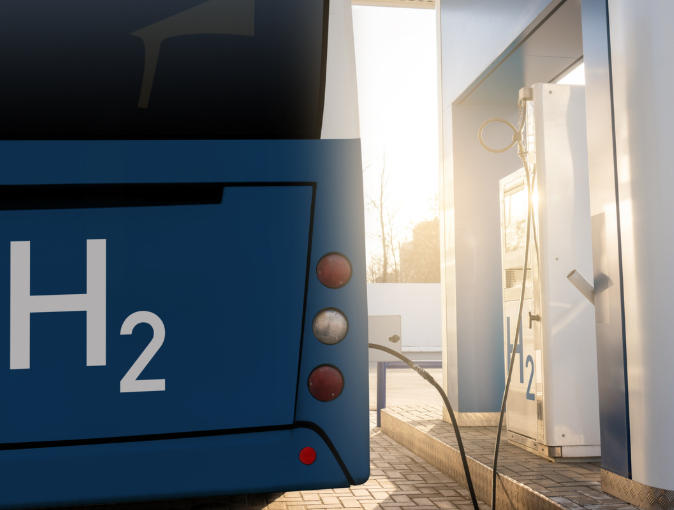


Barcelona’s public transport transition is reshaping the city’s bus fleet, with zero emission vehicles now accounting for one quarter of the network’s 1,140 buses.
Data from Transports Metropolitans de Barcelona (TMB) shows that between 2022 and 2025, the number of electric buses increased from 71 to 203, representing an increase of nearly 186%. Hydrogen buses, introduced into the fleet in 2022, expanded from eight vehicles to 46, a rise of 475%. At the same time, diesel buses declined from 265 to 177, reducing their presence by around one third.
The transition has been driven by TMB’s fleet renewal program, which aims to progressively replace the most polluting vehicles with zero emission models. The company’s objective is to move toward a fully zero emission fleet, although the timeline depends heavily on financing availability, infrastructure deployment, and the pace of vehicle procurement.
TMB CEO Xavier Flores said achieving a 100% zero emission fleet is technically possible but requires accelerated investment. European funding availability, in particular, is expected to influence how quickly the city can expand its clean transport capacity.
The environmental impact is already measurable. TMB reported that its sustainable mobility policies reduced approximately 288,700 tons of CO₂ emissions in one year, equivalent to the annual energy consumption of around 410,000 homes. However, the climate benefits of electrification extend beyond direct emissions reductions. Urban transport electrification also targets pollutants such as nitrogen dioxide (NO₂) and particulate matter, which have direct implications for public health.
Barcelona’s air quality data suggests that mobility changes are contributing to gradual improvements. The city recorded lower pollution levels across all stations of its Air Pollution Monitoring and Forecasting Network in 2025 compared with 2024, with reductions ranging from 4% to 12%. The l’Eixample monitoring station, located in one of the city’s busiest traffic areas, recorded NO₂ concentrations declining from 35 µg/m³ in 2023 to 33 µg/m³ in 2024 and 29 µg/m³ in 2025.
The city also reported that pollution related mortality decreased by 45% in 2025 compared with the 2018 to 2019 period, with estimated annual deaths attributable to poor air quality falling from around 1,900 to 1,100. Health authorities have linked reductions in transport emissions to lower exposure risks associated with cardiovascular disease, respiratory illness, neurological conditions, and other long term health impacts.
Despite the progress, replacing a large urban bus fleet requires more than vehicle purchases. Electric buses demand charging infrastructure, grid capacity planning, depot upgrades, and operational adjustments. TMB’s upcoming investments highlight this challenge. The city plans to introduce 30 additional zero emission buses through its 2026 to 2030 Bus Agenda, increasing the originally announced target of 25 vehicles.
Among the planned additions are 19 articulated 18 meter electric buses that will be charged overnight at TMB depots. The city has also approved the purchase of 18 electric double decker buses for Barcelona Bus Turístic and five electric minibuses for the Bus del Barri service.
Hydrogen buses remain part of the strategy, although their deployment is smaller compared with battery electric vehicles. The technology provides operational advantages for certain routes, particularly where longer ranges, shorter refueling times, or high utilization rates create challenges for battery systems. However, hydrogen infrastructure costs and fuel supply conditions remain important factors affecting large scale adoption.
Barcelona’s transport transformation is also linked to broader mobility policies aimed at reducing private vehicle dependence. City officials estimate that approximately 250,000 daily journeys currently made by private cars could shift toward public transport if connectivity improves beyond the city boundaries.
This requires investment not only in buses but across the wider transport network. Planned projects include extensions of metro lines, expansion of regional rail connections through Ferrocarrils de la Generalitat de Catalunya (FGC), and the tram connection along Diagonal Avenue. These measures are designed to increase public transport capacity and make alternatives to private vehicles more practical.
Add EnergyNews.biz as a preferred source on Google


