


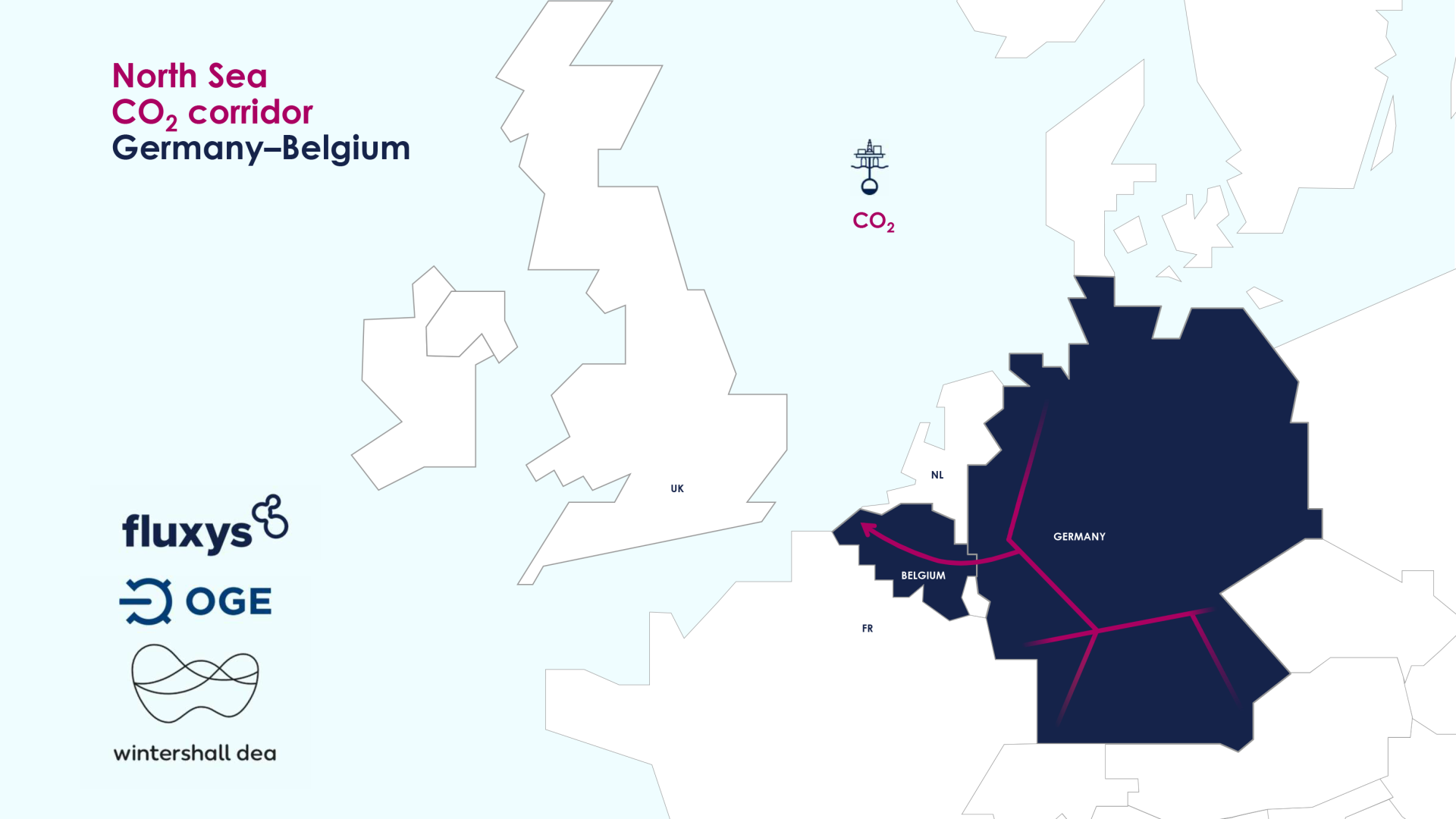


During the recent visit of the Belgian Royal Couple to Germany, three energy giants – Fluxys, OGE, and Wintershall Dea – inked cooperation agreement, ushering in a new era of cross-border collaboration in the realm of clean energy.
This landmark initiative, focusing on CO₂ transport infrastructure and hydrogen connections, signifies a resolute commitment from both nations towards decarbonization and a sustainable energy future.
The primary goal of this groundbreaking agreement is to construct a cross-border pipeline for the efficient transport of captured CO₂ from industrial zones in southern Germany to export hubs in Belgium. The subsequent storage of CO₂ in North Sea reservoirs aligns with both nations’ ambitions for substantial emissions reduction. Additionally, the collaboration seeks to build a robust hydrogen connection, fostering the transportation of clean hydrogen between Belgium and Germany.
The project envisions an open-access CO₂ infrastructure, championed by Fluxys Belgium, facilitating participation from various industries. OGE takes the lead in building the CO₂ transport pipeline network in Germany, while Wintershall Dea actively engages potential customers and contributes to the overall development of the CO₂ transport network. Simultaneously, Fluxys and OGE join forces to create a cross-border hydrogen connection near Eynatten, utilizing the latest advancements in hydrogen transportation technology.
Each energy company plays a crucial role in this tripartite collaboration. Fluxys Belgium spearheads the development and operation of the CO₂ transport pipeline network in Belgium, emphasizing an open-access approach. OGE takes on the responsibility of constructing the CO₂ transport pipeline network in Germany, ensuring a seamless cross-border flow. Wintershall Dea actively participates in developing the CO₂ transport network, engaging with potential customers and stakeholders.
The emphasis on open-access CO₂ infrastructure is a strategic move by Fluxys Belgium, ensuring inclusivity and encouraging diverse industries to partake in the decarbonization journey. This not only serves German industries but also facilitates internal CO₂ transport within Belgium, creating a collaborative and interconnected network.
With a visionary eye on the future, the CO₂ transport infrastructure aspires to achieve a capacity of 30 million tons of CO₂ per year by 2030. This ambitious target is poised to make a substantial contribution to the emissions reduction goals set by both nations, solidifying their commitment to combatting climate change.
The collaborative efforts of Fluxys and OGE extend beyond CO₂ transport to the construction of a cross-border hydrogen connection. Slated for completion by 2028, this hydrogen link aligns with the broader “European Hydrogen Backbone” initiative, reinforcing the pivotal role of hydrogen in the transition to a sustainable energy future.
The significance of this agreement extends beyond emissions reduction; it symbolizes a model for international cooperation in the face of climate change. By developing cross-border infrastructure, Belgium and Germany pave the way for cleaner energy, economic growth, and regional prosperity, setting a precedent for global sustainability endeavors.
Add EnergyNews.biz as a preferred source on Google


