





Gasunie and Thyssengas have formalized a Joint Development Agreement to establish the first cross-border hydrogen transport infrastructure connecting the Netherlands and Germany, signaling a significant step in Northwest Europe’s industrial decarbonization strategy.
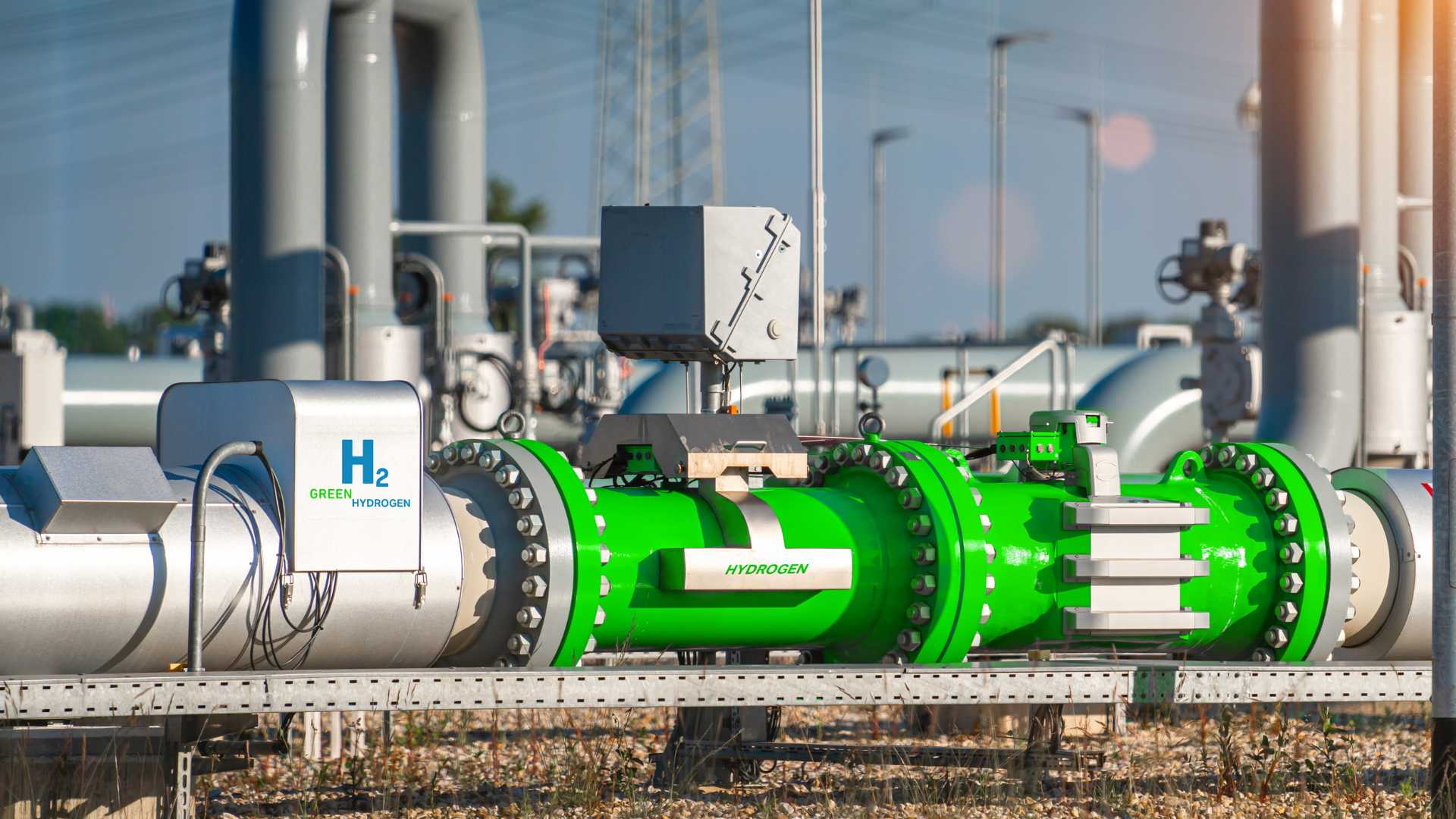
The project leverages converted natural gas pipelines to link Dutch ports and industrial hubs with Germany’s Ruhr region, creating a strategic transport axis that integrates production, storage, and consumption nodes.
The infrastructure involves Gasunie subsidiary Hynetwork Services, Thyssengas through Thyssengas H2 GmbH, and Gasunie Deutschland. Existing natural gas pipelines are being adapted for hydrogen transport, with key border crossings at Oude Statenzijl in Groningen and Vlieghuis in Drenthe. Thyssengas contributes its Vlieghuis-Ochtrup pipeline in North Rhine-Westphalia, with conversion work initiated in summer 2025. This section forms part of Germany’s core hydrogen network and is aligned with the GET H2 initiative, which supports industrial decarbonization across the Ruhr and Rhineland regions. Dr. Thomas Gößmann, Chairman of Thyssengas, emphasized that the system facilitates cross-border hydrogen flow and strengthens the German hydrogen core network while supporting industrial emission reductions.
The agreement establishes the technical and organizational framework for cross-border transport and is positioned as a foundational step toward broader Northwest European connectivity, including planned connections to Denmark. Helmie Botter, Gasunie Director of Hydrogen Transport, highlighted that integrated cross-border transport is essential for a functioning regional hydrogen market.
Parallel to the agreement, Gasunie is investing €2.5 billion in pipeline infrastructure, including an option for an additional €1 billion for CO₂ transport projects. The investment follows a large-scale European tender process, resulting in framework agreements with six pipeline suppliers: Cimolai, Corinth Pipeworks, Mannesmann Large-Diameter Pipe, Europipe, Mannesmann Line Pipe, and EEW. Each contract spans four years with options for two extensions of two years each, covering pipeline lengths and diameters necessary for both hydrogen and natural gas infrastructure.
The procurement strategy, executed through Gasunie’s “Management Delivery” system, allows strategic pipeline materials to be purchased directly from producers and distributed to contractors as needed. This approach ensures timely material availability for onshore projects and supports simultaneous infrastructure development across the northern Dutch hydrogen network, the Delta Rhine Corridor, and multiple pipeline projects in Germany. The framework agreements also provide flexibility to initiate mini-tenders, enabling efficient and scalable deployment of new energy infrastructure across both countries.
By linking Dutch production and import hubs with German industrial clusters and creating a framework for further cross-border expansion, the Gasunie-Thyssengas initiative establishes a critical backbone for hydrogen transport in Northwest Europe.