



The Glenrowan battery is the latest sign that Victoria’s state owned utility wants firm power, not just cheap solar. On Monday 2 November the State Electricity Commission (SEC) said it had replaced its existing 10 year power purchase agreement for the Glenrowan solar farm with a new 10 year deal that adds a battery of up to four hours of storage.
What the Glenrowan battery deal changes
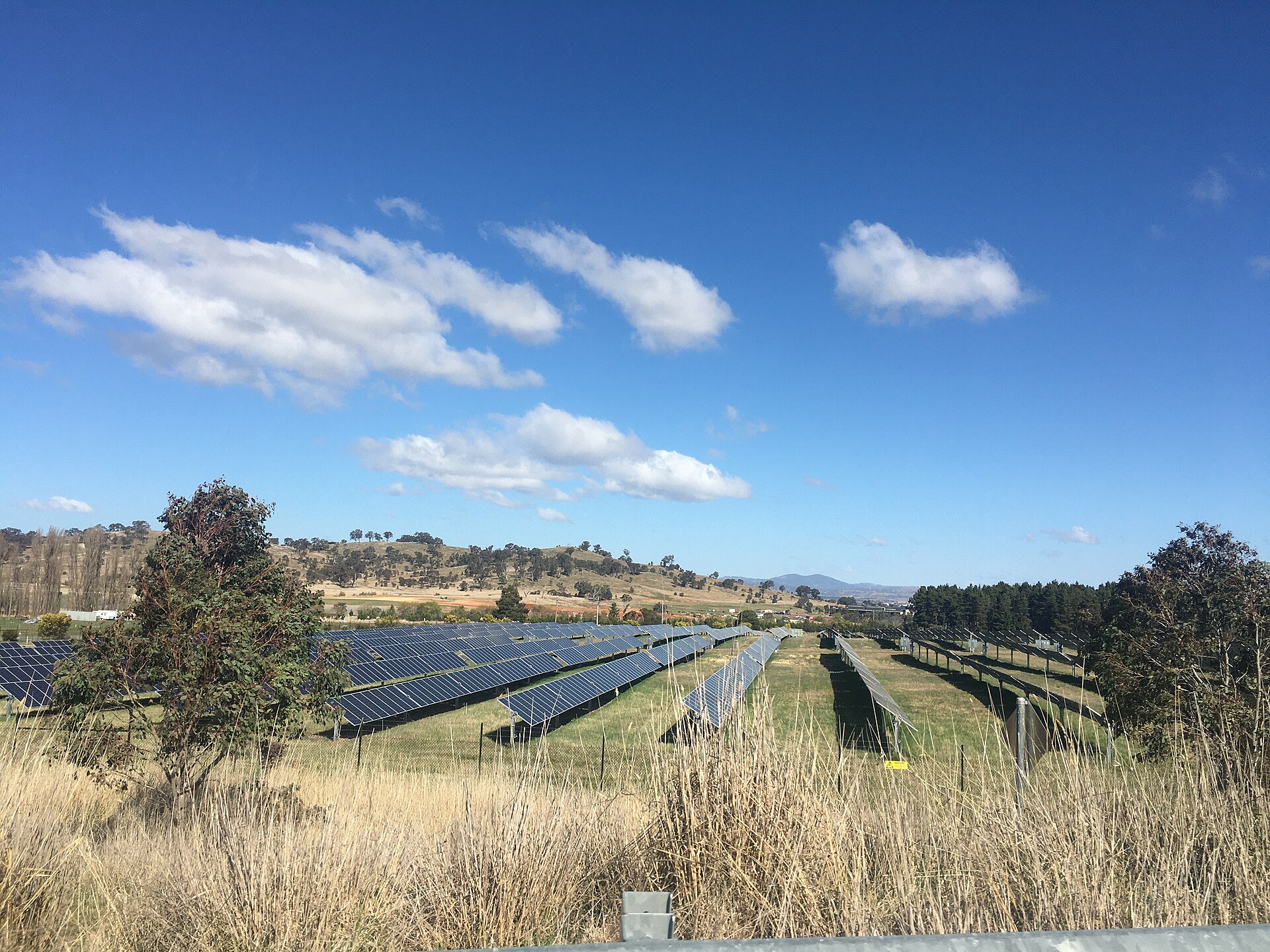
Glenrowan is a 130 MW solar farm in north east Victoria, developed by Pacific Partnerships, a Cimic Group company. It has delivered power to the SEC since May 2024 under a contract won through the state’s VRET auction scheme. The new agreement replaces that contract rather than sitting beside it, and it is again a 10 year deal.
The Glenrowan battery is rated at 102 MW and is described as up to four hours. It is approved for installation at the site. No energy capacity in megawatt hours has been published. Four full hours at 102 MW would be about 408 MWh, but that is a ceiling worked out from the headline figures, not a reported number.
Pacific Partnerships calls the project its first large scale battery hybridisation. The Glenrowan battery is expected to move to construction after financial close, which the company puts sometime next year. Neither the price nor the value of the new contract has been disclosed.
Why a utility would rewrite a working solar contract
The SEC supplies more than 4,400 sites, about 5 percent of Victorian demand, and aims to underwrite 4.5 GW of new renewables and storage by 2035. Its chief, Chris Miller, said energy storage is critical to ensuring customers have access to affordable, reliable electricity.
The commercial logic is simple. A solar farm produces most of its energy around midday, when wholesale prices are often at their lowest. A battery on the same site can shift part of that output into the evening peak. The land, the grid connection and the planning history already exist, so a hybrid avoids the cost and delay of a new site. The Glenrowan battery tests that idea with a state owned buyer at the other end.
There is a second benefit for the developer. An operating solar farm with a 10 year contract has a known revenue stream, and a battery can add a second one. For a buyer like the SEC, a re-cut contract can be quicker to agree than a new auction round, which is why the Glenrowan battery may be copied.
A wider storage push by the SEC
In September the SEC took a minority stake worth A$43 million in the 400 MW, 1.86 GWh Baranduda battery near Wodonga. Read together, the two deals show a buyer using more than one tool: equity in one project, a re-cut offtake contract in another. Each route is faster than waiting for a new auction.
Other markets are heading the same way. Spain logged 681 hours of negative power prices this year, which exposed how little storage it has, as the analysis of the Spanish storage gap showed. Brazil is preparing its battery auction on 2 and 4 December. Victoria is simply doing it by contract.
What is still unknown about the Glenrowan battery
Several numbers that decide whether this is a good deal have not been published. These include the contract price, the energy capacity in megawatt hours, the signing date of the new agreement, the financial close date and the date the battery will start operating. It is also not stated whether the 130 MW rating is measured on the alternating or the direct current side.
The price is the central question. The original contract was won in an auction at a fixed price, and a hybrid usually costs more to build than a solar farm alone. Whether the SEC pays more for the new package, and how that is recovered from customers, will show how much firmness costs in Victoria. The utility publishes its programme details on the SEC website.
Until those figures appear, the Glenrowan battery is best read as a signal of direction. Victoria’s state utility is willing to renegotiate working contracts to get storage built sooner, and developers with operating solar farms now have a template to follow.
Add EnergyNews.biz as a preferred source on Google


