


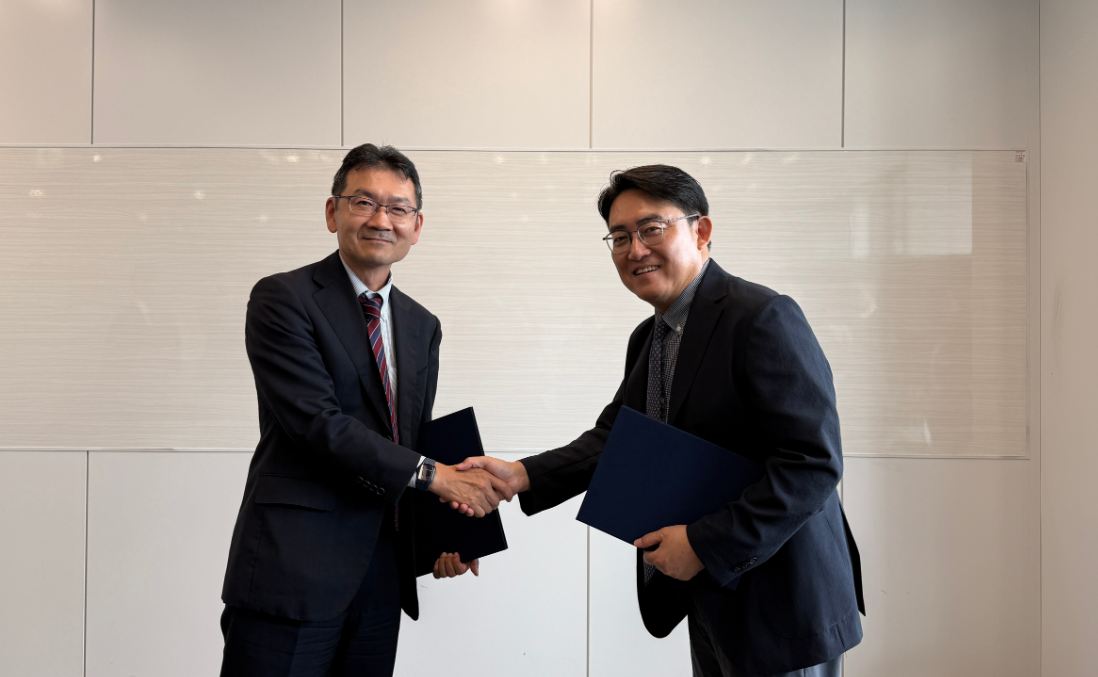


Japan’s largest power producer, JERA Co., Inc., and South Korea’s Samsung C&T Corporation have signed a memorandum of understanding to explore collaboration on strengthening regional hydrogen and ammonia value chains, highlighting a growing shift from individual project development toward cross border infrastructure coordination.
The agreement focuses on improving operational flexibility across hydrogen and ammonia supply networks, including the management and segregation of carbon intensity attributes within storage facilities such as tanks. While the companies have not disclosed specific commercial projects, the initiative reflects increasing recognition that infrastructure interoperability and certification systems will be as important as production capacity in establishing viable low carbon fuel markets.
Supply chain resilience has emerged as a strategic priority for both countries. Japan imports nearly all of its fossil fuel requirements, while South Korea also relies heavily on imported energy resources. This dependence has exposed both economies to fuel price volatility and geopolitical disruptions, particularly following recent instability in global liquefied natural gas and oil markets. Hydrogen and ammonia are increasingly viewed as potential tools to diversify energy imports, although commercial deployment remains constrained by high production costs and limited infrastructure.
JERA is developing what it describes as Japan’s first integrated low carbon ammonia value chain, covering production, transportation, and end use, with commercial operations targeted around fiscal year 2029. The company was selected under Japan’s Ministry of Economy, Trade and Industry price gap support program for low carbon hydrogen and its derivatives, a subsidy mechanism designed to narrow the cost difference between conventional fossil fuels and cleaner alternatives.
The economics of low carbon hydrogen and ammonia remain one of the sector’s largest barriers. Production costs continue to exceed those of conventional fuels, making government support mechanisms central to early market development. Japan’s price gap scheme is intended to accelerate demand by reducing financial risk for suppliers and consumers, although long term market competitiveness will ultimately depend on technology improvements, declining renewable electricity costs, and larger production volumes.
Samsung C&T is pursuing a similar strategy in South Korea by expanding its hydrogen business portfolio and developing low carbon ammonia infrastructure. The company is seeking to establish stable import and distribution networks in anticipation of increasing regional demand for clean fuels across the power generation, industrial, and maritime sectors.
The collaboration also reflects broader regional efforts to standardize low carbon fuel certification. As hydrogen and ammonia trade expands, verifying carbon intensity throughout production, transportation, storage, and delivery will become increasingly important for meeting national regulatory requirements and supporting international trade. Managing carbon attributes separately within shared storage infrastructure could improve operational efficiency while allowing suppliers to meet varying emissions standards across different markets.
Despite growing policy support, the commercialization pathway remains uncertain. Large scale hydrogen and ammonia supply chains require coordinated investment across production facilities, export terminals, shipping fleets, import infrastructure, storage systems, and end use applications. Delays or underinvestment in any segment can limit utilization across the entire value chain.
Cross border partnerships such as the agreement between JERA and Samsung C&T may help address some of these risks by aligning infrastructure planning between two of Asia’s largest prospective import markets. Shared approaches to logistics, storage, certification, and procurement could improve supply reliability while creating larger and more predictable markets for future producers.
Add EnergyNews.biz as a preferred source on Google


