


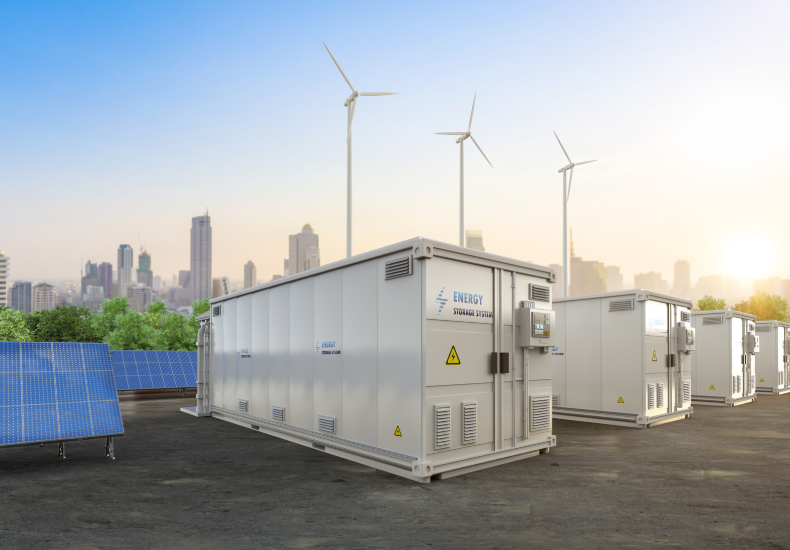


Renewable energy developer Sunly and Rolls-Royce Power Systems have signed agreements to develop four utility-scale battery energy storage systems (BESS) in Latvia with a combined capacity of 490 MWh.
The projects are designed to provide flexibility to a power system increasingly dependent on variable renewable generation. The first facility, located in Valmiera, is scheduled for commissioning in the first quarter of 2027 and will form part of one of Latvia’s first hybrid energy parks combining solar generation with large-scale battery storage.
The remaining three battery installations are expected to follow throughout 2027, creating a distributed storage network aimed at improving grid stability and supporting renewable integration.
The timing of the investment reflects changing requirements across the Baltic electricity market. Following the synchronization of Estonia, Latvia, and Lithuania with the European electricity network, the region gained access to European balancing markets. This shift has increased the need for fast-response assets capable of maintaining frequency stability and managing fluctuations caused by renewable generation.
Battery storage has become one of the key technologies for addressing this challenge because it can respond within seconds to changes in electricity supply and demand. Unlike conventional generation assets, which require longer ramp-up periods, BESS installations can absorb excess renewable power and discharge electricity when the grid requires additional capacity.
For Sunly, the decision to partner with Rolls-Royce extends beyond battery hardware procurement. The company selected Rolls-Royce as a full-service contractor responsible for system design, equipment delivery, construction, and commissioning across all four projects.
This integrated delivery model reflects a growing trend in the energy storage market, where developers are increasingly prioritizing suppliers capable of managing complete project execution rather than relying on multiple vendors. Large-scale battery projects involve complex coordination between battery systems, power conversion equipment, control software, grid connection infrastructure, and operational management.
Rolls-Royce will deploy its mtu EnergyPack battery systems together with its software platform designed to optimize charging and discharging operations. The software component has become increasingly important as storage assets move from simple energy shifting applications into more complex grid services, including frequency regulation and balancing markets.
However, the expansion of battery storage in the Baltics is not only an energy transition issue but also a security consideration. The region’s electricity infrastructure has undergone significant restructuring as it reduces dependence on legacy connections with Russia and strengthens integration with European energy systems.
For critical infrastructure operators, cybersecurity and supply chain reliability have become central factors in technology selection. Sunly highlighted the importance of working with a European technology provider capable of meeting infrastructure security requirements.
The company’s confidence in Rolls-Royce was also linked to previous work delivered for Latvia’s transmission system operator Augstsprieguma tīkls in 2025.
The new battery projects will operate within a broader renewable energy strategy. Solar generation in particular has expanded across Europe as costs have declined, but increasing solar penetration creates operational challenges because electricity production peaks during daylight hours while demand often remains higher during evening periods.
Energy storage helps address this mismatch by shifting renewable electricity from periods of high production to periods of higher demand. However, the economics of BESS projects depend heavily on market design, electricity price volatility, grid service revenues, and battery degradation management.
The 490 MWh portfolio represents a significant addition to Latvia’s energy flexibility infrastructure, but it also highlights a wider challenge facing renewable-heavy electricity systems. As fossil fuel generation declines, grid operators require more distributed assets capable of providing reliability services traditionally supplied by conventional power plants.
Add EnergyNews.biz as a preferred source on Google


