


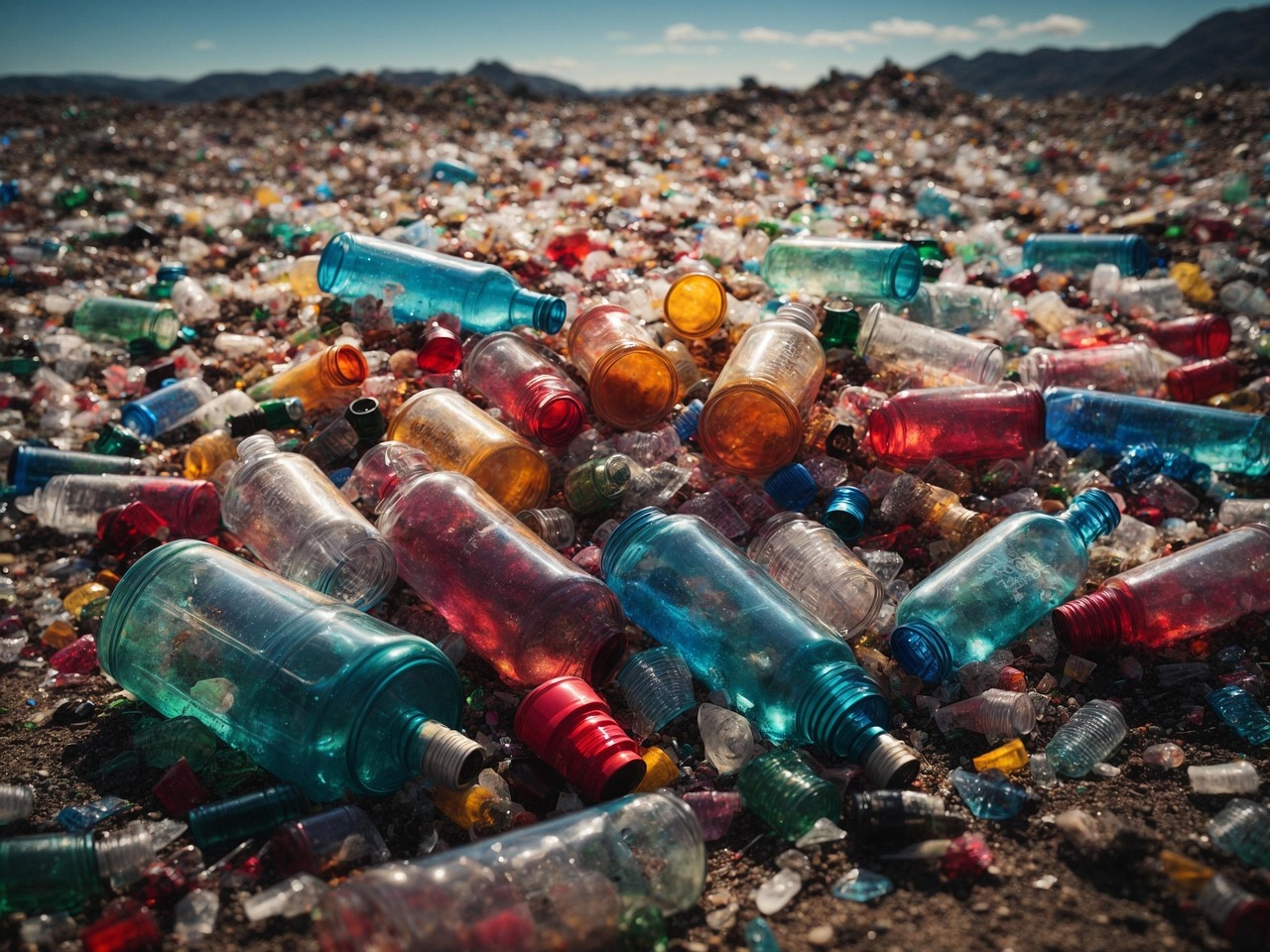

Global demand for plastics continues to rise even as regulatory pressure, brand commitments, and climate targets tighten around emissions, waste, and feedstock sourcing. For companies operating at the scale of LyondellBasell, one of the world’s largest producers of polyolefins and chemicals, the challenge is no longer limited to cost efficiency or capacity utilization.
The core question is how to sustain volume leadership in packaging, mobility, construction, and electronics while structurally reducing carbon intensity and exposure to virgin fossil inputs.
That tension explains LyondellBasell’s strategic pivot from a predominantly commodity-driven petrochemical model toward a portfolio increasingly framed around circular polymers, lower-carbon feedstocks, and proprietary process technologies. Rather than abandoning its legacy asset base, the company is attempting to reengineer it into infrastructure for a circular materials economy.
At the center of this repositioning is the recognition that polyolefins will remain essential. Lightweight plastics continue to displace heavier materials in vehicles, reduce food waste through packaging, and underpin infrastructure such as water and gas piping. The emissions challenge lies not in eliminating polymers, but in how they are produced, used, and recovered. LyondellBasell’s response has been to combine performance-driven resin development with recycled and renewable content at industrial scale.
The company’s core polyethylene and polypropylene businesses remain anchored in established brands such as Moplen, Lupolen, and Hostalen. What has changed is the degree of application specificity. Automotive grades increasingly target lightweighting and durability to support efficiency standards. Packaging grades focus on mono-material designs that improve recyclability without sacrificing barrier performance. Infrastructure polymers emphasize long service life and reduced leakage, lowering lifecycle emissions. These are not generic resins but materials engineered through proprietary catalyst systems and polymerization processes, allowing tighter control over molecular structure and end-use performance.
Overlaying this conventional portfolio is the Circulen platform, which concentrates LyondellBasell’s circular and low-carbon offerings into a single, auditable framework. CirculenRecover uses mechanically recycled plastic waste for applications where recycled content can be incorporated without compromising functionality. CirculenRevive relies on advanced recycling routes to convert mixed or contaminated plastic waste back into feedstock suitable for producing virgin-equivalent polymers, including for food-contact uses where mechanical recycling often falls short. CirculenRenew introduces bio-based or renewable feedstocks through mass balance approaches, enabling lower-carbon polymers that behave identically to fossil-based equivalents.
The commercial logic is clear. Consumer goods companies face binding recycled-content mandates and Scope 3 emissions targets, but few are willing to redesign products or processing lines around niche materials. Drop-in circular polymers from a supplier with global production capacity reduce switching costs and supply risk. LyondellBasell’s scale allows these products to move beyond pilot volumes, addressing one of the persistent bottlenecks in circular plastics markets.
A less visible but strategically important pillar is technology licensing. LyondellBasell’s Spheripol, Spherizone, Hostalen, and Lupotech processes are deployed in plants worldwide. Licensing converts internal process innovation into a capital-light revenue stream while extending the company’s influence over how polyolefins are produced globally. As producers seek lower-emission plants and compatibility with recycled or bio-based feedstocks, next-generation process designs become a competitive lever rather than a support function.
The company is also extending its reach into low-carbon fuels and chemical intermediates derived from waste and renewable inputs. Participation in sustainable aviation fuel pathways, renewable naphtha supply chains, and hydrogen-related initiatives links LyondellBasell’s materials expertise with the broader energy transition. Volumes remain modest relative to core polymers, but these activities position the company at the interface between refining, chemicals, and decarbonized energy systems.
Competition in this space is intensifying. Dow’s performance polyolefins and circular brands emphasize downgauging and recyclability. SABIC’s TRUCIRCLE portfolio mirrors Circulen across mechanical, chemical, and bio-based routes and has secured high-profile brand partnerships. INEOS promotes mechanically recycled and bio-attributed grades under Recycl-IN. The differentiation increasingly lies in integration and scale. LyondellBasell’s advantage is not a single technology but the ability to combine large, efficient crackers and polymerization units with multiple circular feedstock pathways and a global licensing footprint.
From a market perspective, this strategic shift complicates how LyondellBasell is valued. The company remains exposed to cyclical swings in polyethylene and polypropylene margins, energy prices, and global industrial demand. At the same time, recurring licensing revenues, premium pricing for certified circular polymers, and long-term offtake agreements with brand owners introduce elements of stability not typical of pure commodity chemicals. Investors tracking LyondellBasell Aktie increasingly weigh dividend strength and cash flow resilience alongside the optionality embedded in circular and low-carbon growth segments.


