




The Department of Energy (DOE) revealed that nine corporations—comprising six international and three local firms—are contending for petroleum and hydrogen exploration blocks.
These companies have submitted applications for Petroleum Service Contracts under both the 1st Bangsamoro Autonomous Region in Muslim Mindanao (BARMM) Conventional Energy Bid Round and the 2024 Philippine Bid Round.
The DOE, together with the Ministry of Environment, Natural Resources, and Energy (MENRE), announced receiving three bids specifically for the 1st BARMM bid round. Submitted proposals focus on PDA-BP-1 (Cotabato Basin), PDA-BP-2 (Sulu Sea Basin), and PDA-BP-3 (Sulu Sea Basin). Currently, all three applications are qualified for further evaluation.
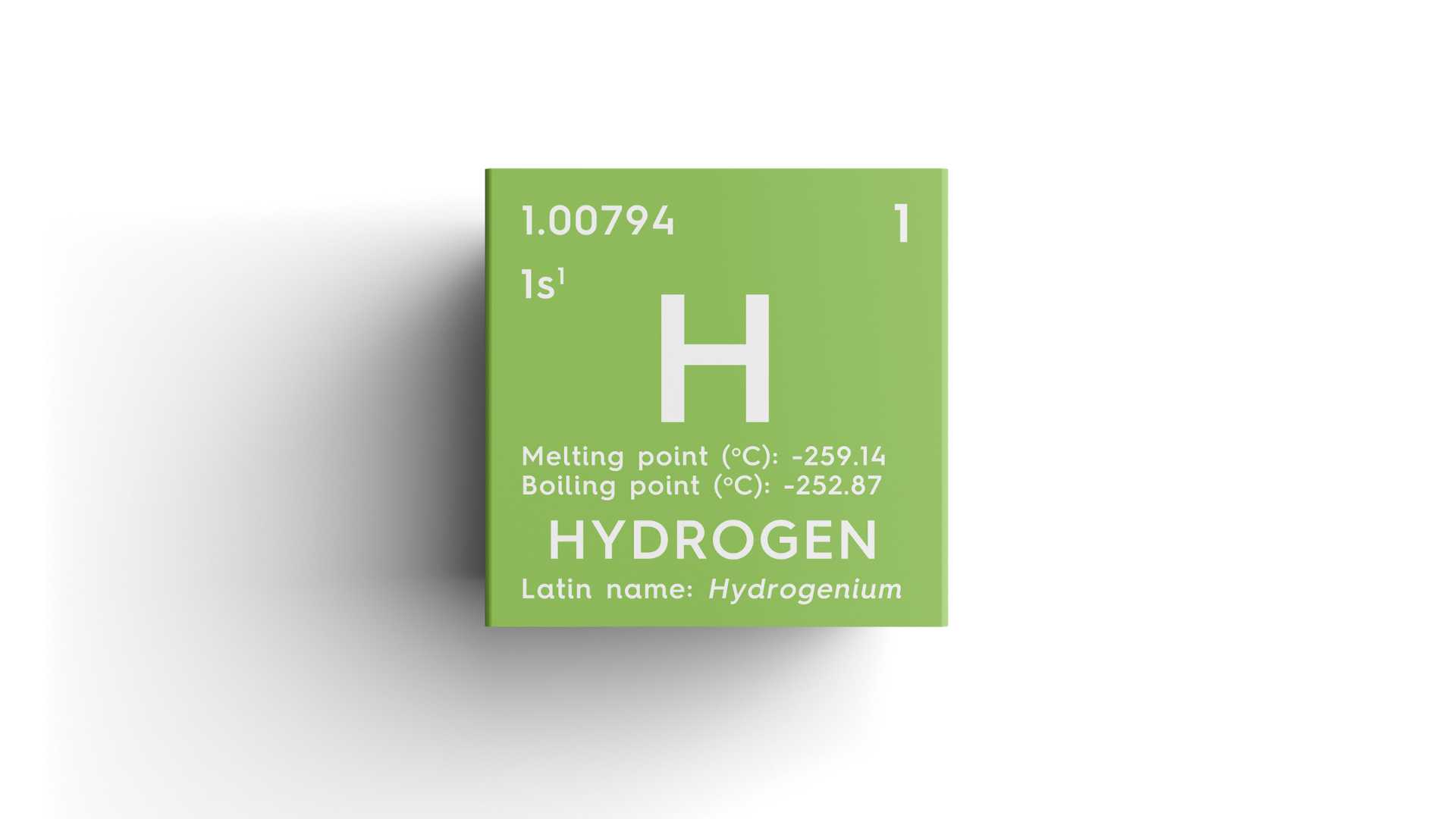
For the 2024 Philippine Bid Round, Energy Undersecretary Alessandro Sales reported five applications aimed at hydrogen exploration in Central Luzon—three for PDA-PH-1 and two for PDA-PH-2. These applications have passed initial completeness reviews and will now move to a substantive evaluation phase. However, the application for PDA-PD-2 (Alegria Field) was disqualified due to incomplete documentation.
The DOE aims to complete the legal, technical, and financial evaluations by the fourth quarter of 2024, with top applicants recommended to the Office of the President.
This year’s bid round has garnered the most valid applications for pre-determined areas since the Philippine Energy Contracting Round (PECR) 5 in 2015 and the Philippine Conventional Energy Contracting Program (PCECP) 2018-2019. Notably, six out of eight pre-determined areas received bids.
Add EnergyNews.biz as a preferred source on Google


