


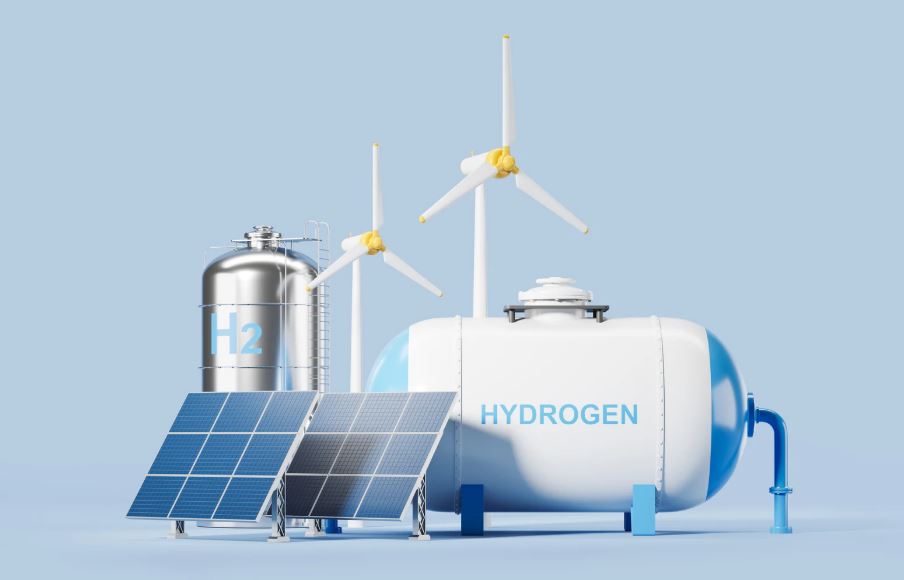


Efficiency and stability best practices for solar water splitting to produce hydrogen have been suggested by NREL and Berkeley Lab.
A technique for standard PEC water-splitting efficiency tests has been published by the National Renewable Energy Laboratory (NREL) and the Lawrence Berkeley National Laboratory (Berkeley Lab), which is identical to the certification process for PV cell efficiency.
According to Todd Deutsch, a senior scientist at NREL and co-author of “Best practices in PEC: How to reliably measure solar-to-hydrogen efficiency of photocathodes,” “It’s really difficult to compare reported PEC water-splitting efficiency results between labs because people tend to make measurements under different conditions.”
The article, which was published in Frontiers in Energy Research, suggests standardized experimental procedures, beginning with the supplies needed to make photoelectrodes. The researchers have also suggested a fabrication technique, an experimental setup, and a method to calculate the efficiency of converting solar energy into hydrogen.
Add EnergyNews.biz as a preferred source on Google


