



Orlen has been given the lead on the planned BWRX-300 small modular reactor at Włocławek under a framework agreed with its partner Synthos Green Energy, the private SMR developer behind the Orlen Synthos Green Energy joint venture. The Orlen SMR role is defined by the split of sites: Orlen leads Włocławek, while SGE leads development at Stawy Monowskie.
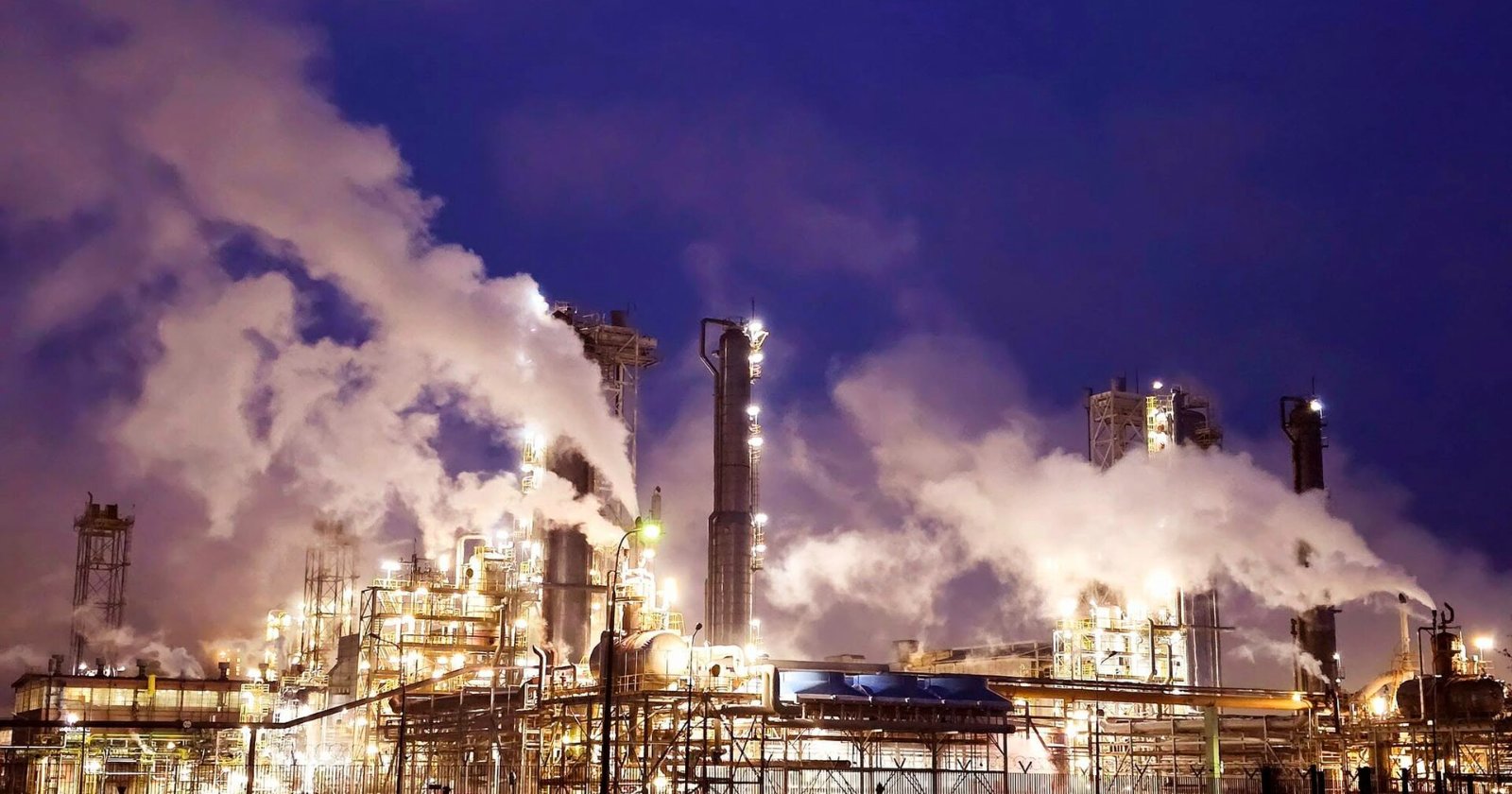
How the Orlen SMR project is structured
According to the joint venture, the Włocławek plant would be developed in stages through a project company controlled by Orlen. The first BWRX-300 unit in Poland is expected to be commissioned in the mid 2030s at Włocławek. The BWRX-300 is a boiling water SMR design, and the same technology is being pursued at other sites in North America and Europe.
What the Orlen SMR agreement does not say
The published material gives no capacity for the Włocławek plant, no shareholding percentages and no financial terms. It does not set a date for a construction licence application or an investment decision. Staged development implies that the number of units and their timing remain open, but the available text does not confirm either point.
The mid 2030s commissioning target sits close to the date Poland has carried in official nuclear programme documents for its first large unit, a timing risk discussed in our analysis of Poland’s nuclear programme and its 2036 date. The SMR route would add a second, parallel schedule that depends on permits and on the arrangement now being defined between the two partners.
What to watch in the Orlen SMR project
Three disclosures would turn the framework into a project: the capacity and number of units planned at Włocławek, the ownership split between Orlen and SGE inside the project company, and the timetable for licensing applications. A state controlled energy group leading one site and a private developer leading another also divides responsibility inside the joint venture, which can reduce overlap, but the available text does not show how funding is allocated.
Until those terms are published, the Orlen SMR agreement is best read as an allocation of responsibility, not a commitment of capital. For readers tracking Polish nuclear timelines, the useful marker is the mid 2030s target for the first unit, and the question is whether the staged approach protects it.
The Orlen SMR agreement also shows how Polish SMR development is being split between partners rather than concentrated in one vehicle. By giving Orlen the lead at Włocławek and Synthos Green Energy the lead at Stawy Monowskie, the partners separate two sites that would otherwise compete for the same engineering teams, supplier slots and regulatory attention. That division is a practical choice, and the Orlen SMR at Włocławek will be judged on whether the project company controlled by Orlen can move from agreement to licensing on a credible timetable.
For readers following the BWRX-300 in Europe, the Orlen SMR is one of several early deployment candidates, and its progress will be compared with other sites using the same boiling water design. The agreement itself carries no cost or schedule detail, so the next documents from the partners will matter more than the agreement text.
How the Orlen SMR fits Poland energy plans
Poland is pursuing small modular reactors as part of its wider nuclear programme, and Włocławek is an industrial location with a chemical sector. An Orlen SMR at the site would therefore be judged both as a power plant and as a possible source of heat and electricity for local industry, although the published material does not say which use is planned. The sharing of sites with Synthos Green Energy also shows that private industrial groups are expected to carry much of the early project risk, a pattern that investors will compare with state led nuclear projects elsewhere.
The next milestones to follow for the Orlen SMR are the choice of site configuration, the licensing steps with the Polish regulator and any announcement of financing partners. Each would turn the framework into a project with a schedule and a cost, and each would give readers the numbers that this agreement leaves out. General background on the technology is available from the International Atomic Energy Agency.
Add EnergyNews.biz as a preferred source on Google


