


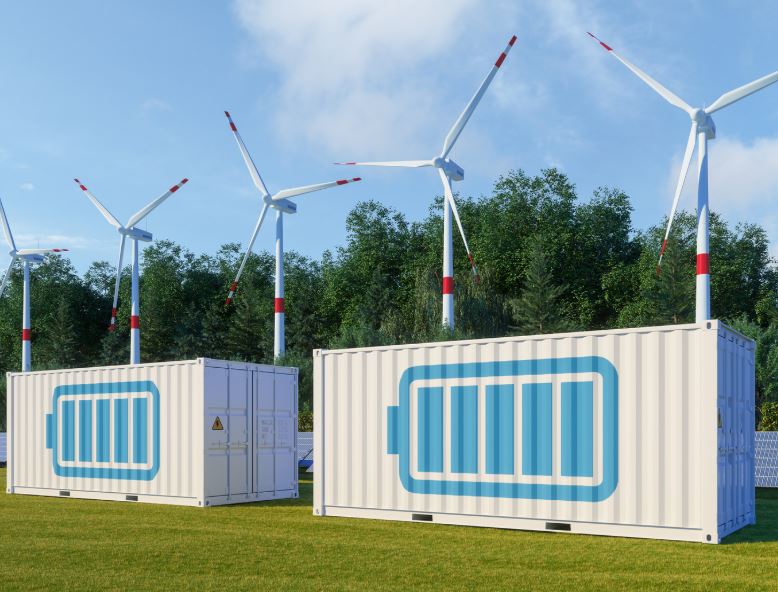


TEP Juno GmbH & Co. KG has launched a tender for a significant battery storage project in Groß Laasch, Germany.
This tender, titled “Delivery and Service for a Battery Storage Project,” was published on February 18, 2025. Interested parties must submit their applications by March 17, 2025. This initiative is crucial for advancing energy storage solutions in the hydrogen sector, contributing to the stability and reliability of renewable energy systems.
The primary objective of the tender is to secure a supplier for the core components of a battery storage system, including battery storage units, inverters, transformers, a battery management system (BMS), and a power plant controller. The project requires a storage capacity between 25-35 MWh and a grid connection at a 33 kV voltage level.
Technical specifications are stringent to ensure quality and safety; for example, the battery cells must support deep discharge to 95% and complete a minimum of 9,500 cycles. Furthermore, certifications required include ISO 9001, ISO 14001, ISO 45001, with safety standards like IEC 62619 and UL 9540A also mandated. This level of detail indicates TEP Juno’s commitment to high-performance and sustainable energy solutions, reflecting broader trends in integrating hydrogen technologies into national grids.
Stay updated on the latest in energy! Follow us on LinkedIn, Facebook, and X for real-time news and insights. Don’t miss out on exclusive interviews and webinars—subscribe to our YouTube channel today! Join our community and be part of the conversation shaping the future of energy.
Add EnergyNews.biz as a preferred source on Google


