


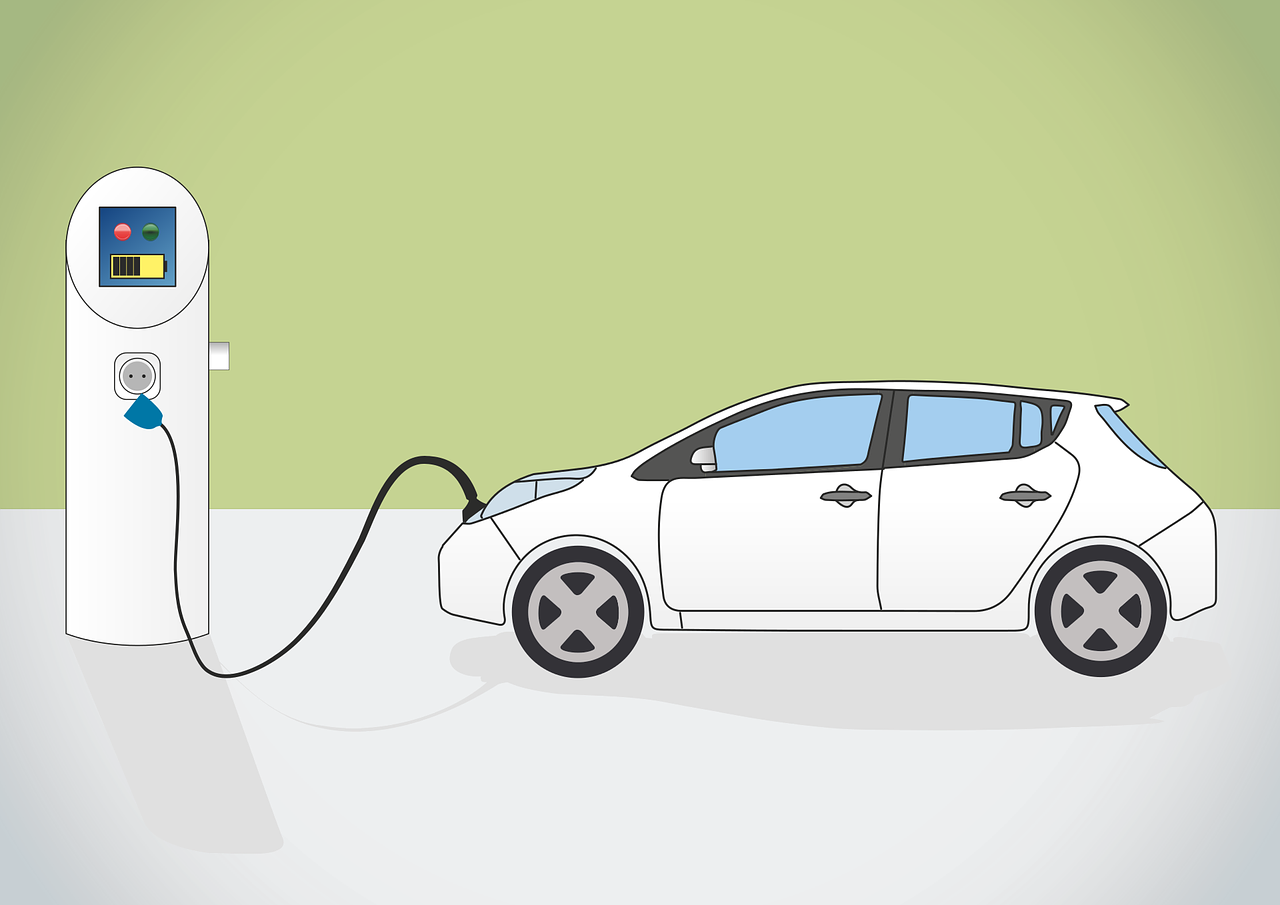


Europe’s electric vehicle market has made significant gains in charging infrastructure, yet the user experience remains fragmented. Drivers frequently navigate multiple apps, authentication systems, and payment methods depending on the charging network, creating friction that industry stakeholders increasingly view as a barrier to broader EV adoption.
A year long pilot conducted by Vattenfall InCharge and WirelessCar suggests that connected vehicle technology may offer a practical solution. More than 700 drivers across Sweden, Germany, and the Netherlands tested a cloud based Seamless Charging service designed to automate authentication, charging initiation, and payment without requiring physical charging cards or mobile applications.
The initiative reflects a growing shift in the European charging market from infrastructure expansion toward service integration. As public charging networks mature, competitive differentiation is increasingly tied to customer experience rather than the number of installed charging points alone.
Vattenfall InCharge operates more than 40,000 charging points across Europe, providing a sufficiently large platform to assess whether automated charging services can function at scale. The pilot currently supports compatible Volvo and Tesla vehicles equipped with the necessary connectivity capabilities, highlighting both the opportunities and limitations of software driven interoperability in the present market environment.
The underlying concept is straightforward. Following a one time registration through the My InCharge platform and approval of vehicle data sharing through manufacturer systems, charging sessions begin and end automatically when the vehicle is connected. Authentication occurs through secure exchanges between the vehicle, cloud services, and charging infrastructure using established industry protocols.
The model removes several actions traditionally required from drivers, including opening applications, scanning cards, or initiating payment processes at charging stations.
For charging operators, however, eliminating customer friction requires substantial backend coordination.
WirelessCar, which provides the Seamless Charging platform, argues that simplifying the user experience depends on effective orchestration across vehicle manufacturers, software systems, charging networks, and service providers. This complexity has become one of the defining challenges of Europe’s rapidly expanding e mobility ecosystem.
Unlike conventional fuel stations, public charging infrastructure developed through multiple competing operators, proprietary applications, and diverse payment systems. The resulting fragmentation has prompted increasing calls for standardized interfaces and interoperable solutions capable of delivering a consistent experience regardless of geography or network ownership.
The Vattenfall pilot represents one approach to that challenge by leveraging connected vehicle data rather than relying exclusively on charger based identification methods.
Current compatibility is limited to selected vehicle brands with the technical capability to support secure data exchange and automated authentication. Broader adoption will depend on participation from additional manufacturers and continued alignment around common communication standards. Without widespread industry cooperation, seamless charging risks becoming another premium feature available only within specific ecosystems.
Automated charging services require customers to authorize the sharing of vehicle information through manufacturer platforms. Although industry standard protocols are designed to ensure secure transmission, consumer acceptance will likely depend on transparency regarding data usage, storage, and third party access. European regulatory frameworks governing digital services and personal data protection may therefore play an increasingly important role in shaping deployment strategies.
Reducing transaction friction can improve charger utilization rates by shortening connection procedures and minimizing failed authentication attempts. For network operators, higher reliability and a more intuitive customer experience may strengthen user retention at a time when competition in public charging markets is intensifying.
The initiative also reflects a broader evolution within the electric mobility sector. Early deployment efforts focused primarily on increasing charger availability. As infrastructure density improves, attention is shifting toward software integration, digital ecosystems, and service quality metrics that more closely resemble consumer technology markets than traditional energy systems.
Vattenfall plans to expand Seamless Charging across its entire InCharge network during the autumn and winter of 2026, following its current pilot deployment at selected locations. Whether the approach can deliver truly universal charging experiences will depend less on individual technological capabilities and more on the willingness of automakers, charging providers, and digital service companies to adopt interoperable frameworks that prioritize user simplicity over proprietary ecosystems.
Add EnergyNews.biz as a preferred source on Google


