


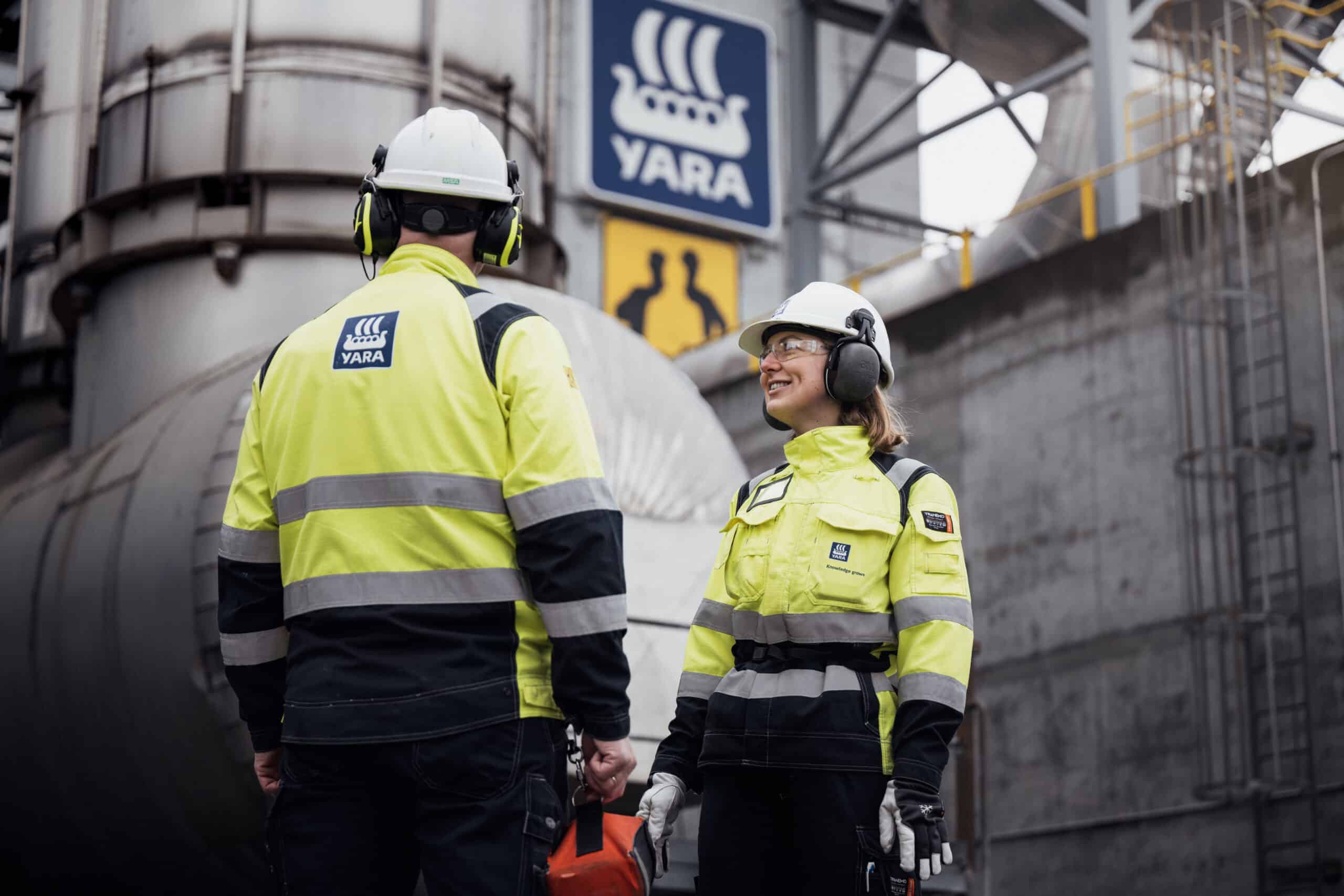


Yara International is expanding its exposure to the United States gas market through a $1.3 billion acquisition of Gulf Coast Ammonia’s Texas City facility, a move that reflects broader efforts by ammonia producers to reduce dependence on volatile European energy costs while securing access to lower-cost feedstocks.
The transaction gives Yara ownership of an ammonia plant with an expected nameplate capacity of 1.3 million metric tons per year, adding substantial U.S. production to a portfolio historically influenced by European natural gas dynamics. The facility, currently in commissioning, is expected to achieve stable operations by the end of 2026.
For ammonia producers, geography increasingly determines competitiveness. Henry Hub natural gas prices have remained structurally lower and less volatile than European benchmarks in recent years, reshaping investment decisions across the fertilizer sector. The acquisition therefore represents more than an expansion of capacity. It is a strategic reallocation of energy risk.
Yara has framed the deal as part of its long term effort to diversify energy exposure and lower production costs. The company already operates a comparable arrangement in Freeport, Texas, where third party industrial gas supply is integrated with Yara’s ammonia expertise. The Texas City model extends that approach, with hydrogen, nitrogen, and utilities supplied under a long term agreement by Air Products and Chemicals, Inc., which operates the largest hydrogen pipeline network in the United States.
The structure reduces direct capital intensity for Yara while increasing operational reliance on a strategic partner. Such arrangements can improve returns on invested capital, but they also create dependencies that require stable contractual relationships and reliable infrastructure performance over multiple decades.
From a market perspective, the acquisition strengthens Yara’s midstream ammonia platform at a time when industrial demand for ammonia is diversifying beyond fertilizers. Traditional agricultural markets remain dominant, yet demand expectations linked to maritime fuels, power generation, and low carbon hydrogen value chains continue to influence investment decisions.
Whether those emerging sectors generate material volumes remains uncertain. Global ammonia developers have announced significant low carbon capacity additions, but commercialization depends heavily on regulatory support, carbon pricing mechanisms, and customer willingness to pay premiums over conventional products.
Yara’s strategy appears designed to preserve optionality rather than commit exclusively to any single pathway. The company highlighted future opportunities to integrate lower carbon ammonia production at Texas City, subject to policy developments and economic viability. That approach mirrors a wider industry trend toward maintaining conventional production assets that can later incorporate carbon capture or renewable hydrogen inputs if market conditions justify the investment.
The acquisition also complements Yara’s broader commercial relationship with Air Products, including previously announced arrangements to market renewable ammonia from the NEOM Green Hydrogen Project in Saudi Arabia. Together, the agreements illustrate how incumbent ammonia producers are balancing existing profitability with longer term decarbonization positioning.
Financial discipline remains an important consideration. The transaction raises Yara’s total capital expenditure for 2026 to $2.5 billion, although management maintains that spending remains within previously communicated investment plans. Pro forma net debt to EBITDA rises to 1.73 times following the acquisition and dividend payments, remaining inside the company’s targeted range of 1.5 to 2.0.
Investors will likely focus less on leverage metrics than on execution risk. The Texas City plant has yet to complete its ramp up phase, with stable operations targeted only by late 2026. Large scale ammonia projects have historically encountered commissioning delays, reliability issues, and cost overruns, particularly when integrating complex industrial gas systems.
Yara argues that extensive technical due diligence supports expectations that the asset can ultimately operate at or above its design capacity. Achieving that outcome would strengthen its position on the global ammonia cost curve and provide additional supply flexibility for both internal fertilizer production and third party industrial customers.
Add EnergyNews.biz as a preferred source on Google


