




The tyre industry is increasingly turning toward circular materials to reduce lifecycle emissions, and a new collaboration between Dunlop and Cabot Corporation signals a push to integrate reclaimed carbon into mass-produced tyres.
The companies signed a Memorandum of Understanding (MoU) to evaluate the commercial adoption of circular reinforcing carbon produced using Cabot’s patented regenerated technology.
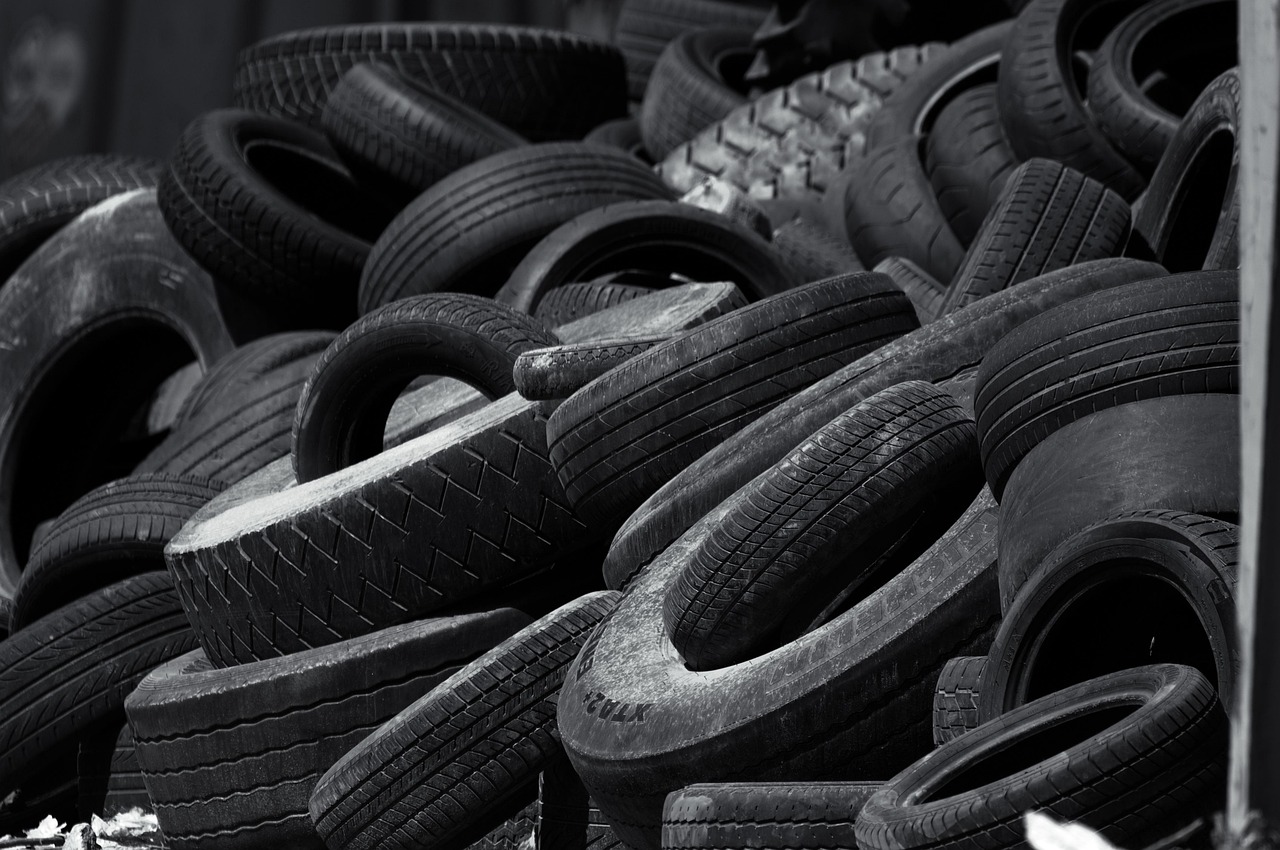
Cabot’s circular reinforcing carbon leverages the EVOLVE Sustainable Solutions platform, which incorporates carbon reclaimed from the pyrolysis of end-of-life tires. This material represents a new input for Sumitomo Rubber’s tyre production and is positioned as a key enabler for reducing carbon emissions across the supply chain. The collaboration focuses on testing material performance in tyres while scaling Cabot’s technology to meet expected market demand.
Takuya Horiguchi, general manager at Sumitomo Rubber’s Material Research & Development Headquarters, highlighted the strategic dimension of the partnership. He stated that combining the companies’ expertise would accelerate the commercialization of circular reinforcing carbon, supporting the transition to a decarbonized tyre industry. By integrating these technologies, Dunlop aims to move toward mass production while embedding sustainability into core manufacturing processes.
Cabot also emphasized the role of collaboration in advancing sustainability. Aatif Misbah, vice president of Sustainable Solutions at Cabot, noted that testing regenerated reinforcing carbon in tyre applications aligns with broader corporate commitments to reduce emissions and innovate responsibly. Cabot intends to scale its regenerated carbon technology to meet demand from industrial adopters, reflecting the growing market appetite for lower-carbon raw materials.
The initiative ties directly into Sumitomo Rubber’s “TOWANOWA” concept, which frames circular economy efforts within two interlinked rings. The Sustainable Ring addresses five processes across the value chain, while the Data Ring integrates operational data from each stage to optimize material usage, reduce waste, and improve overall sustainability performance. This approach demonstrates a shift in the tyre sector from incremental efficiency gains toward systemic circularity across production and material sourcing.
By embedding reclaimed carbon into tyres, the collaboration targets multiple challenges: reducing reliance on virgin carbon black, lowering lifecycle emissions, and creating a scalable pathway for circular materials in industrial rubber products. If successful, this partnership could set a benchmark for other tyre manufacturers seeking to balance performance standards with sustainability commitments.


