




Japan is committing approximately ¥1 trillion, equivalent to about $6.3 billion, by 2030 to scale domestic recycling systems for critical materials, reflecting a strategic shift from linear resource consumption toward circular supply chains.
The policy, outlined by the government and supported by both public and private investment, is designed to reduce exposure to volatile import markets while strengthening industrial resilience.
The initiative sits at the intersection of economic security and industrial policy. Japan remains heavily dependent on imported raw materials, particularly rare earth elements that underpin high-value manufacturing sectors such as electric vehicles, electronics, and renewable energy technologies. By setting a target for recycled materials to account for around 30 percent of domestic production of permanent magnets, policymakers are attempting to localize part of this supply chain and mitigate geopolitical and market risks.
Statements from Minoru Kihara emphasize the strategic framing of the plan, positioning resource circularity as a competitive advantage rather than solely an environmental objective. This reflects a broader trend among advanced economies where material security is increasingly integrated into national growth strategies, particularly in sectors exposed to concentrated global supply chains.
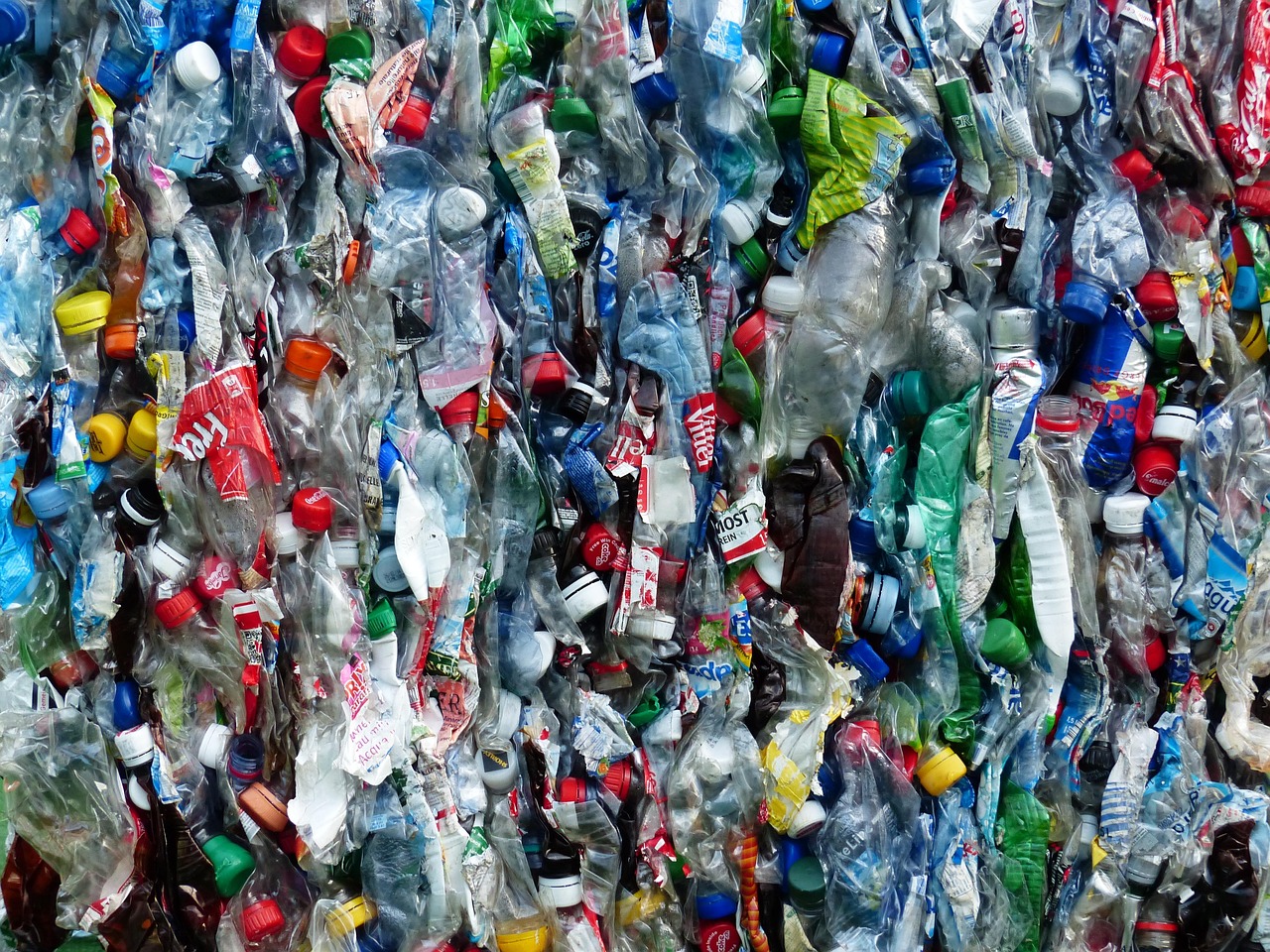
The policy also introduces more prescriptive measures in plastics. By fiscal 2028, manufacturers of products such as PET bottles will be required to incorporate a mandated share of recycled content. While specific percentages have not been detailed in the initial framework, the move signals a transition from voluntary recycling targets toward regulatory enforcement. This approach aims to create stable demand for recycled materials, addressing one of the persistent weaknesses in circular economy systems where supply often outpaces economically viable end markets.
However, scaling recycling capacity to meet these targets presents operational and economic challenges. For rare earth elements, recycling processes remain technically complex and energy-intensive, often requiring advanced separation technologies that are not yet widely deployed at commercial scale. The cost competitiveness of recycled materials relative to primary extraction will be a critical factor, particularly in periods of lower global commodity prices.
In plastics, the challenge is less about technical feasibility and more about system integration. Collection, sorting, and processing infrastructure must expand significantly to ensure consistent feedstock quality. Contamination and material degradation continue to limit the usability of recycled plastics in high-performance applications, which may constrain the extent to which mandated content requirements can be met without affecting product specifications.
The government’s decision to embed the circular economy plan within its broader economic policy guidelines indicates an effort to align industrial incentives with sustainability objectives. By setting material-specific supply targets, the policy introduces a level of granularity that has often been absent in previous circular economy frameworks. This could improve accountability but also requires robust monitoring systems and clear definitions of what qualifies as recycled content.
From an investment perspective, the blended funding model aims to leverage private sector participation while reducing initial risk through public support. This structure is consistent with Japan’s approach in other strategic sectors, where government backing is used to catalyze early-stage development before transitioning to market-driven scaling. The effectiveness of this model will depend on whether policy signals remain stable enough to justify long-term capital allocation in recycling infrastructure.
The initiative also reflects broader shifts in global trade dynamics. As countries reassess supply chain dependencies, domestic resource recovery is gaining prominence as a complementary strategy to diversification of imports. For Japan, which lacks significant domestic reserves of many critical materials, recycling represents one of the few scalable pathways to enhance supply security without compromising industrial output.
At the same time, the plan introduces potential trade-offs. Increasing reliance on recycled materials may reduce exposure to international markets but could also raise input costs in the short term, depending on technological maturity and economies of scale. Balancing these cost dynamics with the strategic benefits of supply security will be central to the policy’s long-term viability.
Add EnergyNews.biz as a preferred source on Google


