


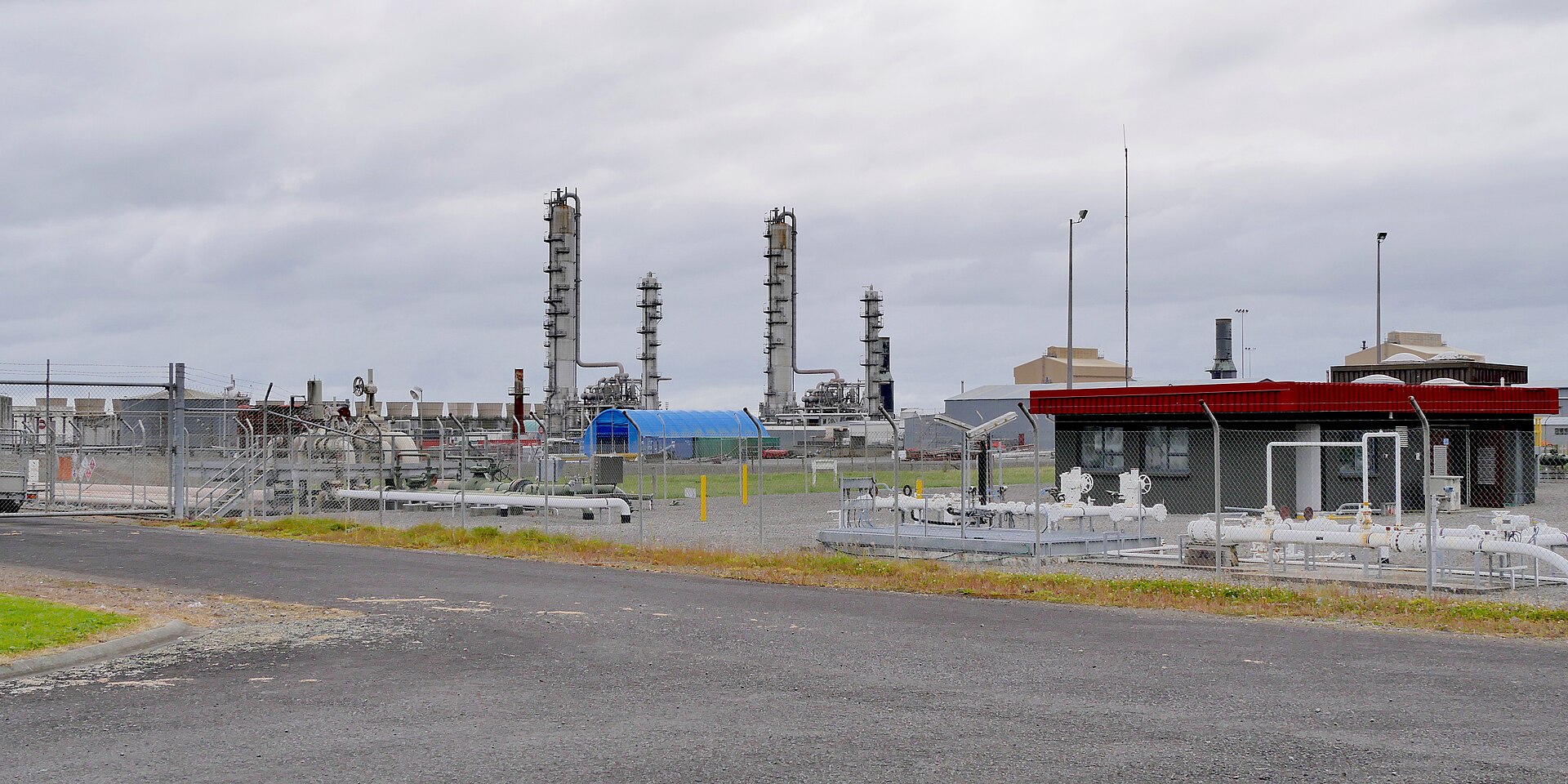


Songyuan green hydrogen projects in China’s Jilin province have received the first batch of central incentive funds under the national Hydrogen Energy Comprehensive Application Pilot City programme. The payment of 100.24 million yuan went to two projects producing hydrogen, ammonia and methanol, according to a weekly review by Shanghai Metals Market dated 26 November.
The Songyuan green hydrogen reward is small in money terms. What stands out is how it is paid: in advance, settled later against actual hydrogen use.
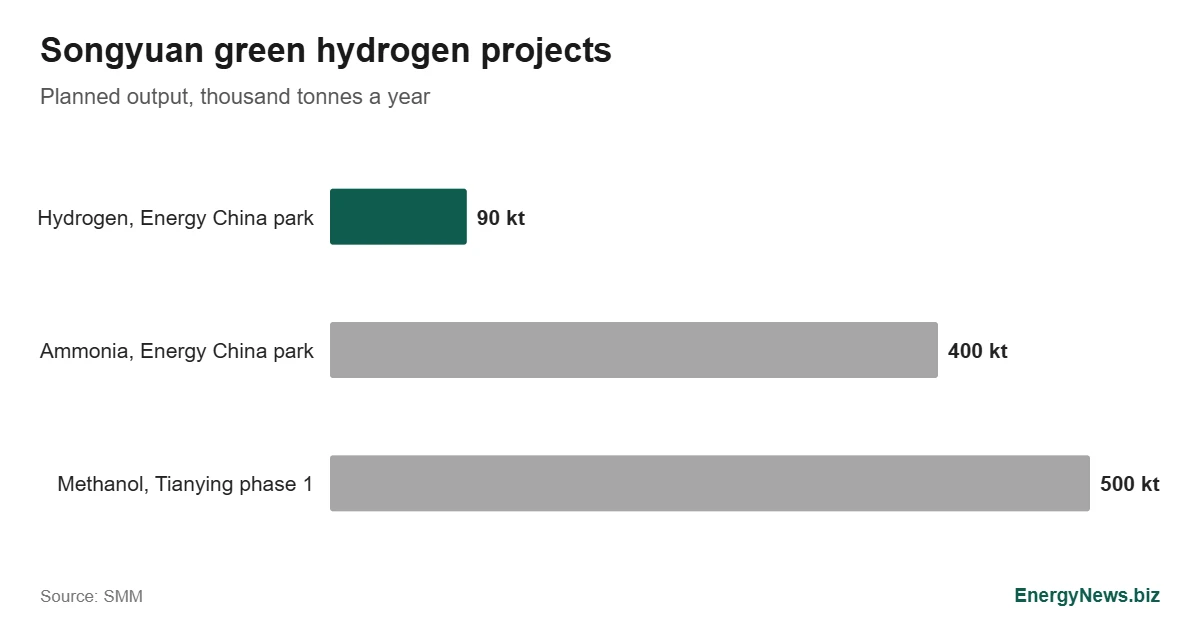
The two Songyuan green hydrogen projects
The larger recipient is the China Energy Engineering Group (Energy China) Songyuan Hydrogen Energy Industrial Park, with planned total investment of 29.6 billion yuan. Phase one is operating and produces more than 700 tonnes of green ammonia a day. After phase two, annual capacity is planned at 90,000 tonnes of green hydrogen and 400,000 tonnes of green ammonia.
The second is Songyuan Tianying, which plans to make green methanol from renewable hydrogen and carbon taken from straw. Phase one is planned at 500,000 tonnes of methanol a year.
What 100 million yuan means
Against the Energy China park’s 29.6 billion yuan investment, the reward is about 0.34%. Per tonne of planned annual hydrogen capacity at the park, it is about 1,100 yuan. At an assumed 7.1 yuan per dollar, the whole payment is about $14 million.
Phase one output gives a second measure. At 700 tonnes of ammonia a day, the plant makes about 255,500 tonnes a year. Ammonia is about 17.65% hydrogen by mass, so that output contains roughly 45,000 tonnes of hydrogen a year. That already places the Songyuan green hydrogen park among the largest operating projects in the world, at a time when many announced projects elsewhere have stalled before investment decisions.
A reward, not a subsidy
The programme describes its approach as pre-allocation first, settlement later, and rewards instead of subsidies. Funds are calculated through a system that converts hydrogen consumption volume into credits. In practice, projects receive money up front and keep it only if their hydrogen is produced and used.
That differs from Europe’s main tools. The European Hydrogen Bank pays a fixed premium per kilogram produced over ten years after the plant runs. Germany’s H2Global contracts buy imported hydrogen derivatives and resell them. China’s pilot city model ties money to local consumption and use, which supports demand in cities and industrial clusters, not only production.
The model also fits China’s industrial policy. Pilot cities are expected to show complete chains from renewable power to hydrogen, chemicals and transport. Rewards are linked to the volume of hydrogen actually used, which encourages local offtake rather than projects built only for headline capacity.
Why Songyuan green hydrogen matters outside China
For buyers of green ammonia and methanol in Europe and Asia, Songyuan green hydrogen output is a supply question. Shipping lines ordering methanol-fuelled vessels and fertiliser buyers facing CBAM will look at Chinese green molecules as an option, provided certification meets their rules. The EU requires renewable fuels of non-biological origin to meet strict criteria on additionality and time matching, which Chinese projects have to document. If they can, China could become an exporter of green derivatives far earlier than most European projects reach production.
Other moves in the same week
China Energy Investment Corporation set up a hydrogen company in Ordos, Inner Mongolia, with registered capital of about 350 million yuan. It will build and operate hydrogen refuelling and storage facilities and produce and sell hydrogen-related chemicals. In Europe, by contrast, buyers are still struggling to fill tenders, as the thyssenkrupp Steel hydrogen tender showed.
What to watch
Watch the settlement of this first batch. If the Songyuan green hydrogen projects keep all of the 100.24 million yuan after the consumption check, it will show that large Chinese projects are not only built but running and selling, which is the measure that matters for global ammonia and methanol buyers.
Add EnergyNews.biz as a preferred source on Google


