


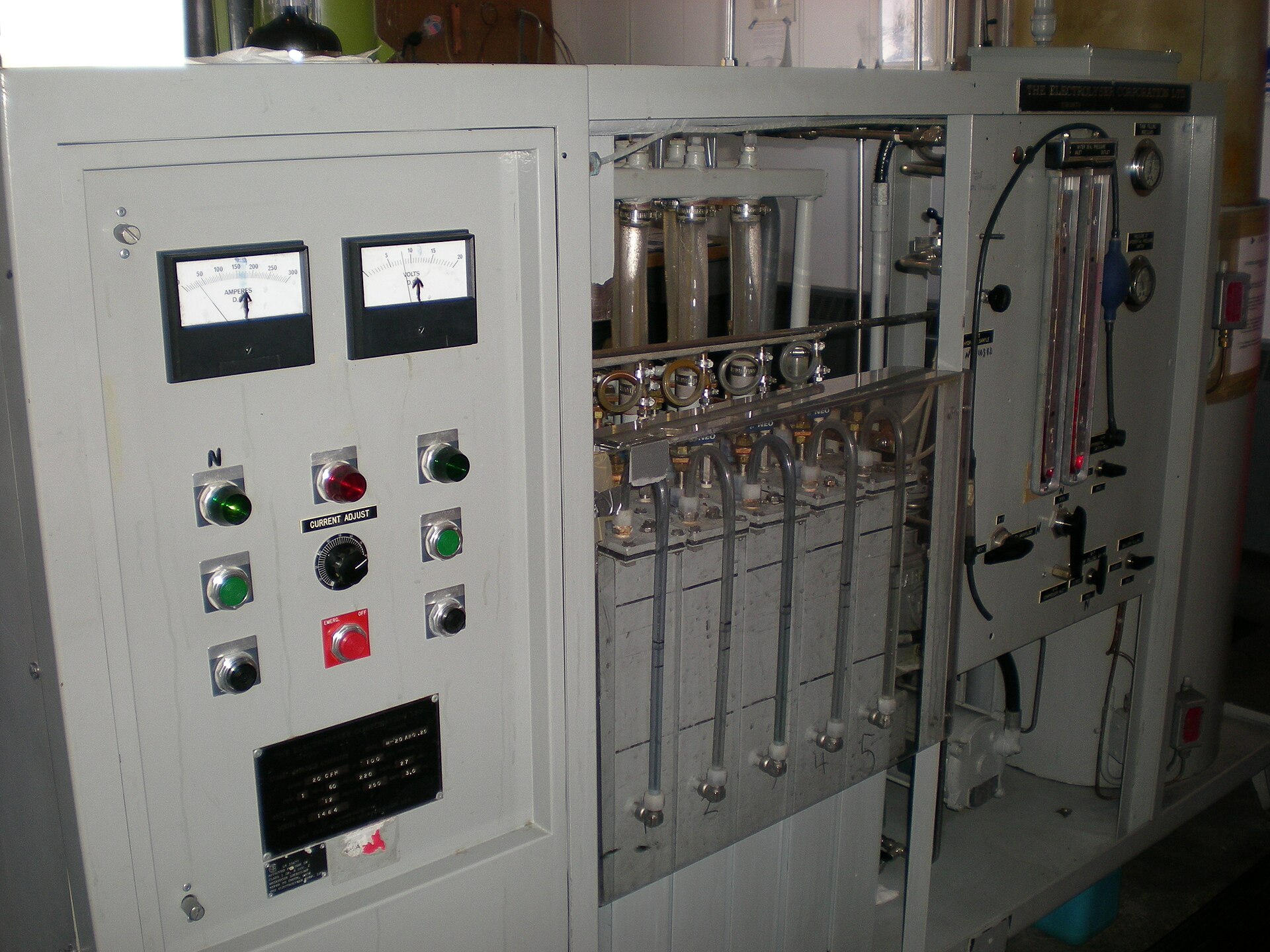


thyssenkrupp nucera has broken ground on its new electrolyser cell assembly site in Portugal, according to Hydrogen Europe. The thyssenkrupp nucera Portugal hub is located in VGP Park in Vila Nova de Gaia, near Porto, in a leased building of more than 7,500 square metres. It will be the company’s first central cell assembly site in Europe that it runs itself.
Until now, the company has relied heavily on partners and suppliers for cell production and assembly, including its long-standing relationships in Asia. The thyssenkrupp nucera Portugal hub marks a shift toward doing more of this work itself, close to its European customers.
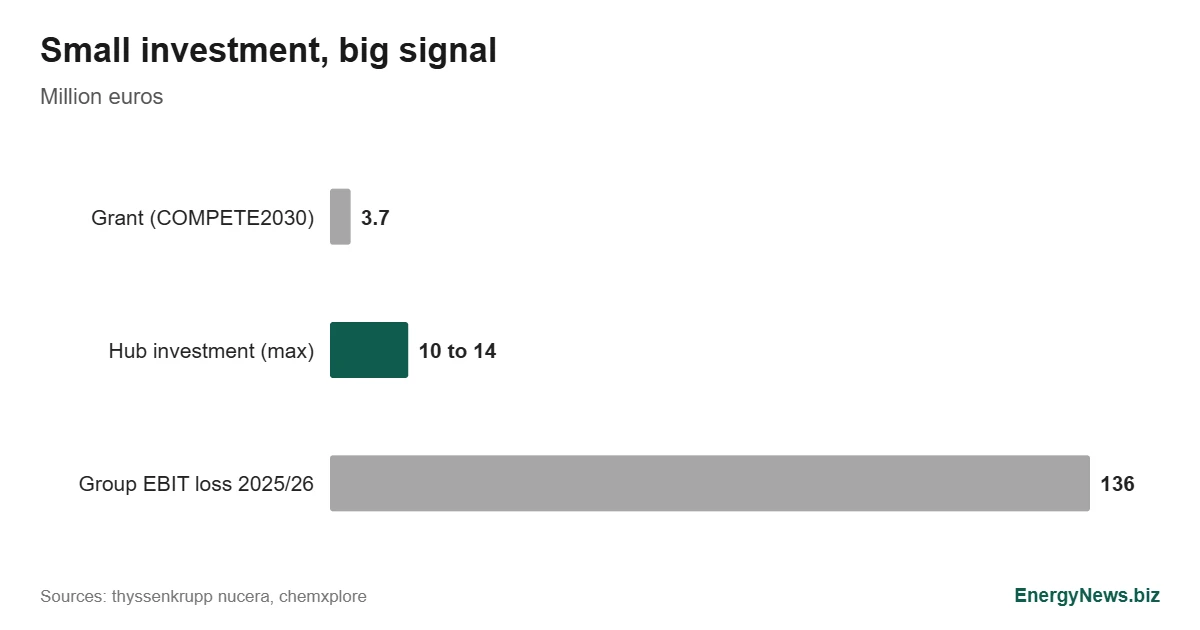
The company first announced the project in October. It plans to invest between €10 million and €14 million and will receive about €3.7 million from Portugal’s COMPETE2030 programme, according to chemxplore.
What the thyssenkrupp nucera Portugal site will do
The hub will assemble cells for alkaline water electrolysis on a semi-automated line, with work starting in 2028. Cells are the core components of an electrolyser and must be replaced during its life, so the site will also support service and cell replacement for existing plants.
That service role may be as important as new orders. Alkaline electrolyser cells wear over time and need to be refurbished or replaced after several years of operation. As more large plants come online in Europe in the second half of the decade, demand for replacement cells will grow. A central site that handles both new assembly and refurbishment can keep its line busy even when new project orders slow down, which helps make the economics of the thyssenkrupp nucera Portugal investment work.
The company says centralising and automating assembly will increase capacity and shorten lead times.
The first planned use is cells for Moeve’s Onuba project in Andalusia, where thyssenkrupp nucera supplies electrolysers for the first 300 MW phase. That phase has a capital budget above €1 billion and targets about 45,000 tonnes of hydrogen a year.
The numbers behind the thyssenkrupp nucera Portugal plan
The Portuguese grant covers between 26% and 37% of the planned investment, depending on where final costs land. That is a high share and shows how keen governments are to attract hydrogen manufacturing.
The investment is modest next to the company’s recent results. thyssenkrupp nucera has just reported a preliminary group EBIT loss of €136 million for fiscal 2025/26, most of it from its green hydrogen business, as covered in our analysis of the loss. The thyssenkrupp nucera Portugal hub costs about a tenth of that figure.
Why buyers should care
For customers, the hub matters for two reasons. First, cell supply has been a weak point across the industry, and defective supplier components were one of the causes of thyssenkrupp nucera’s extra costs this year. Bringing assembly in house gives the company more control over quality. Second, a site in Portugal is close to large Iberian projects such as Onuba, which cuts transport time for heavy components and replacement cells.
Portugal itself is also building a hydrogen industry around the port of Sines and has offered support for projects across the value chain, so the site may find local customers too.
The company is also working with Bharat Heavy Electricals in India to strengthen its supply chain outside Europe. Together, the moves suggest a strategy of fewer suppliers and more own production, after a year in which execution problems hurt profits.
What to watch
The key date is the start of cell assembly in 2028. If the line delivers the first Onuba cells on time, it will support thyssenkrupp nucera’s case to European buyers that it can deliver large projects without the cost overruns of the past year.
Add EnergyNews.biz as a preferred source on Google


