


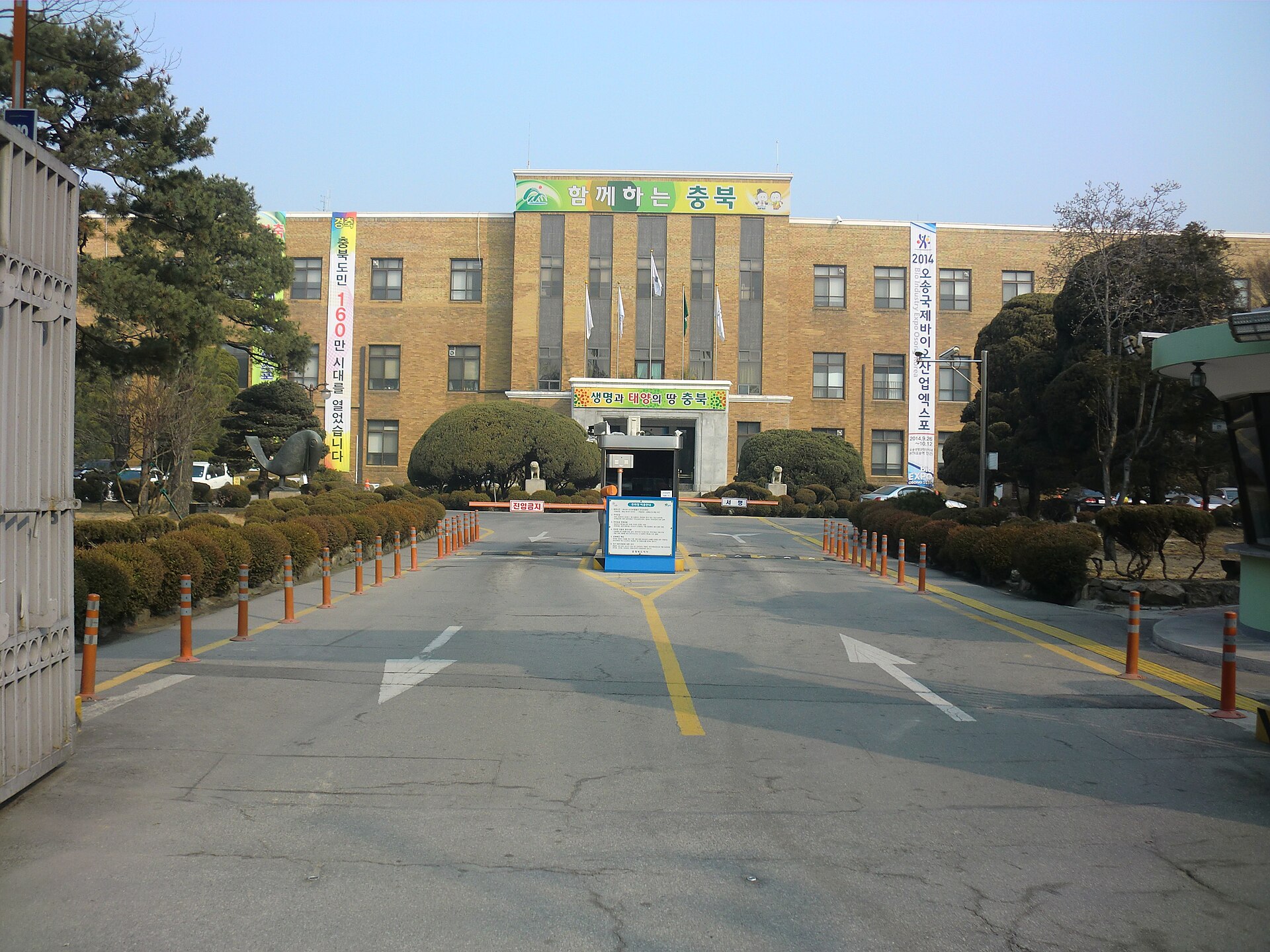


Chungbuk is moving its hydrogen policy from project by project support to a framework that covers the whole value chain. On 14 October 2026 the Science and Economy Committee of the Chungbuk Provincial Council passed a full rewrite of the province’s hydrogen industry promotion and support ordinance, and the final vote is scheduled for the council’s second plenary sitting on 21 October.
The committee approved the draft at the first sitting of the council’s 438th extraordinary session. It was proposed by council member Lee Suk-ae of Cheongju 2, and it shifts the focus from a plan and individual support measures to links across the whole industry, from production, storage and transport to refuelling and use.
What the rewrite adds
| Area | What the ordinance provides |
|---|---|
| Planning | A basic plan for the hydrogen industry every five years, with surveys of industry status, technology trends and supply and demand |
| Support scope | Clean hydrogen development and supply, production, storage and transport facilities, hydrogen fuel supply facilities, hydrogen mobility, technology development and commercialisation by specialised companies, workforce training and safety management |
| Cooperation | A basis for joint research and technology development among companies, universities and research institutes, and for commercialising the results |
| Institutions | A legal basis for a Hydrogen Industry Promotion Centre, hydrogen specialised complexes and demonstration projects |
| Cities and outreach | Hydrogen cities linking housing, transport, industry and living infrastructure, plus education, publicity and awards |
A definition that covers the chain
The report frames the hydrogen industry as technologies, equipment and mobility across production, storage, transport and use. Its point is that competitiveness needs more than technology development and company support: it also needs a supply base, a safety management system and a pool of trained people. The rewrite lists seven kinds of support that match that view, clean hydrogen development and supply, production, storage and transport facilities, hydrogen fuel supply facilities, hydrogen mobility, technology development and commercialisation by specialised companies, workforce training and safety management, and adds specialised complexes and demonstration projects as two further tools.
A five year cycle gives continuity
The planning clause is the part that builds continuity. A basic plan every five years, backed by surveys of the industry and of supply and demand, gives the province a way to adjust support to what the survey finds, and a base for deciding where money goes. The ordinance also lets the province run the promotion centre or delegate the work to specialised bodies, which spreads the load of joint research, workforce training and information exchange.
Lee said the hydrogen industry lets the region prepare for clean energy and its own future income together, and that the rewrite is meant to give technology development, company support, workforce training and infrastructure a footing in which they link up. She said Chungbuk’s companies, universities and research institutes should be able to commercialise technology and extend the results to hydrogen specialised complexes and hydrogen cities.
Where the real test is
An ordinance is the legal footing, and the report of the committee vote says as much: a revision does not in itself raise company investment or lower energy bills for residents. Results depend on concrete business plans, budget, infrastructure and safety measures that follow. The report points to two indicators of whether the framework works, the commercialisation results of the companies involved and the expansion of hydrogen refuelling stations and other infrastructure people can use.
Both indicators can be counted: the number of companies that move from joint research to products under the new cooperation clause, and the number of refuelling points and other facilities in service. The five year plan and its surveys are the natural place to record both. Regional frameworks elsewhere in Korea show the range: the Jeonju symposium on Hyundai’s Saemangeum hub tied a city strategy to one large investment, while Chungbuk is setting a rule that applies to every project. For a small scale example of the hydrogen applications such a framework supports, see the Yeosu mobile hydrogen generator.
The dated check is 21 October, when the full council votes on the rewrite, and the ordinance’s own five year cycle is the next. Source: report of the 14 October 2026 committee vote on the Chungbuk hydrogen industry promotion and support ordinance.
Add EnergyNews.biz as a preferred source on Google


