


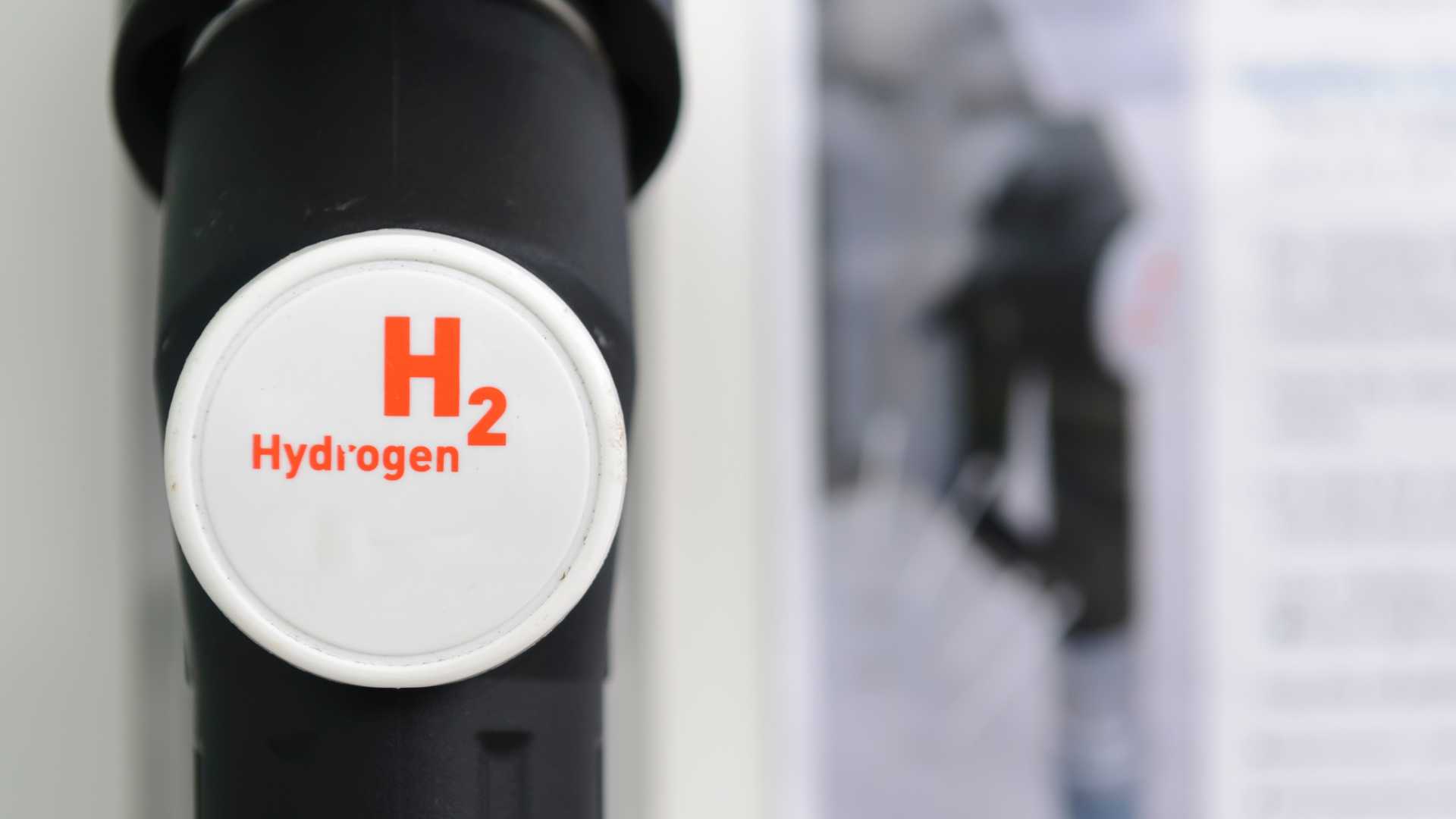


This patent, assigned to NEL Hydrogen, outlines a hydrogen refueling station system. The invention revolves around an assembly of heaters, an ejector, and a storage tank, all interconnected to enhance the refueling process of hydrogen-powered vehicles.
The distinctive feature of this hydrogen refueling station is the use of an ejector with dual inlets, coupled with a series of heaters and a controlled valve system. The ejector can receive gaseous hydrogen from one heater while simultaneously evacuating gaseous hydrogen from another heater. This dual action not only streamlines the process but also improves the efficiency and speed of hydrogen refueling, addressing a critical bottleneck in current hydrogen refueling technology.
Potential Applications
This innovation is primarily targeted at hydrogen refueling stations, pivotal for supporting hydrogen fuel cell vehicles. As the world pivots towards greener energy, the ability to quickly and efficiently refuel hydrogen vehicles is crucial. This technology could also extend to industrial applications where hydrogen is used as a fuel or a chemical feedstock.
Traditional hydrogen refueling stations often suffer from extended refueling times and inefficiencies due to single-action input/output systems in their heaters and gas conduits. In contrast, NEL Hydrogen’s dual-action ejector system significantly outperforms by enabling continuous operations on multiple heaters. This not only quickens refueling but also optimizes the use of stored liquid hydrogen, making the entire system more reliable and capable of handling higher throughput.
Add EnergyNews.biz as a preferred source on Google


