


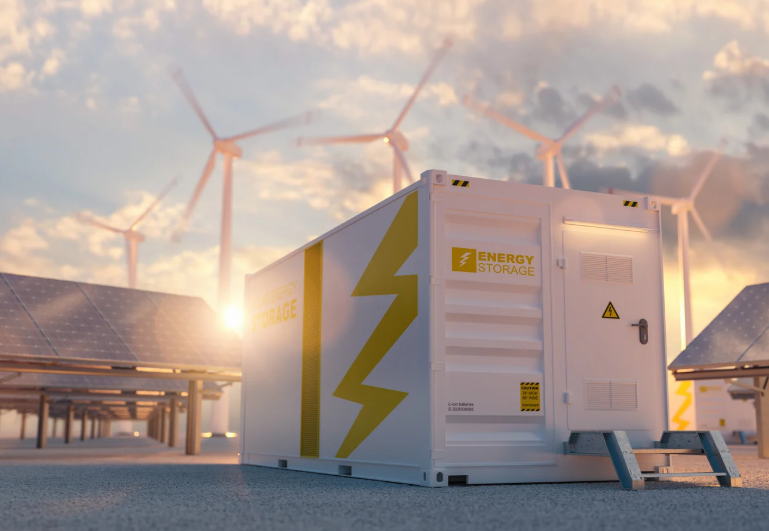


Jinko ESS has signed a strategic cooperation agreement to deploy a 1 GWh portfolio of battery energy storage projects across the region, focused primarily on grid-side and utility-scale applications.
The scale of the portfolio reflects a broader regional trend. As solar and wind capacity expands, particularly in markets such as Brazil and Chile, system operators are facing rising variability in generation profiles. Without sufficient storage or flexible capacity, this intermittency translates into curtailment, price volatility, and grid stability challenges. Utility-scale battery systems are increasingly being procured to address these issues by shifting excess generation to peak demand periods and providing ancillary services such as frequency regulation.
The projects under the agreement are expected to deploy the SunTera G3 6.25 MWh system, designed to balance energy density, safety, and lifecycle economics. The system’s architecture incorporates multi-layered safety mechanisms, including cell-level protections, gas detection, and AI-based early warning systems. While such features are becoming standard across next-generation storage solutions, their practical effectiveness depends on integration within broader grid management systems and operational protocols.
From a capacity standpoint, the 6.25 MWh modular configuration allows for scaling to utility-level installations, aligning with the needs of large grid-connected projects. However, the choice of system size also indicates a focus on mid-duration storage, typically suited for intra-day balancing rather than long-duration applications. This raises questions about how effectively such systems can address extended periods of low renewable output, a challenge that becomes more pronounced as renewable penetration increases.
Economic performance remains a central factor in storage deployment decisions. Jinko ESS claims that lifecycle optimization of the SunTera G3 system can improve project returns by approximately 5.8 percent while reducing operation and maintenance costs. While incremental efficiency gains are relevant in competitive procurement environments, the absence of standardized benchmarks makes it difficult to assess how these improvements compare across competing technologies and suppliers.
The agreement also highlights the growing importance of localization strategies in energy infrastructure development. Latin American markets present a mix of regulatory environments, grid conditions, and demand profiles, requiring tailored project development approaches. Companies entering the region must balance global technology deployment with local execution capabilities, particularly in areas such as permitting, grid integration, and long-term asset management.
At a system level, the expansion of grid-side storage aligns with broader efforts to modernize electricity networks in emerging markets. However, storage alone does not resolve underlying structural issues such as transmission constraints, market design limitations, and regulatory uncertainty. Without parallel investment in grid infrastructure and clear frameworks for valuing flexibility services, the full system benefits of battery deployment may not be realized.
Add EnergyNews.biz as a preferred source on Google


